

Blog
What Matters Most When Choosing a Drug and Alcohol Rehab Program

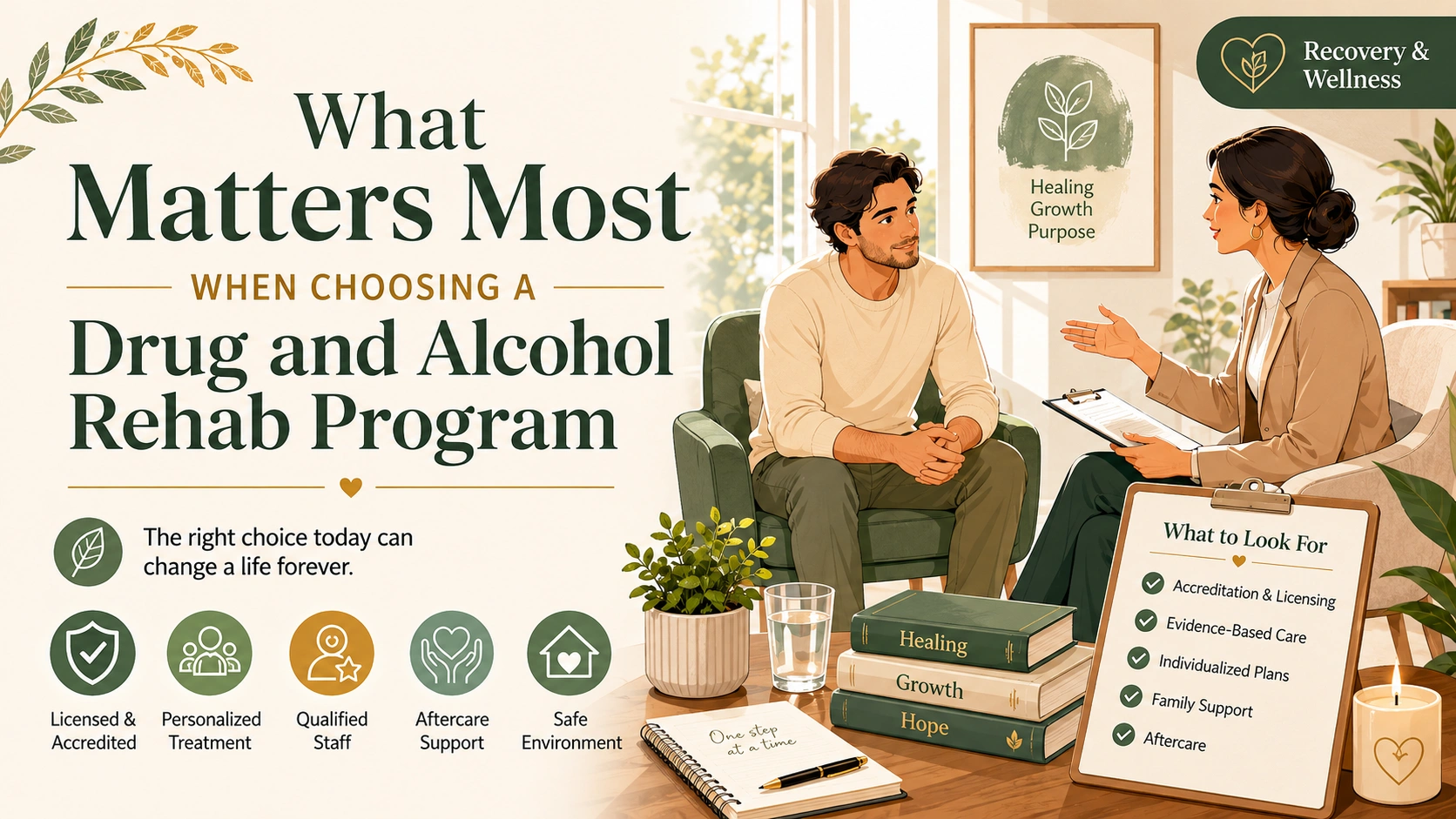
What Is the Most Important When Selecting a Drug and Alcohol Rehab Program Knowing where to turn for help with substance addiction might be difficult. Every webpage says the same thing. Each center offers help, healing and a new beginning. Eventually the flashy brochures don’t matter and the practical questions take over, will this facility really help? Will you be secure there? Will the program fit your life, or will it try to squeeze you into somebody else’s idea of recovery
Positive lifestyle treatment emphasises more than simply abstinence from substances, but the process of recreating everyday routines, physical health, emotional stability and self confidence. That distinction is more important than people realise. But recovery isn’t only about taking something bad away. It is also about making a life that you want to protect afterwards.
Program structure
One of the first things to look at is the daily organization of the program. Some of the facilities are very focused on rigid scheduling and therapeutic therapy. Others add more freedom to the experience—fitness classes, nutrition guidance, mindfulness work, outdoor activities, family counselling. Neither technique is inherently superior.
- The important thing is if the structure feels in balance and not too stiff or messy. Structure helps patients get back on their feet, especially early on when feelings and energy fluctuate quickly. And at the same time, nobody wants to feel like they signed up for a summer camp supervised by a drill sergeant with a clipboard and no personality.
- Physical health is a thing to be aware of here too. Many patients coming into treatment are already struggling with fatigue, poor sleep, chronic stress or nutritional deficiencies that have been brewing quietly for years. Some programs cover topics directly; others merely touch on them. The effect of substance usage on physical health typically surpasses what people anticipate when they walk in the door.
Treatment Options
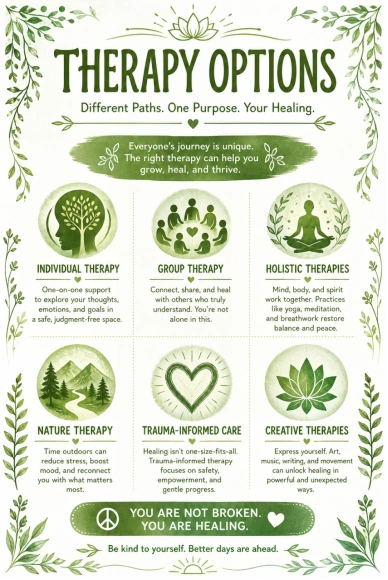
There is no one right approach to do treatment. One person might really resonate with cognitive behavioural therapy, while another person might find more value in trauma-focused care, group sessions, or movement-based modalities. The best programs don’t treat everyone the same — which sounds logical until you realise how many facilities still operate under a one-size-fits-all model.
It’s also helpful to ask if the sessions are led by licensed specialists and if mental health care accompanies the addiction hurts your physical health treatment. Substance use often goes hand-in-hand with anxiety, depression, unresolved trauma and chronic stress. Disregarding those issues is a little like mending a leaking roof and pretending there is no storm outside.
In other situations, family involvement can also matter. Some programs include counselling sessions for loved ones, communication workshops or educational materials to rebuild trust over time. That support can be especially helpful once treatment finishes, when the day-to-day reality of staying in recovery hits home.
Picking the appropriate fit
Sometimes people don’t accept that location matters more. For some, being close to home means stability and easy access to family support. For some people, it’s only when they are away from their normal surroundings – and the stresses that go with them – that they can concentrate. That is why when you’re looking at rehab centers in Parkersburg WV, Miami FL or anywhere else, finding the right fit for your needs is essential because recovery experiences are deeply personal. A flashy location alone does not guarantee quality care, and a smaller center without luxury branding may still provide excellent support.
That’s why when you’re looking at rehab programs in Parkersburg WV, Miami FL or elsewhere, the fit matters more than the address. A fancy place isn’t necessarily good care, and a smaller center without the luxury branding can nevertheless provide great support.
- The environment is important too. Some facilities are more clinical. Others create a more soothing environment, focusing on lifestyle, with more emphasis on wellness routines and creating habits for the long run.
- Ask realistic questions: what is a typical day like Does it contain any one-on-one therapy Relapse prevention is discussed in a practical way. Programs that give clear answers to those issues tend to generate more confidence than organisations that rely on marketing language and manufactured photographs of people smiling at salads.
Post treatment support
One of the most ignored aspects of the entire process is what happens after discharge. It is important to finish a program, but it can be quite difficult to return to normal life. Routines are back. Responsibilities crowd in. Old triggers might still be around.
Strong aftercare planning helps address that gap. Some programs provide alumni networks, virtual counselling, sober living guidelines, job support or continuous therapy referrals—resources that help patients sustain momentum rather than feeling cut off the moment formal treatment concludes.
Positive living habits start to show their worth in a tangible sense here, too. Exercise, better sleep, scheduled days. These sound simple, and they are. But nothing more dramatic truly equals the stability they tend to produce in stressful circumstances. One life-changing speech doesn’t build recovery. It’s a series of minor decisions, again and over.
It is worth listening to programs that speak realistically about setbacks. Recovery is not a straight line, and programs that act like it is may not be preparing people properly for what actually happens when they leave.
Environment and comfort
Clean facilities, pleasant lodgings, access to outdoor areas, good meals, respectful personnel – these aspects impact the treatment experience more than most people expect coming in. That doesn’t mean someone needs a luxurious resort with cucumber water next to an infinity pool. Recovery is not a spa commercial. Basic comfort and dignity still count, after all, and feeling protected and appreciated helps keep the focus on the real work.
Many people also benefit from programs that assist people re-build identities outside of substance use. Creative hobbies, physical activity, educational programs, volunteering, goal setting – all of these enable individuals to reconnect with interests and strengths that they may have lost sight of over time. This tends to be highlighted with a positive lifestyle perspective which moves the focus from labelling people with their difficulties to designing routines and relationships that facilitate long term wellbeing.