

Blog
How To Choose the Right Mental Health Rehab Program for Lasting Support

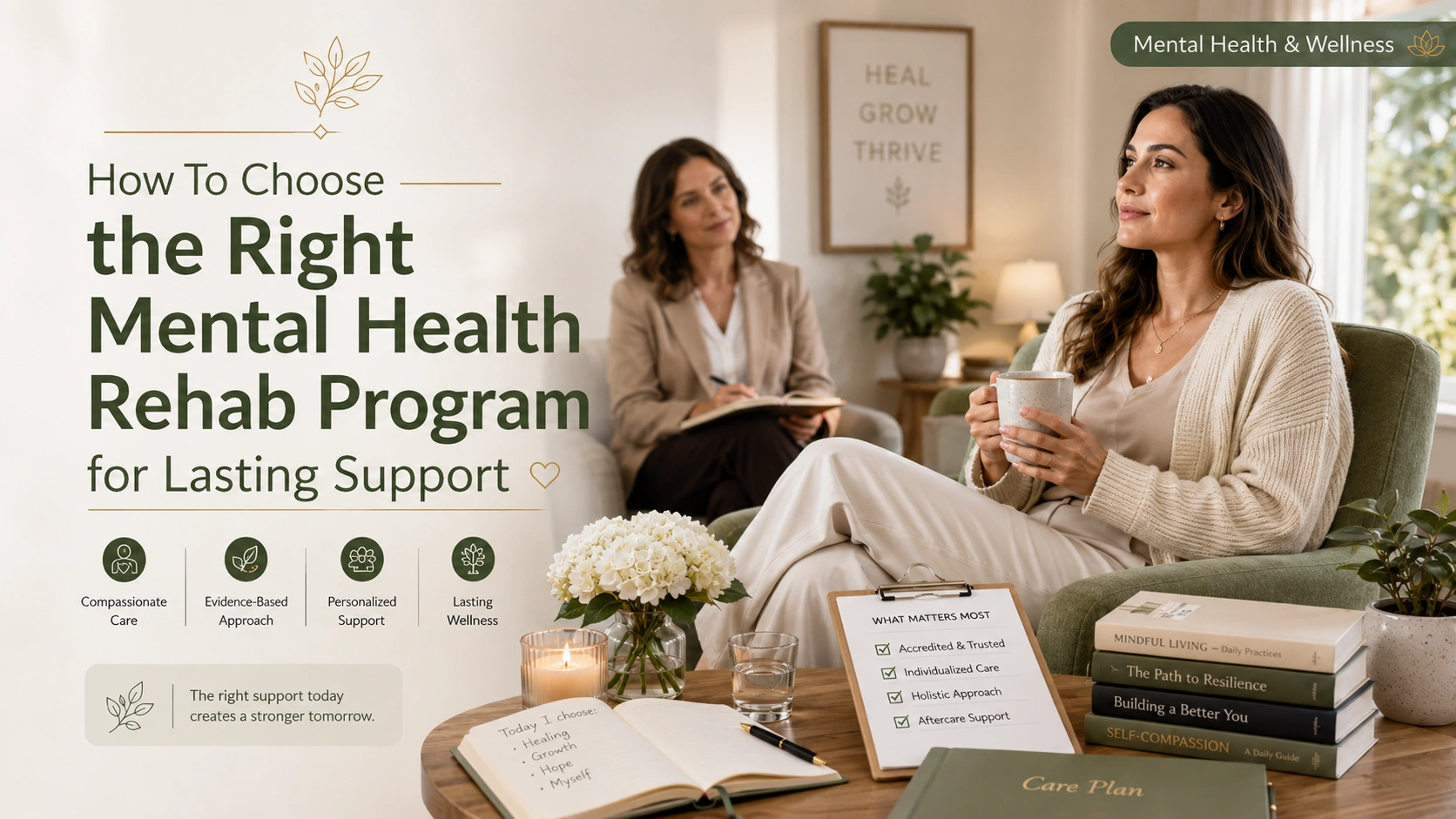
Finding mental health therapy can quickly become overwhelming. All websites guarantee compassionate care, personalised care plans and life changing support. It all starts to sound like the same brochure, written by the same person in a beige cardigan. The truth is, not every program is for everyone and the incorrect setting can leave a person feeling disappointed before therapy has even started. Having a sense of what to look for – beyond the slick marketing speak – makes a huge difference.
Flexible therapy
The first thing to look at is how flexible the program actually is. Some need inpatient treatment with 24/7 support. Others need outpatient care that allows them to continue working, parenting or going to school. Programs that offer only one rigorous path sometimes struggle to serve people whose lives don’t fit neatly into that path.
- Many people begin with a virtual intensive outpatient program, such as a Tennessee, D.C., or California virtual IOP, because it provides therapy, psychiatric assistance, and structured treatment from the comfort of home without needing a person to entirely remove themselves from their everyday obligations. That didn’t really exist in a significant form 10 years ago, and it’s really impacted what’s available for a lot of people.
- Good programs also clarify how treatment unfolds. Patients should know what a normal week looks like, how therapy sessions are set up and what type of support is there for the hard times. Pay attention if a program relies largely on vague claims and dodges specifics when questioned.
Clinical staff with a licence

Credentials are more important than attractive waiting rooms. A facility can have lovely furnishings, filtered water stations, and enough eucalyptus decor to look like a health resort — but strong clinical staffing is what really matters. Search for programs that utilise certified therapists, psychiatrists, psychiatric nurse practitioners and case managers who have experience. Therapy alone may not be enough to manage medications, trauma responses, or co-occurring issues like substance use, thus mental health treatment typically involves a combination of supports working together.
And transparency about staff experience important too. Who is in charge of treatment plans? How often do patients see their doctors? If a rehab facility can’t answer those questions properly then it may not be the quality of treatment they are looking for.
It is helpful to ask how crises are managed. mindfulness in mental health treatment isn’t necessarily a linear process. Programs must have clear safety precautions and access to emergency mental help if needed. “Nobody wants to realise the emergency protocol is a receptionist handing you a clipboard.
Research-based techniques
Online mental health trends are moving fast. One week everyone is raving about dopamine detoxes, the next week social media says sipping chlorophyll water at sunrise would heal emotional fatigue. Good programs are based on evidence-based care, not on what’s trendy.
Strong rehabs often employ therapies such as cognitive behavioural therapy, dialectical behaviour therapy, trauma-focused therapies, and group counselling, all of which have years of clinical research backing them and help individuals develop practical coping skills.
- Progress tracking is very important here. Good care entails regular re-evaluation and change if something isn’t working. Mental health treatment is very individual but there needs to be a clear framework around it and not just a series of loosely organised sessions.
- When used wisely, holistic support can be an added asset to all of this. Clinical treatment is not to be replaced by nutrition advice, exercise, art therapy, stress management approaches, etc. Mindfulness is another area where more institutions are beginning to include structured meditation. When used alongside clinical care, not as a cure on its own, it can be a helpful long-term aid.
Family & Community
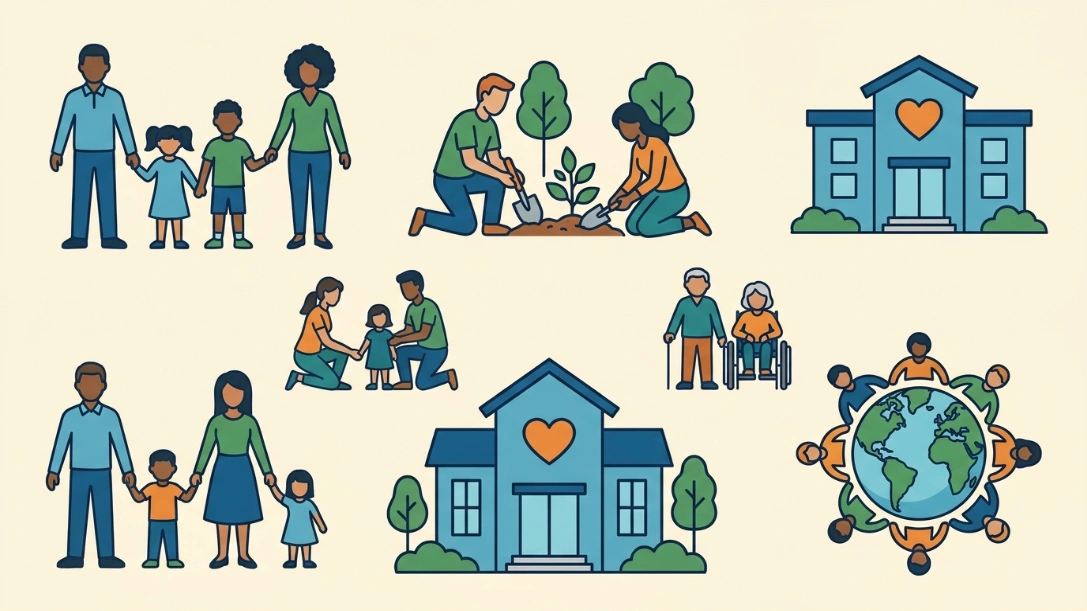
Even messy relationships rarely allow recovery to happen in a vacuum. “Family education or family support opportunities when appropriate is part of a quality program — but that looks different depending on the person’s situation.
Not everyone has safe or healthy family dynamics to add to the mix. “Strong programs acknowledge that and help patients find realistic support systems rather than assuming family participation is automatically a good thing.
Community support after treatment ends matters as much. Enquire about alumni groups from the rehab, recommendations for follow-up therapy, peer support options, or discharge planning.
Disorientation Leaving organised therapy can be unsettling, especially during the first few weeks on the road back to normal activities. Programs that focus primarily on short-term stabilisation and don’t have a plan for what’s ahead likely to leave patients underprepared.
Culture and environment
The atmosphere of a rehab program affects treatment far more than most realise. Some workplaces feel too clinical and frigid. Some go so far into health branding they feel like a social media retreat instead than true medical care. Neither is much of a help. A good program should feel respectful, organised and emotionally safe. Staff should be good communicators and treat patients as persons, not simply paper work. If an admissions team is pressuring you to enrol before they’ve answered thorough enquiries, that’s a red flag worth noting.
See how a facility communicates about mental health. Stay away from programs that rely on shame, fear, or hyperbole. Ethical treatment organisations know that growth takes time and setbacks are not failures.