
Blog
Simple Ways To Help Young Children Become More Independent

Young children often want to do things for themselves long before they have mastered the skills needed to do them successfully. A child may insist on dressing independently, carrying their own belongings, or helping prepare a meal. These attempts can sometimes make everyday routines slower, but they also provide valuable opportunities for children to practise practical skills.
Independence develops gradually through repeated experiences. Children learn by making choices, attempting unfamiliar tasks, solving small problems, and taking responsibility for activities that are appropriate for their age. Parents and educators can support this process by providing encouragement without expecting children to manage tasks beyond their abilities.
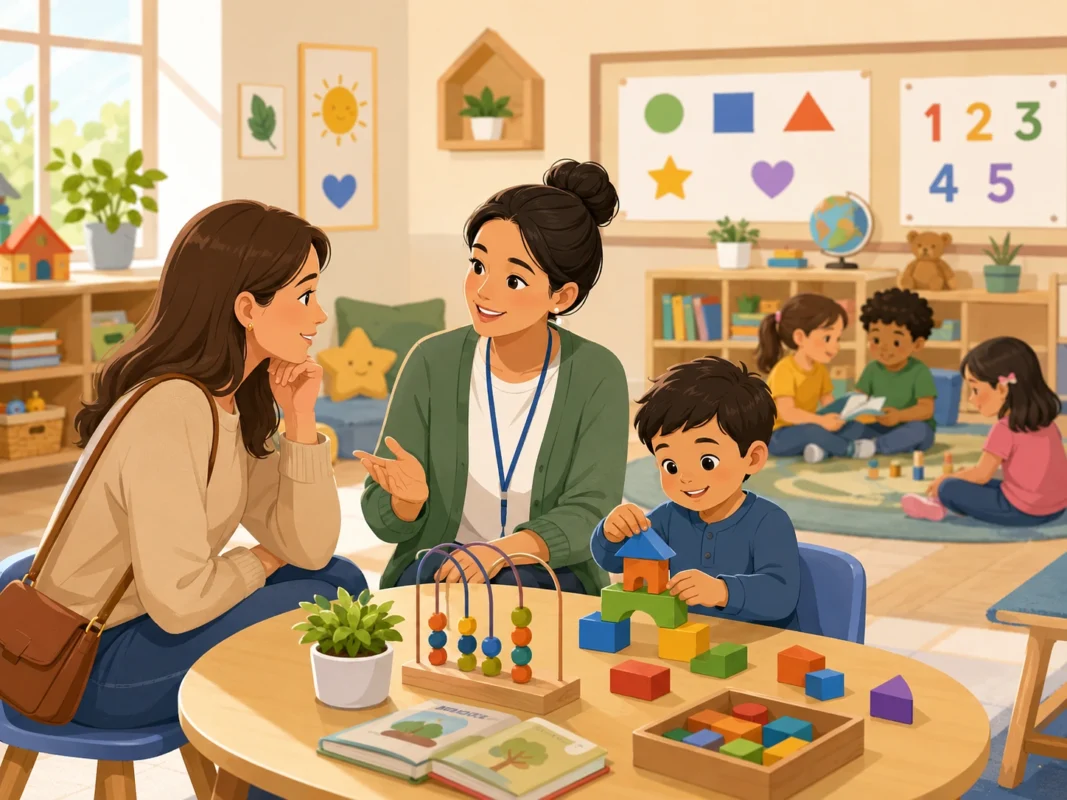
Early learning environments can also provide valuable opportunities for developing self-help skills. Centres offering child care Belfield can give children structured opportunities to participate in routines, make simple choices and practise everyday responsibilities alongside other children.
Encourage Children To Dress Themselves
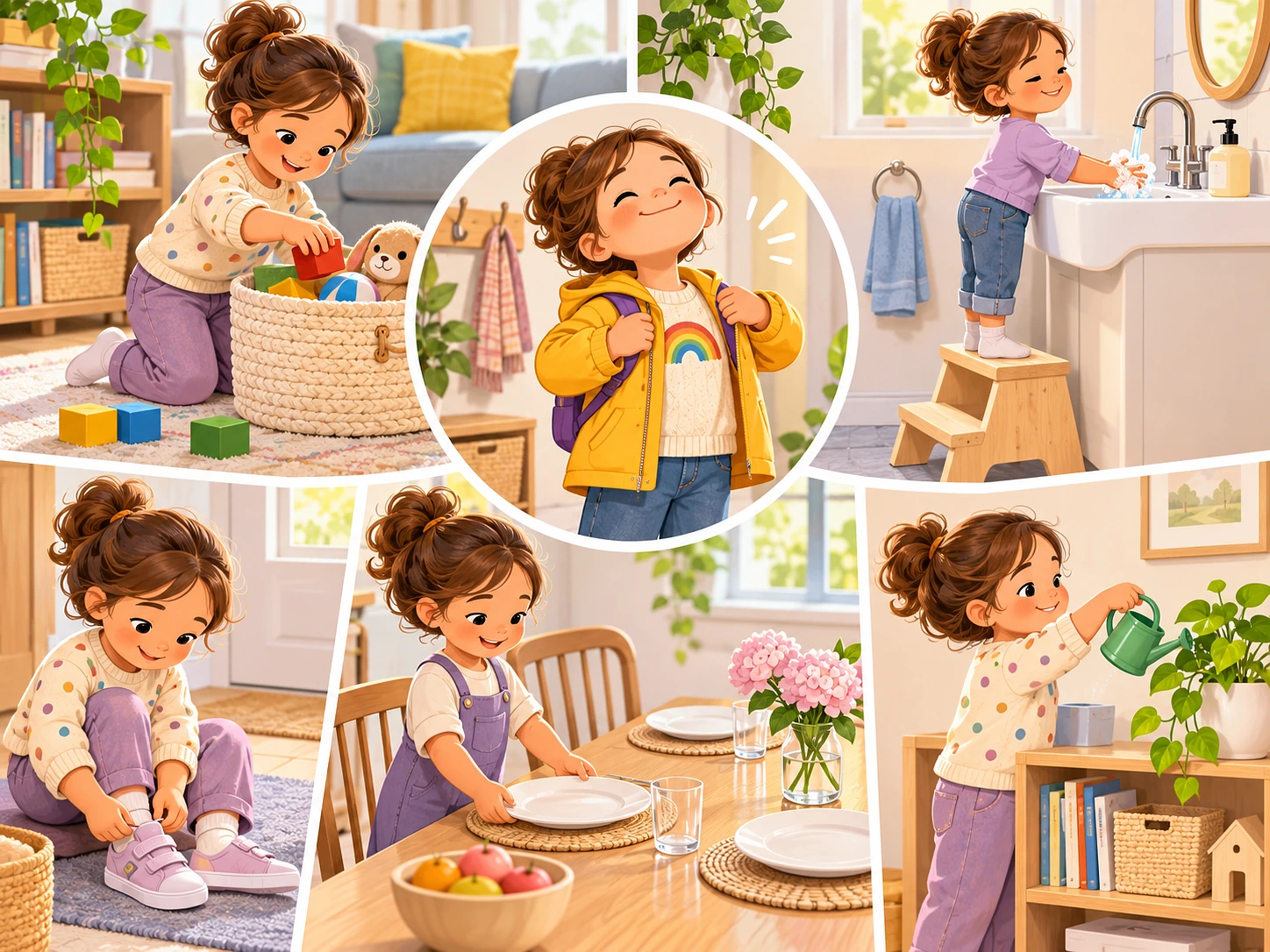
Getting dressed provides a natural opportunity for children to practise coordination and decision-making. Young children can begin with simple actions such as pulling up trousers, putting their arms through sleeves, or choosing between two suitable outfits.
- As their abilities develop, they may become ready to practise socks, shoes, buttons, zips, and other parts of getting dressed. Allowing extra time in the morning can make these attempts easier because children are less likely to feel rushed.
- The goal is not to expect a child to complete every step perfectly. Learning to dress independently takes practice, and occasional assistance is still appropriate when a child becomes tired or frustrated.
Give Children A Role At Mealtimes
Mealtimes can involve many simple tasks that help children practise coordination and responsibility. Depending on their age, a child may help carry an unbreakable plate, use their own spoon, pour water from a small container, or help clean up after eating.
Messy moments are part of the learning process. A spilled drink or dropped utensil does not mean the activity has failed; it gives the child another opportunity to practise.
Tasks involving hot surfaces, sharp objects, or other hazards should remain under appropriate adult supervision. Children can participate without being given responsibilities that are unsuitable for their age.
Introduce Small Household Tasks
Children often enjoy being involved in activities that adults do every day. Giving them small responsibilities can help them understand that they are capable of contributing to family life.
A young child might put toys into a storage basket, return books to a shelf, place dirty clothes in a laundry basket, or help match socks. Older children may gradually take on more complicated tasks as their skills develop.
Keep instructions simple and specific. Asking a child to put their toys into one basket is usually easier to understand than giving them a broad instruction to clean an entire room.
Give Children Time To Play Independently
Independent play gives children space to make decisions without an adult directing every part of the activity. Blocks, puzzles, drawing materials, books, and pretend-play activities can encourage children to create their own ideas and work through simple challenges.
- Some children naturally spend longer periods playing independently, while others prefer having an adult nearby. There is no need to force a particular amount of independent play.
- Parents can remain available while allowing the child to decide what to do next. This balance gives children reassurance while still allowing them to practise making their own choices.
Offer Simple Choices
Giving children limited choices can help them practise decision-making. Rather than asking an open-ended question with too many possibilities, offer two options that are both acceptable.
For example, a child might choose between two shirts, two books, or two suitable activities. The choices should remain within boundaries that the adult is comfortable with.
Small decisions can help children develop confidence in their judgement, while also teaching them that their choices can have practical consequences.
Let Children Attempt Small Problems
Adults often want to step in as soon as a child struggles. However, allowing a child a little time to think can provide an opportunity to develop problem-solving skills.
If a puzzle piece does not fit, ask what they might try next instead of immediately showing them the answer. If a toy is difficult to assemble, encourage them to look at the pieces and consider another approach.
There is a difference between allowing a child to work through a manageable challenge and leaving them to cope with overwhelming frustration. Offer support when necessary and adjust the task if it is beyond their current ability.
Use Everyday Routines To Build Skills
Regular routines give children repeated opportunities to practise the same tasks. A morning routine might include getting dressed, eating breakfast, brushing teeth, and preparing a bag.
Young children may benefit from pictures showing the order of activities. Over time, they can begin completing familiar steps with fewer reminders.
Routines should remain flexible. Children may need additional help when they are tired, sick, upset, or adjusting to a change in their normal schedule.
Encourage Responsibility For Personal Belongings
Children can gradually learn to look after their own belongings. Simple habits might include returning toys after playing, placing shoes in the usual location, or putting a school bag in its designated place.
These tasks may seem small, but repeated practice helps children understand responsibility and organisation.
Expectations should match the child’s age and development. The purpose is to create opportunities for participation rather than demand adult-level organisation from a young child.
Allow Extra Time For Learning
Independence often takes longer than doing a task for a child. A child putting on shoes may take several minutes when an adult could complete the same job quickly.
- Whenever possible, allow additional time for children to practise. This can be particularly helpful during routines that are not immediately time-sensitive.
- When there is no time available, it is reasonable for an adult to help. Independence does not require children to complete every task themselves every time.
Focus On Effort Instead Of Perfection
Children develop skills at different rates. One child may eagerly attempt new tasks, while another may need to watch several times before trying.
Specific encouragement can make effort more meaningful than general praise. Saying, “You kept trying even when the zip was difficult,” tells the child exactly what they did well.
Mistakes should be treated as a normal part of learning. When children understand that mistakes are manageable, they may become more willing to attempt unfamiliar activities.
Create A Safe Environment For Independence
Children need an environment where they can practise without unnecessary hazards. Frequently used belongings can be placed where children can reach them safely, while dangerous items should remain inaccessible.
Child-sized utensils, low storage baskets, suitable clothing fasteners, and clearly organised spaces can make everyday tasks easier.
Safety boundaries should remain clear. Independence does not mean allowing children to handle electrical equipment, hot appliances, sharp tools, medicines, or other hazardous items without appropriate adult supervision.
Build Skills Through Repetition
Children usually need many opportunities before a new skill becomes familiar. A child may need repeated practice before managing shoes, organising toys, or following a morning routine without help.
- Consistent opportunities are more useful than expecting immediate progress. If a task is introduced gradually and practised regularly, children can become more comfortable with it over time.
- The level of assistance can also change as the child improves. An adult might demonstrate a task initially, provide help during the next attempts, and eventually allow the child to complete it independently.
Support Independence Without Pressure
The purpose of encouraging independence is to help children develop confidence and practical abilities, not to make them responsible for everything. Children still need adults for guidance, reassurance, safety, and emotional support. Providing appropriate help does not prevent independence; knowing when to step in is part of supporting healthy development.
By giving young children manageable responsibilities, allowing them to make simple choices, and giving them opportunities to try things themselves, adults can help build skills that become increasingly useful as children grow.