
Blog
How to Reduce Waste When Replacing Old Electrical or Plumbing Systems

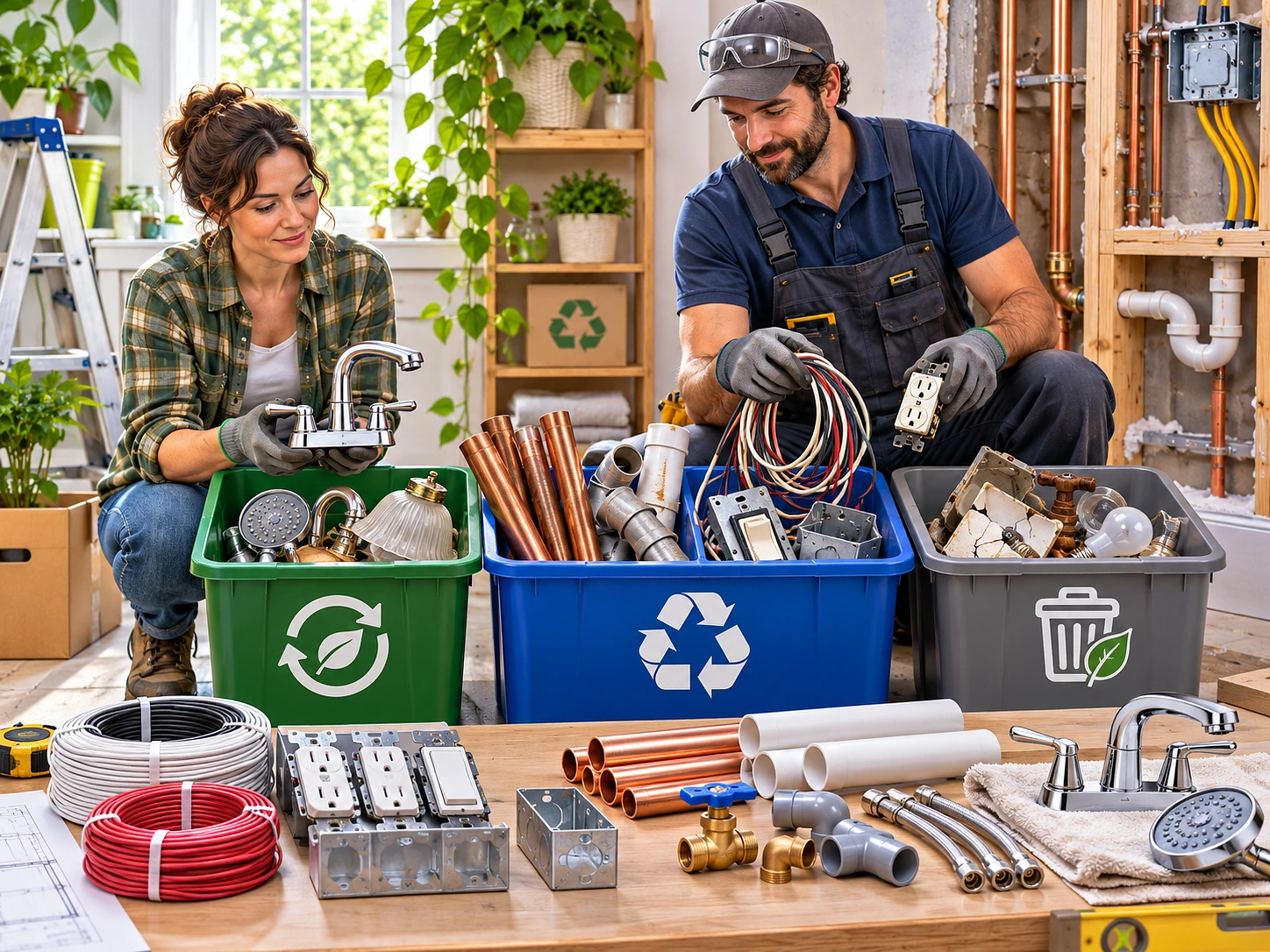
Renovating the electrical or plumbing systems in an older property can produce much more waste than expected. Pipes, cables, fittings, taps, valves, brackets and other components may all be removed before the new installation is completed.
Much of this material does not necessarily belong in general rubbish. Metals such as copper, brass, aluminium and steel can often be recovered, while some fixtures may still have practical value. Planning how these materials will be handled before work begins can make a renovation cleaner, safer and less wasteful.
Start With A Clear Removal Plan
Before demolition starts, identify which parts of the existing system actually need to be removed. An electrician or plumber can assess the installation and determine whether components need replacement because of damage, age, performance, layout changes or current requirements.
Removing everything without an assessment can create unnecessary waste and increase labour and disposal costs. A planned approach makes it easier to separate materials as they come out rather than attempting to sort a large mixed pile at the end of the project.
Keep Copper Separate
Copper is commonly found in electrical cables, plumbing pipes and various fittings. Because it is a valuable recyclable metal, keeping it separate from general construction waste can make recovery easier.
- For larger renovation projects, working with a specialist such as a company offering copper recycling Sydney can provide a practical option for handling suitable copper materials.
- Copper should be kept as clean as reasonably possible and separated from unrelated rubbish. Recycling requirements can vary between facilities, so confirm what materials are accepted before arranging collection.
Sort Electrical Cables Carefully
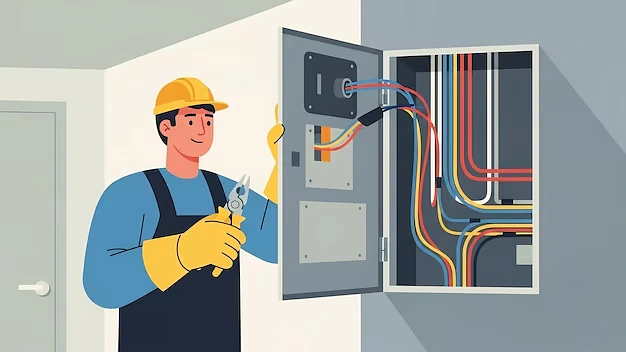
Old electrical cables can contain recoverable copper or aluminium, but they should not be handled casually during demolition. Fixed electrical wiring must first be safely disconnected and isolated by an appropriately qualified professional. Once removed and confirmed safe to handle, suitable cable can be separated for recycling.
Do not burn cable insulation to recover metal. Burning can create harmful fumes and is not an appropriate recycling method.
Specialist recycling facilities have proper processes for separating metals from insulation.
Separate Plumbing Materials
Plumbing renovations can generate a mixture of copper pipes, brass fittings, steel components, plastic pipes and other materials. Keeping these categories separate can make recycling and disposal more straightforward.
Copper pipes should not simply be mixed with broken tiles, timber, plasterboard and other demolition debris if they can be recovered separately.
Plastic plumbing materials may have different recycling requirements from metals, so check with the local facility or waste contractor before placing them in a recycling container.
Look For Items That Can Be Reused
Not every removed component has to become scrap. A good-quality sink, tap, valve, light fitting or other fixture may still be usable if it is in suitable condition. Some items can be donated, reused elsewhere or sold rather than discarded.
Electrical items should be assessed for safety before reuse, while plumbing fixtures need to be suitable for their intended application and installation requirements. Damaged or unsafe components should not be reused simply to avoid waste.
Be Careful With Older Installations
Older buildings can contain materials that require specialist handling. Depending on the property’s age and construction, renovation work may uncover lead, asbestos-containing materials or other hazardous substances.
- Older electrical and plumbing installations can require additional care when materials are removed or disturbed.
- If an unfamiliar material is discovered, avoid breaking, cutting or dismantling it simply to recover metal. Stop work in the affected area and obtain appropriate professional advice before continuing.
Protect Recyclable Materials From Contamination
Recyclable materials can lose value or become harder to process when mixed with other renovation waste. For example, copper pipe covered with excessive debris, sealants or other materials may require additional processing. Keeping recyclable materials in dedicated containers as they are removed helps prevent contamination.
Clearly labelled containers can be useful on smaller projects, while larger renovations may benefit from separate collection bins for different waste streams.
Plan Waste Collection Before Demolition
Waste management should be discussed before renovation work begins rather than after the project is underway. Ask the contractor how removed electrical and plumbing materials will be handled. If a recycling company is involved, confirm what materials it accepts and whether collection is available.
Having a designated place for recyclable metals also prevents them from being accidentally placed into general demolition waste.
Choose Durable Replacement Systems
Reducing waste also means thinking about what goes into the property after the old materials are removed. Discuss the expected service life, maintenance requirements and suitability of replacement pipes, cables, fittings and fixtures with the relevant professional.
Choosing appropriate materials and installing them correctly can reduce the likelihood of premature failures and future replacement work.
The cheapest option at installation is not always the least expensive over the life of the system.
Avoid Unnecessary Demolition
Some renovations become waste-heavy because more of the existing structure is removed than necessary. Where practical, the new electrical or plumbing layout can be designed around suitable existing components rather than automatically replacing every accessible section.
Whether this is appropriate depends on the condition and requirements of the installation and should be determined by a qualified professional. Keeping suitable components can reduce material use, labour and disposal requirements.
Keep Safety Ahead Of Recycling
Recycling is valuable, but it should never take priority over electrical or plumbing safety. Homeowners should not disconnect live wiring, cut unknown cables, dismantle potentially hazardous equipment or interfere with pressurised plumbing simply to recover materials.
- Qualified tradespeople should handle work that requires professional knowledge or authorisation.
- Once materials have been safely removed, recycling and reuse can be organised without creating unnecessary risks.
A More Responsible Renovation Process
Electrical and plumbing upgrades can produce significant quantities of waste, but careful planning can reduce how much ends up in landfill. Separate copper, brass, aluminium, steel, suitable plastics and reusable fixtures where possible. Arrange safe removal of electrical systems, identify potentially hazardous materials early, and work with appropriate recycling facilities.
A renovation does not have to treat every removed component as rubbish. With a clear waste plan and professional handling, useful materials can be recovered while the new electrical and plumbing systems are installed safely and efficiently.