

Blog
Why Integrated Mental Health Care Improves Long Term Addiction Recovery Outcomes

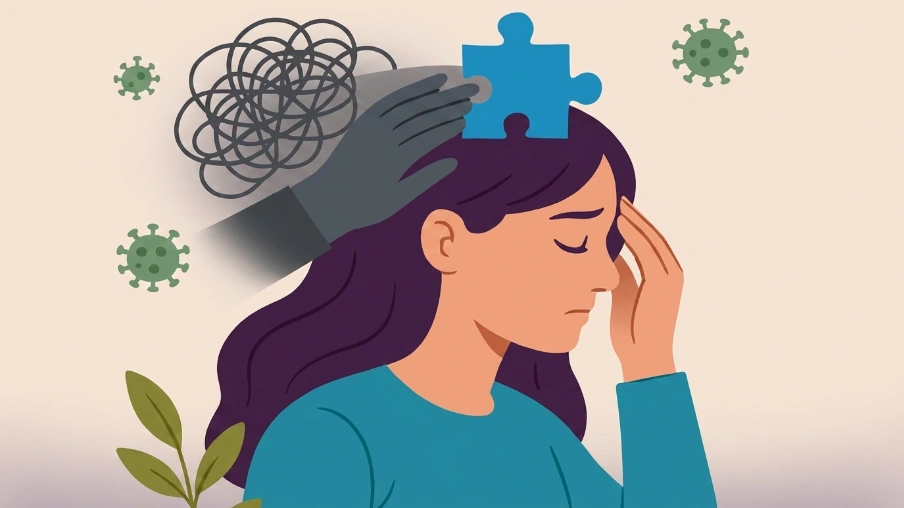
A vacuum is not conducive to addiction recovery. Beneath the surface are often mental health problems, chronic stress, unresolved trauma, burnout, anxiety, despair, and social isolation. In some treatment facilities, mental health treatment is separated from addiction treatment, and individuals may feel like they are only getting half of the treatment. This gap contributes to the depressing stats on relapse rates throughout the country.
- Includes the Interconnected Root Causes: Substance use issues and mental health disorders go hand in hand. These can be triggers for relapse if depression and anxiety are not treated.
- Breaks the Cycle of Self-Medication: Self-medication is the use of drugs to treat mental health symptoms and users will continue to do so until their mental health issues are addressed by a professional.
- Unified Coping Skills: Consistent and related coping skills are provided, including cognitive behavioral therapy (CBT) and motivational interviewing (MI), to meet the emotional triggers and substance cravings.
- Eliminates Systemic Fatigue: Patients do not need to follow multiple treatment plans since they are treated by one multidisciplinary team. This helps to avoid over-stimulation of the emotional system by repeating the same horrific story to several caregivers.
- Facilitates Better Medication Management: Careful monitoring by integrated teams ensures that medications used for medication assisted treatment (MAT), any other treatment for addiction, and psychiatric medications do not interact adversely, and they are carefully prescribed during recovery.
The Deep Connection Between Mental Health and Addiction
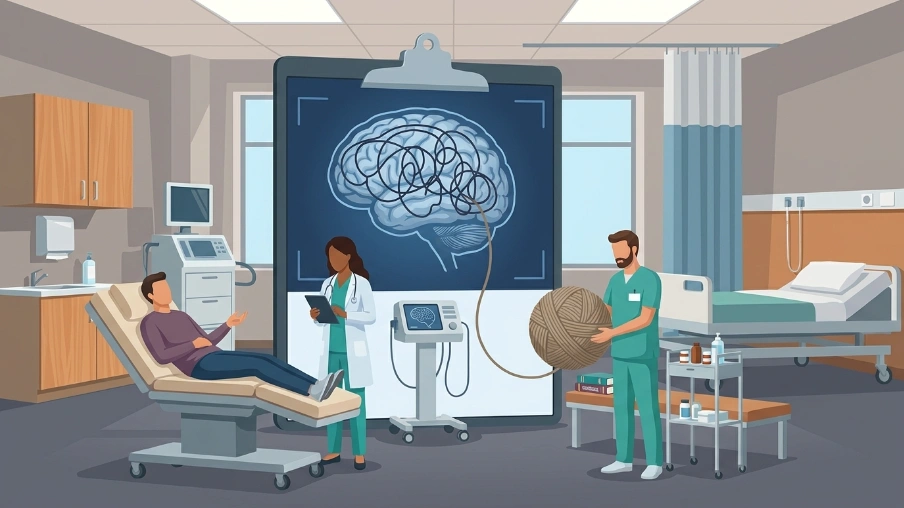
Addiction treatment programs for decades have mostly been centered on abstaining from drugs and alcohol. Of course, sobriety is the ultimate objective, but many health specialists now understand that many issues of mental health often are the primary root cause of the cycle of addiction. Unhealthy coping behaviors can be fueled by anxiety disorders, depression, PTSD, grief and chronic emotional stress.
Integrated treatment programs are different as both the conditions are treated simultaneously. What is recognised is that addiction can be seen as a co-occurring condition and that this will be evaluated alongside other factors such as emotional triggers, behaviour patterns, sleep quality, relationships, stress management, as well as physical health.
Why Treating One Condition at a Time Fails
Sequential treatment – first treat the drug, and then return to mental health – seems like a logical approach. In reality, it has been proven to let down the very people it wants to assist.
Sequential treatment – treating substance use disorder first and then mental health – can be unsuccessful, as untreated mental health symptoms may drive relapse. Also, untreated substance abuse can cause mental health symptoms to be hidden or exacerbated.
This two is so interwoven that one can’t be stabilized whilst the other keeps destabilizing the person’s neurological and emotional set point.
The Role of Environment in Healing

Many people don’t know how much environment and place can make a difference in the healing process. It can be more challenging to maintain early recovery in harsh environments, busy lifestyles and continued exposure to unhealthy habits. This is why many prefer to seek out travel for therapy, instead of staying close to home.
Today, people that want to be treated in a luxurious setting with seclusion and a more restorative environment are attracted to the luxury mental health clinics in California, Hawaii, or other beautiful areas.
In these facilities, evidence-based therapeutic interventions often are integrated with wellness-based programs such as exercise programs, dietary counseling, mindfulness training, outdoor activities, and individual mental health care plans.
Building a Life That Supports Long Term Recovery
Assuming that rehabilitation ceases when a program is finished is one of the most common mistakes people make following therapy. In actuality, the hardest effort usually starts with the return to daily life. For someone who lacks structure and support, returning to work constraints, troubled relationships, financial stress, or harmful social situations can rapidly become too much to handle.
Many clinicians now emphasize practical tips for staying sober that extend beyond avoiding substances themselves.
Building healthy routines, prioritizing sleep, reducing isolation, setting boundaries, managing stress realistically, and maintaining regular therapy appointments all help strengthen long term stability. Social support also matters enormously because recovery becomes much harder when someone feels disconnected or unsupported.
Physical Health as a Foundation for Recovery
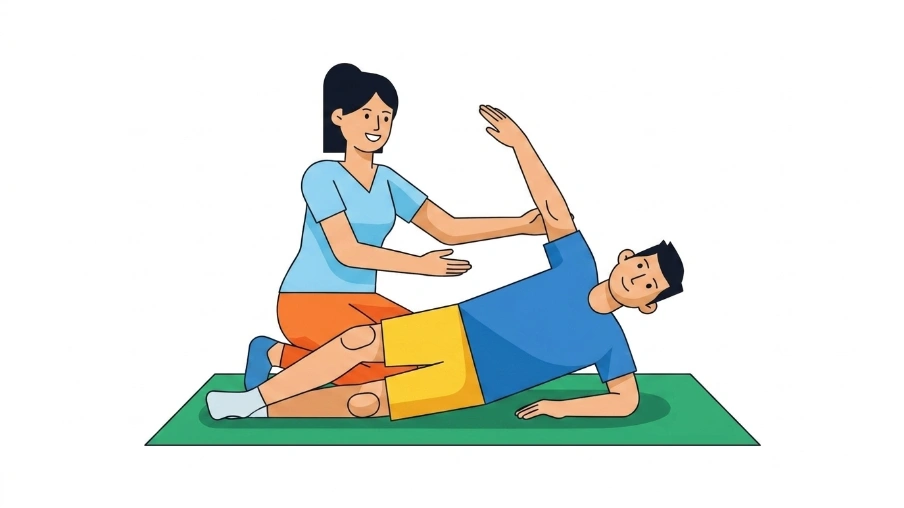
During addiction rehabilitation, the relationship between mental and physical health becomes indisputable. Hormonal imbalances, chronic inflammation, poor nutrition, and sleep disturbances can all impact emotional control and mood stability. Individuals who are physically exhausted frequently find it difficult to continue participating in everyday activities and therapy.
- Because of this fact, a lot of treatment facilities are now offering more wellness services than just therapy sessions.
- Comprehensive treatment models now frequently include stress management coaching, yoga, meditation, stress fitness programs, and nutrition planning.
- When used properly, these services are not tricks. They help establish better daily routines and calm the nervous system.
How Public Understanding Has Evolved
The way society thinks about addiction has shifted meaningfully over the past decade, even if that shift is incomplete. There is broader recognition now that addiction is not a moral failure or a matter of willpower. It is a health condition with deep roots in biology, psychology, trauma, and social circumstances.
HR departments, health networks, and even schools are recognizing the need for mental health assistance. This cultural change has led to higher and higher rates of earlier treatment than waiting until crisis. The potential for early intervention to positively impact outcomes is significant since problems can be addressed before they become more severe.
Stigma is still attached to addiction and mental health care, particularly in the workplace, when individuals fear stigma or repercussions to their careers. However, there is gradual shift in attitude. Others, including more public personalities, health care professionals, and recovery advocates, are continuing to speak candidly about recovery, making it more normal for the rest of us to do the same.
What This Means for the Future of Addiction Treatment
The sign is there, and the path to take is known. Incorporating mental health care isn’t an add-on to addiction treatment, it is the backbone of effective addiction treatment. The issue is no longer to integrate, but how to do so equitably, sustainably and to a scale commensurate with actual need.
For individual clients and families facing the bewildering complexity of co-occurring disorders, this approach is truly a hopeful one offering a treatment model that looks at the whole person, treats the whole problem, and provides the internal and social support to ensure long-term recovery, not just sobriety. The difference between the two is really significant. Sobriety is a state of not having or of being deprived of something. Recovery is a new way of life. The latter is made possible by integrated care.