

Blog
The Producer Price Index (PPI) Explained for Beginner Traders

If you’ve ever watched financial markets during a major economic announcement, you’ve probably noticed how quickly prices can move. Stocks jump, currencies fluctuate, and traders scramble to interpret the latest data. Understanding a few key indicators can help beginner traders make sense of market movements.
One of the most important economic reports traders watch is the Producer Price Index (PPI). This report provides insight into inflation before it reaches consumers, making it a valuable tool for anyone interested in the financial markets.
For beginners, learning how economic reports affect prices can feel overwhelming, which is why many traders use a day trader simulator to practice reacting to news events before risking real capital. Once you know what PPI measures are and why they matter, you’ll be better equipped to understand market reactions and identify potential trading opportunities.
What Is the Producer Price Index (PPI)?
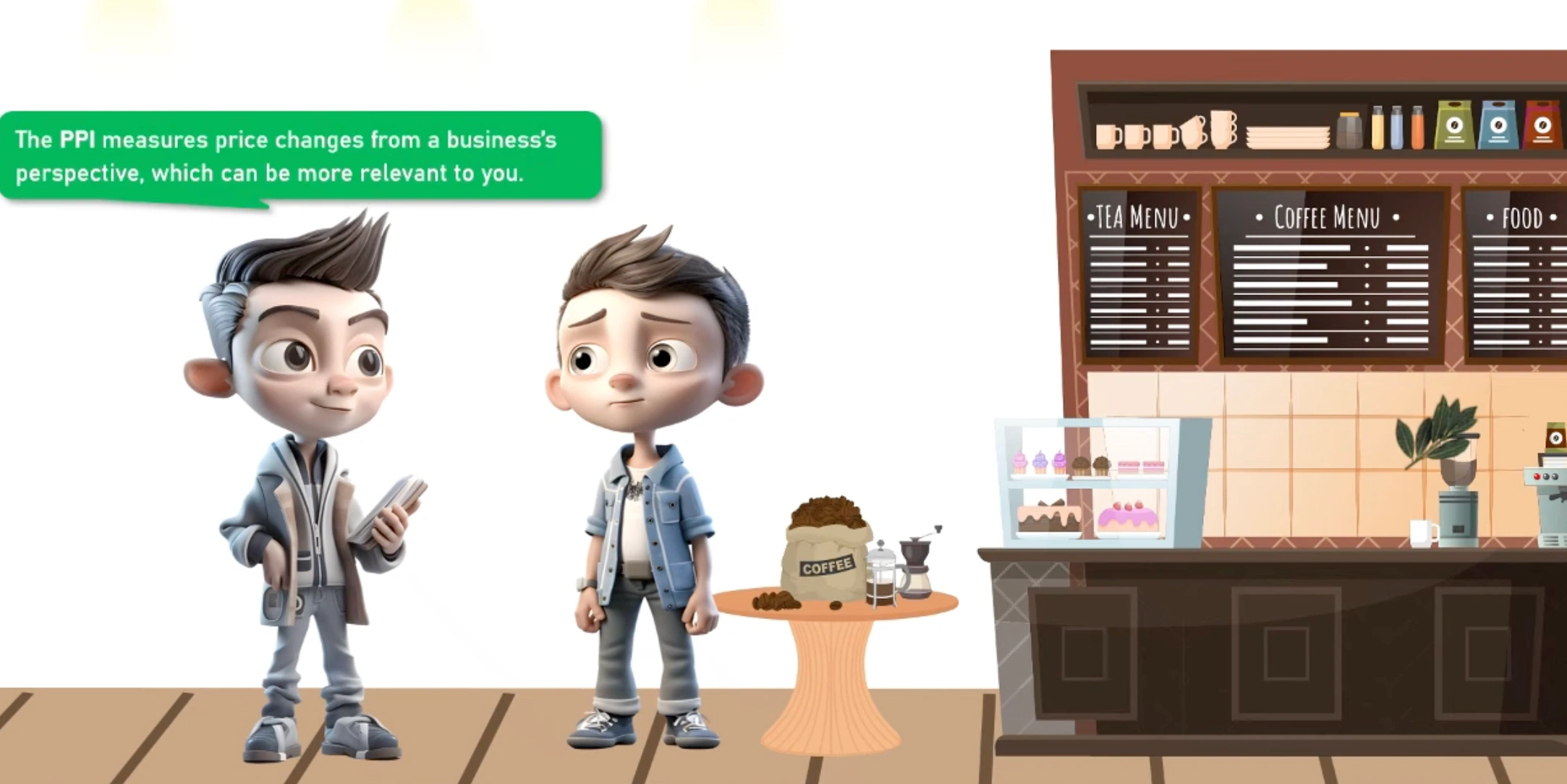
The Producer Price Index (PPI) measures the average change in prices that businesses receive for the goods and services they sell. In simple terms, it tracks how much producers are charging before products reach consumers.
Think of it this way: if a furniture manufacturer suddenly has to pay more for wood, transportation, or labor, it may increase the prices it charges retailers.
Those higher costs often work their way through the supply chain and eventually affect the prices consumers pay.
Because the PPI focuses on prices at the production level, it can serve as an early indicator of inflationary trends.
Many traders view it as a glimpse into what may happen to consumer prices in the months ahead.
Why Is the PPI Important?
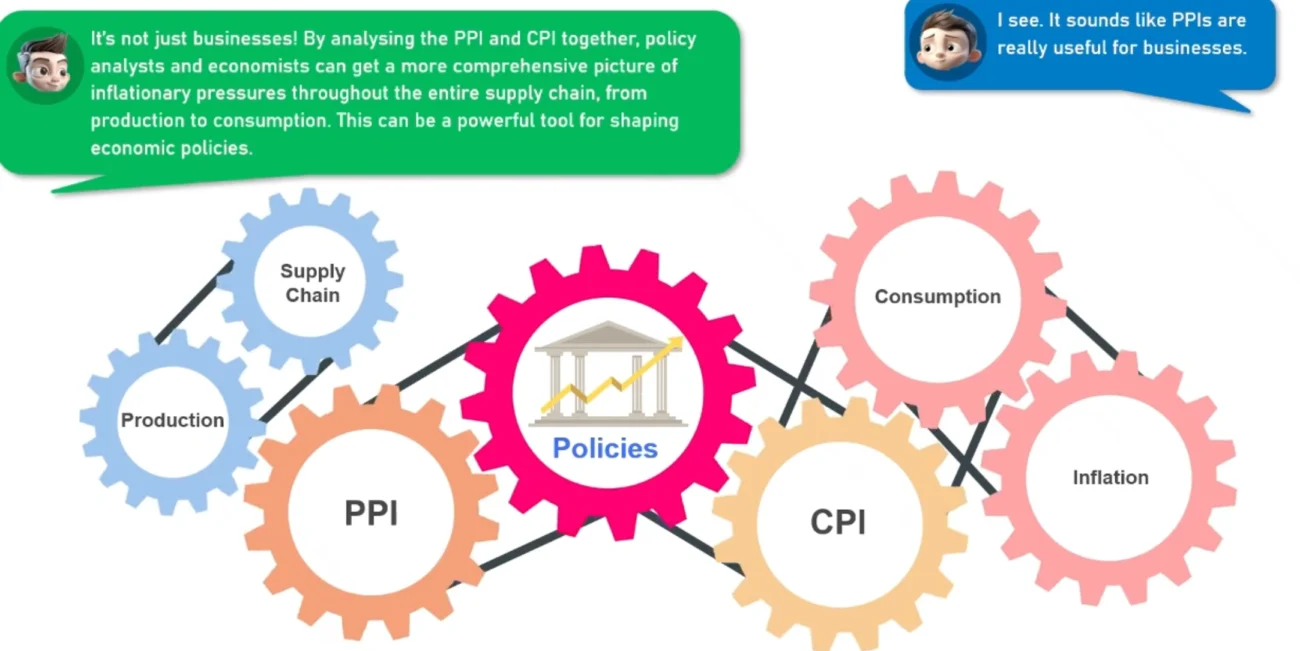
The PPI provides an early warning sign of inflation. When producers face rising costs and pass them along to customers, those increases can eventually ripple through the broader economy.
Investors, traders, economists, and policymakers all pay close attention to the report. Rising producer prices may signal growing inflation pressures, while stable or falling prices can suggest inflation is easing.
Markets often react strongly to unexpected PPI results because inflation plays a major role in interest rate decisions. If producer prices rise faster than expected, traders may anticipate policy changes that could affect stocks, bonds, and currencies.
How the PPI Affects Financial Markets
The PPI can influence several major financial markets because it provides traders with a clue to inflationary pressures. When the report comes in hotter than expected, meaning producer prices rose more than analysts predicted, markets may start worrying that inflation is picking up again.
In the stock market, that can create some nervous energy. Higher production costs can squeeze company profits, especially if businesses cannot pass those costs along to customers. If traders believe inflation could remain elevated, growth stocks may also come under pressure, as higher interest rates can make future earnings look less attractive.
In the bond market, PPI data can affect expectations for interest rates. Strong inflation signals may push bond yields higher as investors anticipate tighter monetary policy. In the forex markets, currencies can move as traders adjust their expectations ahead of central bank decisions.
PPI vs. CPI: What’s the Difference?
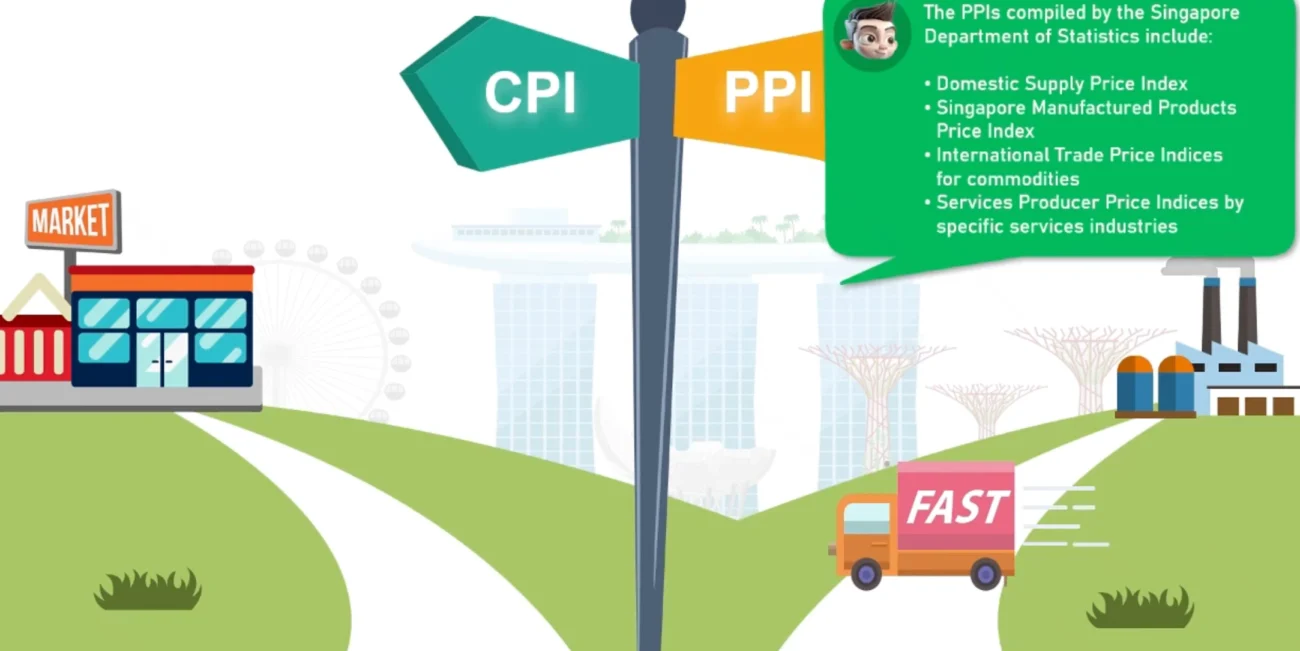
The PPI and CPI are both inflation indicators, but they look at prices from different angles. The PPI measures prices from the producer’s side, while the Consumer Price Index, or CPI, measures prices from the consumer’s side.
A simple way to remember it is this: PPI looks at what businesses receive, and CPI looks at what shoppers pay. If a company pays more to produce a product, that change may show up in the PPI first. Later, if the company raises prices for customers, that increase may appear in the CPI.
How Traders Interpret a PPI Release
When a PPI report comes out, traders usually compare the actual number to the forecast. The forecast is what economists expected before the report was released. The market reaction often depends less on whether the number is “good” or “bad” and more on whether it surprises traders.
For example, suppose economists expected PPI to rise 0.2%, but the actual number comes in at 0.5%. That higher-than-expected reading may suggest inflationary pressures are stronger than anticipated. Markets could react quickly as traders adjust their outlook.
On the other hand, if PPI comes in lower than expected, traders may view it as a sign that inflation is cooling. That could support stocks, lower bond yields, or affect currency moves depending on the broader economic backdrop.
Using PPI Data to Become a Smarter Trader
The Producer Price Index may sound technical, but beginner traders don’t need to overcomplicate it. At its core, the PPI shows how prices change for producers before they fully reach consumers.
For traders, it is useful because it can offer early clues about inflation, interest rates, and market sentiment. Still, it should never be used in isolation. The smartest approach is to view PPI as one piece of a larger economic puzzle alongside reports such as CPI, jobs data, and central bank announcements.