

Blog
Why Your Salt-Free Cooking Might Be Holding You Back

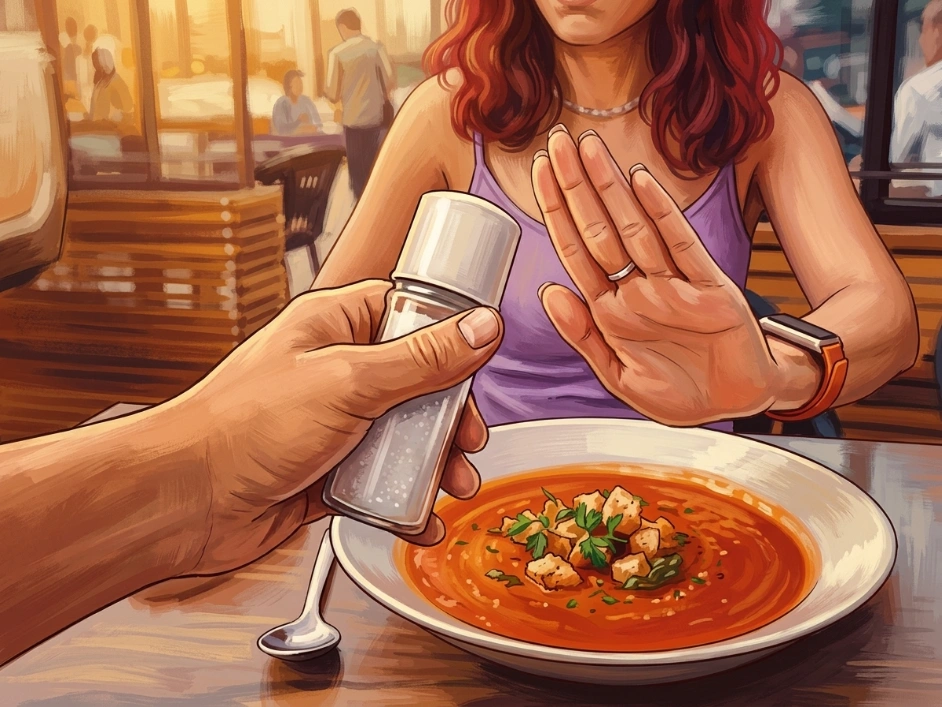
Most home cooks treat salt as the flavor shortcut. You need depth Add salt. Bland protein Salt it. The problem is that salt is a crutch that masks the real opportunity sitting right in front of you on the spice rack. When you remove sodium from the equation, you’re forced to actually build flavor the way working chefs do: through understanding how spices interact, how heat changes their character, and how timing transforms a dish from forgettable to memorable. The good news? This isn’t harder. It’s actually more interesting, and the results taste better than anything salt could deliver on its own.
Key Takeaways
- Salt suppresses complex flavors rather than amplifying them; removing it forces you to develop actual layering technique
- Acid, heat, and aromatics do the heavy lifting that salt used to disguise as seasoning
- A thoughtful approach to salt free seasoning opens up flavor profiles that salt-heavy cooking never reaches
- Building seasoning depth takes more intention but transforms how your food tastes and how your guests respond to it
Why It Matters
Home cooks and professional kitchens face a real constraint: sodium reduction doesn’t mean flavor reduction. For years, the narrative has been “less salt means less flavor,” which has convinced millions of home cooks that their options are limited. The reality is the opposite. Removing salt forces you to taste what’s actually happening on your palate. You stop relying on a single element and start understanding how paprika builds warmth, how garlic powder adds umami depth, how citric acid brightens everything, and how heat timing changes the entire character of a spice.
This is not a health sermon. This is about cooking better. The chefs who produce the most memorable, crave-worthy food rarely depend on salt as their primary flavor engine. They understand that spices have personalities, combinations have chemistry, and timing determines whether a dish sings or falls flat.
The Real Problem With Salt as Your Only Tool
Salt is a flavor amplifier, not a flavor creator. It makes your taste buds more receptive to what’s already there, which is why it feels like salt “adds flavor” when it’s really just shouting the existing ingredients louder. The problem: when salt is your main seasoning strategy, everything tastes the same because you’re just cranking up volume. A salty chicken breast tastes like a salty broccoli crown tastes like a salty piece of fish. The seasoning is one-dimensional.
Remove salt, and suddenly you have to think. You need to ask why a dish tastes flat. Is it missing acid? Spices that should bloom at the start of cooking rather than the end? A building technique that layers flavor in waves instead of all at once? These are the questions that separate good cooking from great cooking.
When you work with truly flavorful spice blends, salt becomes optional context rather than the main event. A well-built spice rub has enough personality that it doesn’t need sodium to command attention. Your palate experiences multiple flavor notes in sequence: initial heat, followed by depth, followed by something unexpected. That’s cooking. That’s technique. That’s the reason your favorite restaurants charge what they do.
How Flavor Actually Builds Without Salt
Acid is your first weapon. A squeeze of lemon juice, a dash of vinegar, or even a pinch of citric acid wakes up your palate the way salt used to. Acid creates brightness and helps your taste buds perceive flavors more acutely. The difference: acid actually reveals flavor rather than just amplifying. You taste the real character of what you’re eating, not a salty blanket over it.
Spices become your second layer. This is where most home cooks get nervous, but it’s exactly where the actual work happens. Paprika, cumin, garlic powder, onion powder, black pepper, cayenne, and smoked spices each have their own character. When you understand which spices love hot oil and which need to bloom slowly, when you know that some spices peak at the beginning of cooking and others transform during a long braise, you’ve learned something salt can never teach you. You’re building a dish instead of seasoning it.
Heat management is your third tool. The temperature at which you introduce spices determines what flavor you get. Toast spices dry in a pan before grinding them, and you unlock roasted, deeper notes. Bloom them in hot oil, and you get brightness and heat dispersal. Add them at the end of cooking, and they stay sharp and present. This is technique that salt never touches. Together, these three elements create complexity that feels effortless to the person eating your food but intentional to anyone watching you cook.
A Practical Example: The Protein That Shouldn’t Work But Does
You’re cooking chicken thighs for a weeknight dinner. Traditionally, you’d salt them heavily, maybe add some pepper, and call it a day. The chicken tastes, well, salty. Here’s the alternative approach.
Dry your chicken thighs thoroughly (moisture prevents browning, and browning is flavor). Season them with a blend that has garlic, onion powder, smoked paprika, black pepper, and maybe a touch of cayenne or chipotle powder, depending on your mood. Nothing salty in that blend. Sear them hard in a hot pan with just a tiny bit of oil. The browning creates flavor all on its own through the Maillard reaction. That’s chemistry, not salt.
Toss in some sliced onions and let them caramelize while the chicken rests. Squeeze lemon juice over everything while the pan is still hot, and watch the acid cut through the richness of the seared skin. Add a pinch of fresh cracked pepper. Finish with a bright, slightly acidic spice rub if you want another layer.
When someone tastes that chicken, they don’t say “wow, that’s salty.” They say “wow, this actually tastes like something.” They taste browning, they taste spice character, they taste acid brightness, they taste the actual bird. That’s the difference.
Building Your Own Salt-Free Seasoning Strategy
Start by thinking of your spice rack as a flavor toolkit instead of a collection of random jars. Every spice has a job:
- Aromatics (garlic powder, onion powder, celery powder) create approachable foundation flavor
- Heat spices (cayenne, black pepper, chili powders) add intensity and complexity
- Warm spices (cumin, coriander, smoked paprika) build depth and richness
- Bright spices (coriander seed, lemon zest, citric acid) cut through richness and add freshness
When you’re building a dish, think about which of these categories needs emphasis. A rich braise needs bright spices to feel balanced. A vegetable side needs aromatic depth to feel like the main event. A simple protein needs enough spice complexity that it doesn’t feel lonely on the plate.
Actionable Takeaways
- Taste your food before reaching for salt. Spend two weeks cooking normally and pausing to identify what’s actually missing. Usually it’s acid, not salt. Add a squeeze of citrus or vinegar and taste again.
- Buy or build one salt-free spice blend and cook with it exclusively for a week. Understand how it behaves at different temperatures, in different dishes, with different proteins. Learn its personality.
- Start seasoning in layers rather than all at once. Some spices go into hot oil at the start. Some get bloomed in the pan just before serving. Some finish the dish. This timing changes everything.
- Experiment with acid as your primary flavor brightener. Fresh lemon, lime, vinegar, or even citric acid powder. Use it at the end of cooking or while the pan is still hot. Watch your food come alive.
- Cook one familiar recipe twice, once your traditional way and once focusing on spice depth instead of salt. Blind taste both versions and notice the difference.
The Bigger Picture
When you stop relying on salt, you start actually cooking. You become aware of techniques that professional kitchens have used for decades. You realize that flavor isn’t something that happens by accident. It’s built intentionally, layer by layer, through understanding what spices do and when to use them.
This doesn’t mean salt disappears from your kitchen. It means salt stops being your go-to solution for flat food. Instead, you’ve got a real toolkit: acid, heat, timing, and spice knowledge. Your food will taste better. Your guests will notice. And you’ll understand exactly why.
FAQ
What’s the difference between salt-free seasoning and just skipping salt entirely?
Skipping salt entirely leaves you with bland food. Salt-free seasoning is actually seasoning; it uses spices, acid, and aromatics to build flavor without sodium. A salt-free blend has actual composition and purpose, while skipping salt is just absence. The first creates flavor. The second just removes it.
Can I use salt-free blends on every protein or just certain ones?
Salt-free blends work on everything if they’re built right. The real question is whether the blend complements what you’re cooking. A blend with warm spices works beautifully on beef or chicken. A brighter blend with citric acid suits fish. Think about pairing, not about protein type, and you’ll see that good salt-free seasonings work across your entire kitchen.
How do salt-free blends taste compared to regular seasoning?
A well-made salt-free blend tastes more interesting than regular seasoning because you taste individual spice notes instead of just salt. It’s not “less intense.” It’s different-intense. You get complexity instead of loudness.
Do I need to adjust cooking times or techniques when using salt-free seasonings?
No. You’re still cooking the same way. The only difference is that you’re seasoning with spices instead of primarily with salt. Your technique stays identical. Your results improve because you’re building flavor more intentionally.
Why would restaurants use salt-free seasonings if they could just use salt?
Actually, salt-free spice knowledge is exactly what professional kitchens use to charge premium prices. The chefs aren’t hiding behind salt. They’re building flavor through understanding spice composition, timing, and technique. That’s what makes their food memorable.
Where do salt-free seasonings fit into meal planning for a home cook?
They fit everywhere, as long as you think about what flavors work with what dishes. A salt-free seasoning designed for smoked meat works differently than one designed for vegetables. Start with one that matches something you cook regularly, learn how it behaves, and expand from there.