

Blog
13 Foods That Kill Parasites In Humans

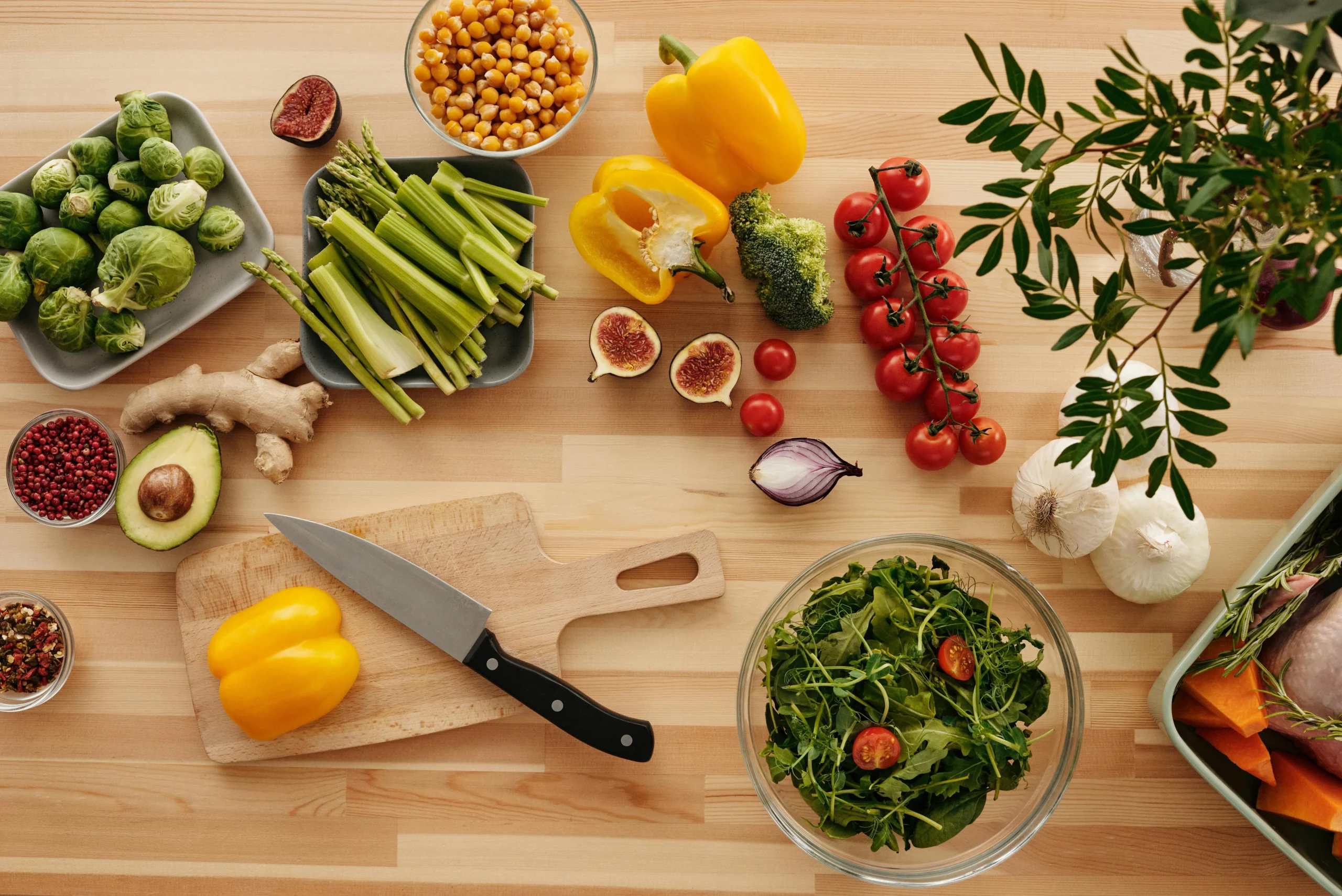
One such thing is parasitic infections, which most of us do not want to contemplate. The thought that something is alive on the inside of your body, that it feeds off of your nutrients and may be the cause of illness is a frightening one. Parasites can creep into your system whether it is contaminated food, water or when you come in touch with infected animals. When taken internally, they may lead to numerous effects such as fatigue, bloat, digestive problems, and decreased immune response.
The good news is as follows: Although the parasites are undesirable guests, there is nothing to panic about. There is an inbuilt defense system in your body and some foods can enhance that defense. In this post we will immerse ourselves into 13 foods that have been proved to aid in the killing of parasites in human beings. These foods are not only nutritious and tasty, but they can also enable your body to fight off these intruders even better.
Common symptoms of parasite infection.
There are those individuals who can stay without symptoms up to years even with intestinal worms and there are those who can start experiencing the symptoms as the infestation advances. The intestinal worms may cause the following symptoms:
- Abdominal pain
- Diarrhea
- Nausea and vomiting
- Abdominal bloating
- Unexplained weight loss
- Fatigue
- Abdominal tenderness.
Victims of intestinal worms could also develop dysentery, characterized by blood in the stool. Also, these parasites might cause itching and rashes in the area of the rectum and in women it could spread to the vulva. Another possible sign of an infestation is the expulsion of worms during bowel movements.
Understanding What You Are Dealing With
There are two major categories of intestinal parasites. The former is protozoa single-celled microorganisms such as Giardia lamblia, Cryptosporidium, Entamoeba histolytica and Blastocystis hominis. They are tiny, yet by no means harmless. Giardia by itself is one of the most prevalent causes of waterborne illness worldwide. It leads to months of diarrhea, bloating, fatigue and malabsorption.
- Chronic or repeated abdominal cramping and bloating.
- Diarrhea or loose stools especially when liquid and long-lasting.
- Fatigue without any explanations that fails to improve on rest.
- Unintended weight loss
- Itching or irritation of the area around the anus, particularly at night (typical of pinworms)
- Worms in stool can be seen with the naked eye, an obvious sign that needs emergency treatment.
- In stool, blood or mucus, which can be related to Entamoeba histolytica.
- Grinding teeth at night and continuing brain fog.
After the parasite enters the body it may spread to the intestines where it reproduces and multiplies. Symptoms are usually manifested when the population of the worm increases.
How Parasites Enter the Body
The most common route is through contaminated food and water. The giardia cysts, Cryptosporidium oocysts and helminth eggs have the capacity to endure in untreated water sources over a long time. Raw or undercooked meat, especially pork, which is linked to the tapeworm Taenia solium is an important transmission vehicle. The unhygienic raw soil fertilized with untreated human waste can be a carrier of eggs of parasites even when the produce is not washed.
- Fecal-oral transmission takes place when microscopic fecal particles of an infected individual enter the mouth of another usually through unwashed hands, contaminated surfaces or mishandled food.
- Hookworm larvae may enter bare skin when an individual steps on infected soil- one of the reasons that footwear is such a great health tool. Insect bites are also a mode of transmission of some protozoan parasites through bites of mosquitoes, sandflies and tsetse flies.
- After entering the body, the parasites go to the intestines, attaching themselves to the gut wall, multiplying, and beginning to compete with the host over nutrients. In the long-term, the increasing population of parasites causes inflammation, perturbation of the gut microbiome, and injury of the intestinal mucosa.
13 Foods to Kill Parasites in Humans.
There are many home treatments of stomach worms, which would help to rid the stomach of the worms. The following is the list of the top 13 foods that kill parasites in humans:
1) Pumpkin Seeds
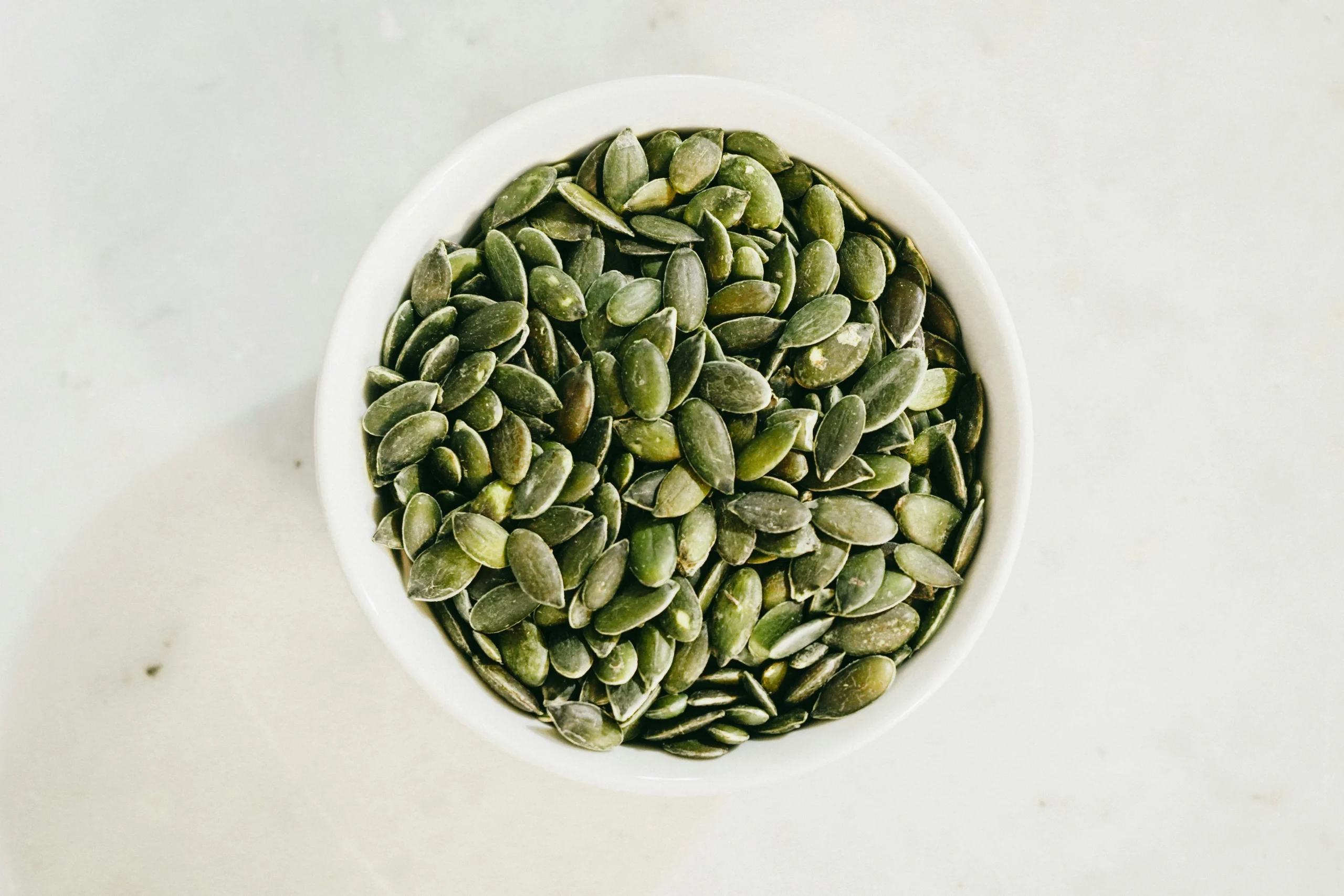
Pumpkin seeds are known to be an effective anti-parasitic food. Their tetracyclic triterpenes are also commonly used in the treatment of parasitic infections. Moreover, pumpkin seeds contain cucurbitins in large quantity which may paralyze the worms and this makes it hard to cling onto the intestinal walls. This helps them to be pushed out of the body when bowels are released.
2) European Barberry

Berberis Vulgaris is an Herb that is scientifically referred to as European barberry and is known to contain berberine which is a compound known to have the power of countering parasites. Studies have shown that parasitic infections can be treated successfully using berberine. An anti-tapeworm action of berberine in barberry was first reported in a 2014 article in the Iranian Journal of Parasitology.
3) Pineapple

The enzyme Bromelain, which is majorly present in pineapple center, improves digestion and is also antiparasitic in nature. Research has shown that pineapple juice has the ability of reducing the concentration of pro-inflammatory cytokines that cause inflammation in the colon. The ability of bromelain to digest protein-rich foods makes it a good companion in fighting intestinal parasites since it is able to kill worms. Pineapple, taken regularly, can boost the immune system, which will help it to combat and eliminate parasites.
4) Unripe Papaya & Papaya Seeds
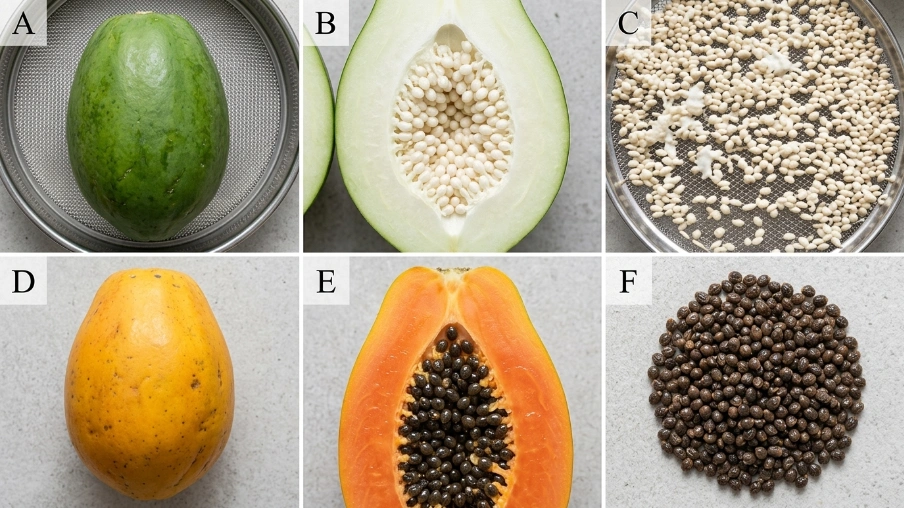
Unripe papaya is a strong antidote to intestinal worms. The fruit and seeds of the fruit are anti-amoebic and anthelmintic hence eliminating intestinal parasites without any adverse effects. In order to make it most effective, it is better to squeeze the juice out of the papaya and combine it with honey. This is to be taken in the morning. To achieve the best outcome, this regimen should last at least two days.
5) Garlic
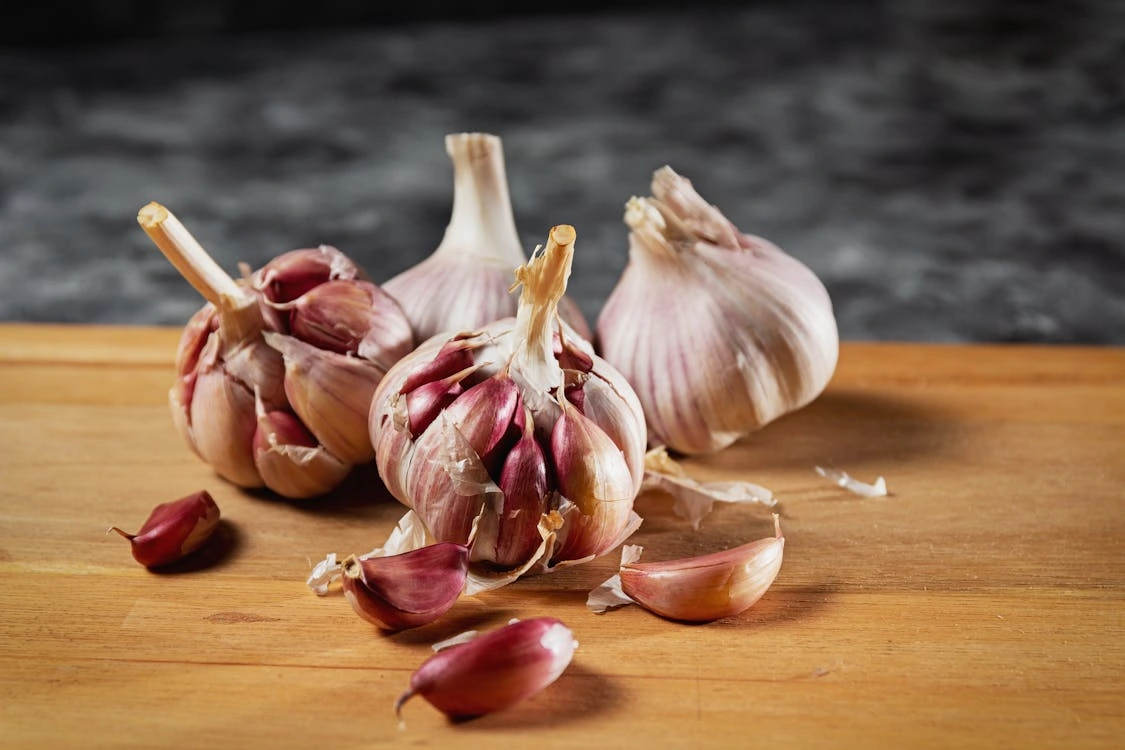
Garlic is known to boost appetite, boost immunity, decrease inflammation and kill parasites. Sulfur compounds which are present in abundance in garlic help in eliminating harmful bacteria and preventing the formation of blood clots. Considering that the lack of stomach acid is linked to bacterial and yeast overgrowth in the gut, the effects of garlic in enhancing the production of acid are very advantageous. Studies have found that garlic is a viable preventive strategy and treatment option of cryptosporidial infections.
6) Ginger
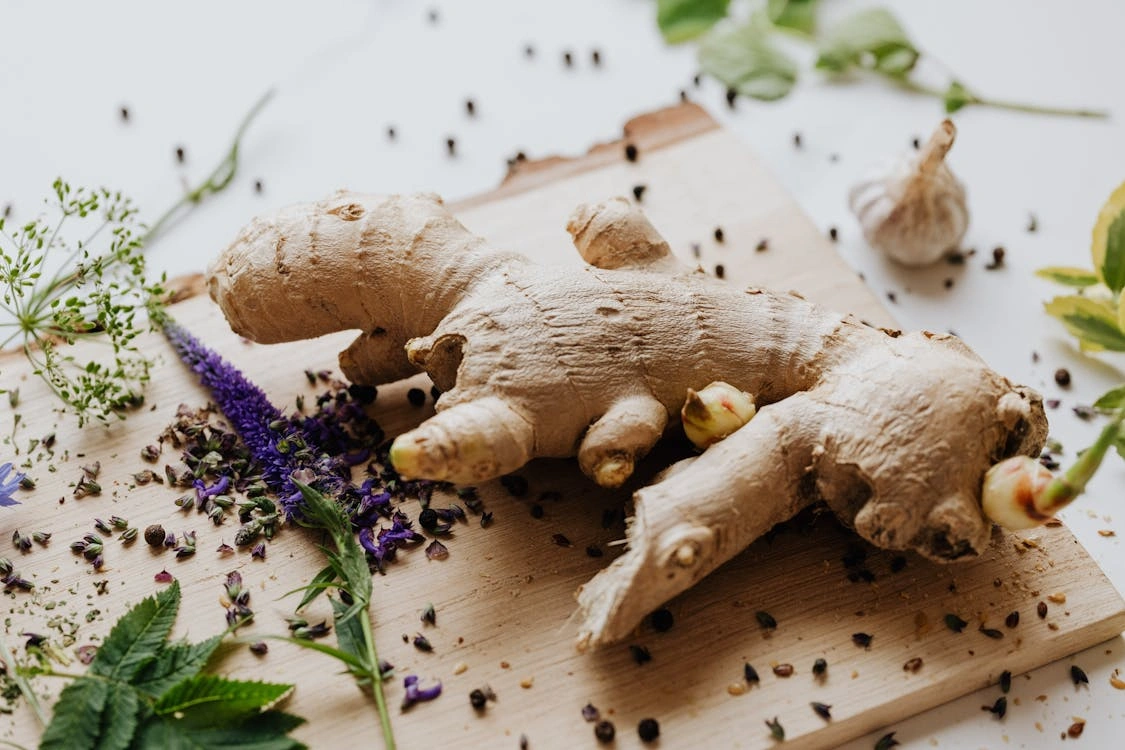
Like garlic, ginger also stimulates the formation of stomach acid, which helps neutralize parasites and avoid infection. In addition to its digestive properties, ginger improves blood circulation and this aspect makes it one of the most effective foods in fighting parasites. Research has investigated anti-parasitic effects of ginger especially against drug resistant infections demonstrating its anti-protozoal action against Toxoplasma gondii, Giardia lamblia, Blastocystis spp. and Trypanosoma spp.
7) Cucumber Seeds
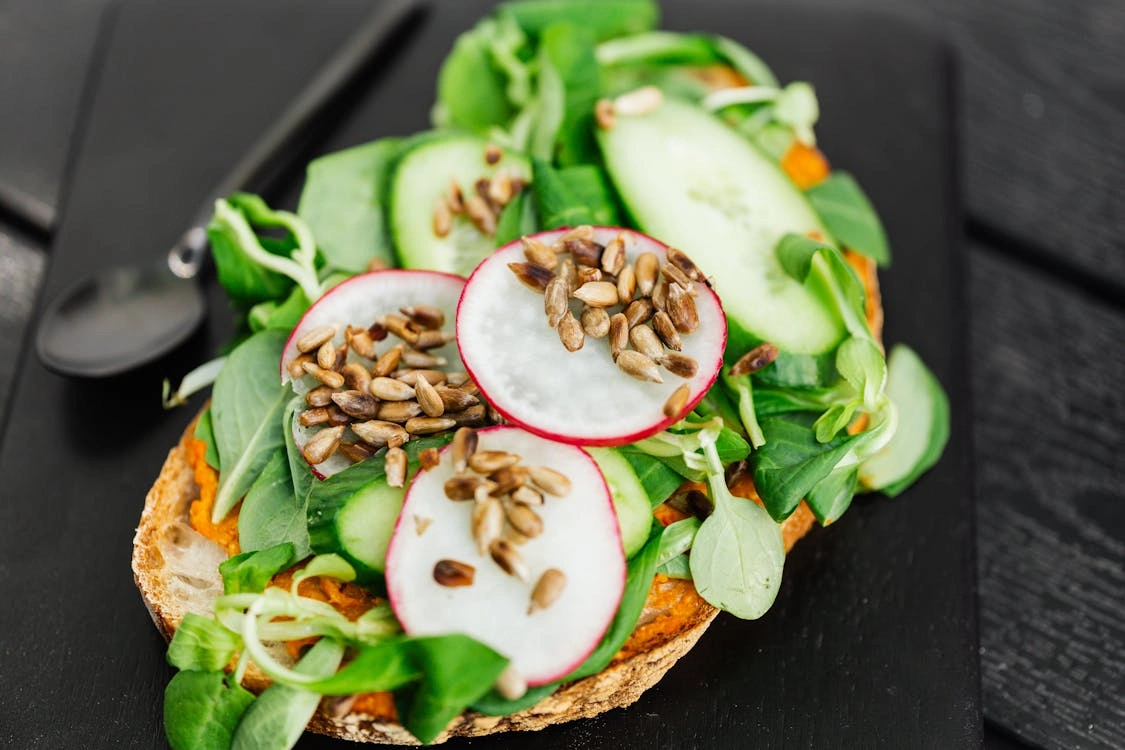
Cucumber seeds can help to remove tapeworms of your digestive system because of antiparasitic effects. It can thus be recommended to plant cucumber seeds in your diet just in case, even when you do not have a parasitic infection at the moment. Cucumbers contain enzymes that are known to be useful in fighting tapeworms. Nevertheless, in case you suspect of having tapeworm infection, it is best to see an experienced gastroenterologist.
8) Oregano Oil
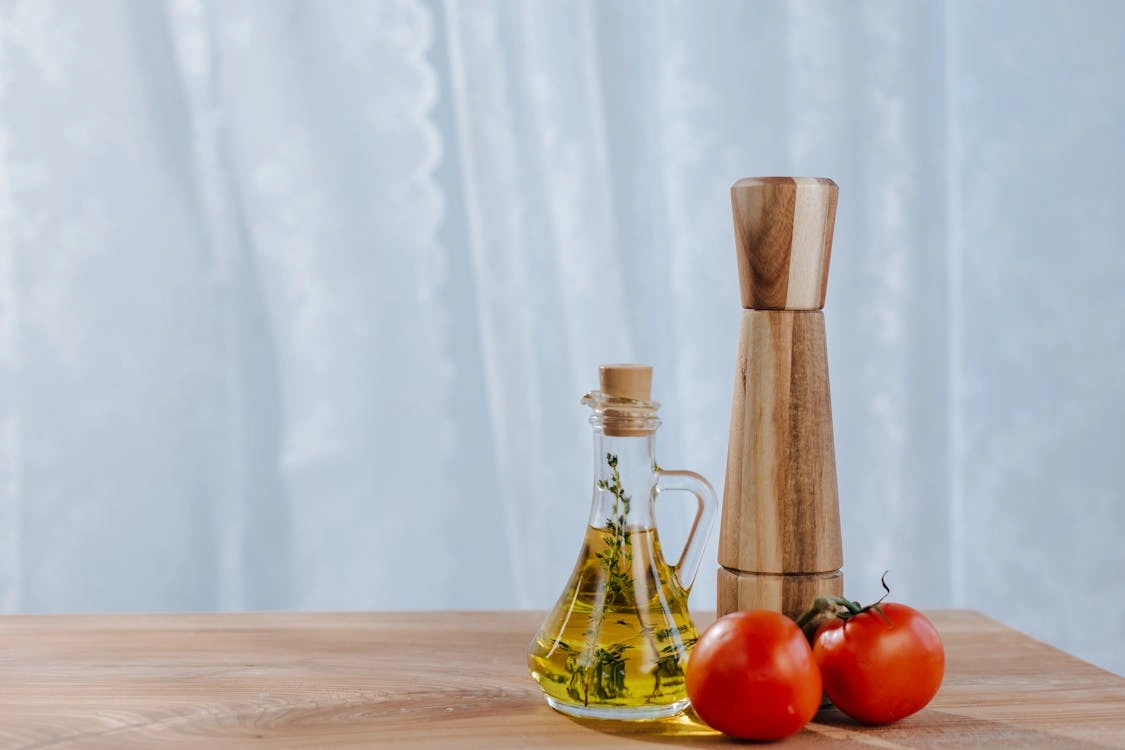
Oregano oil has been shown to be effective against several parasites, such as Blastocystis hominis, Entamoeba hartmanni, and Endolimax nana. Studies have shown that oregano oil can also be used as a bioactive agent to control infections by the Cryptosporidium parvum protozoan parasite, which causes diarrhea in children.
9) Probiotic Foods

Studies have found out that probiotics could be a helpful adjunct treatment to people struggling with gastrointestinal parasites. The positive microorganisms present in probiotics would help to maintain a healthy bacterial balance in the gut. However, one should always consult a gastroenterologist in case you think that you have a parasitic infection. It is important to note that Saccharomyces boulardii has been reported in several studies to be a good anti-parasitic agent especially in giardiasis treatment.
10) Coconut
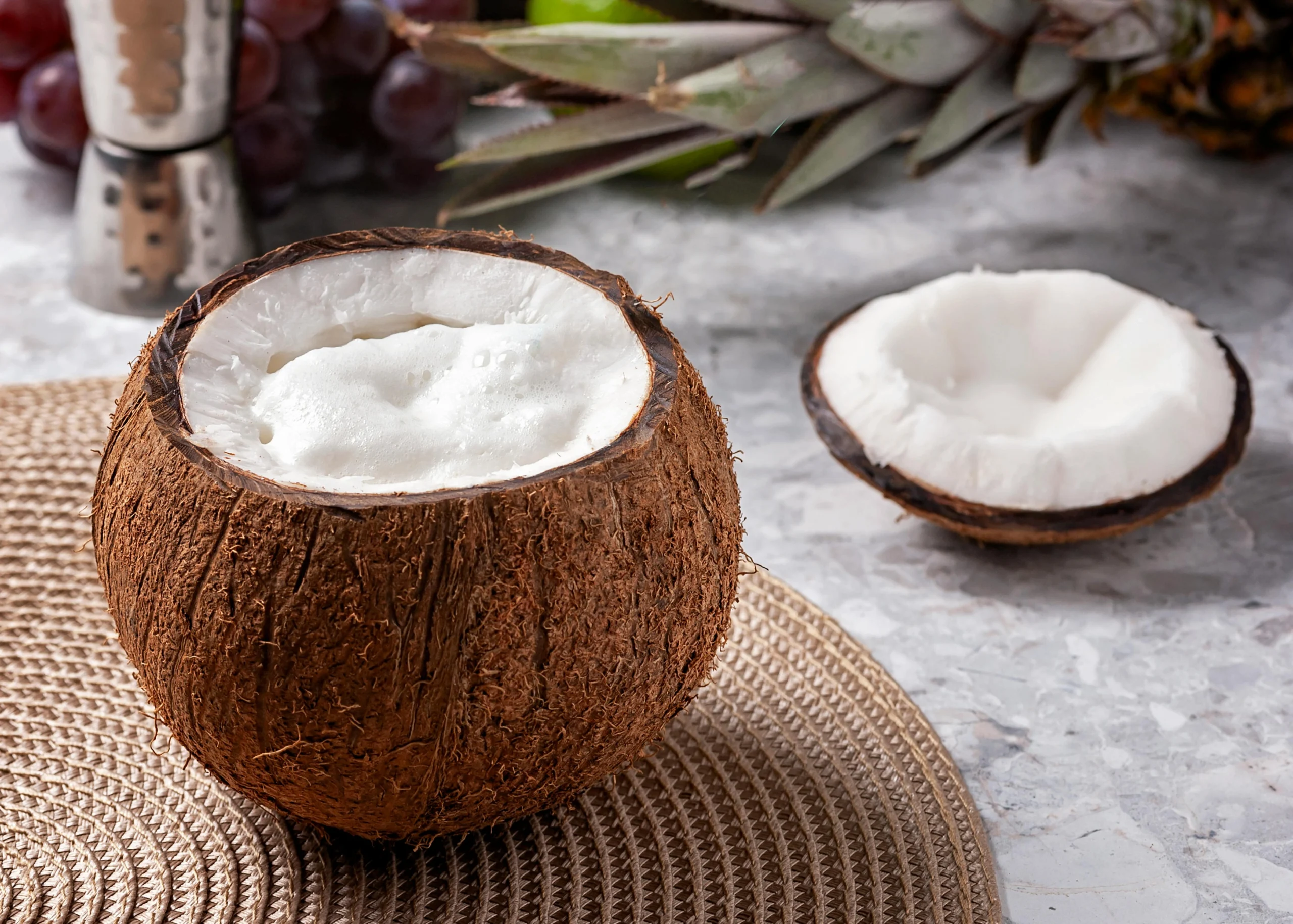
The flesh and oil of coconut have proven to be anti-parasitic. Coconut also contains antibacterial and antiviral properties that could be helpful in getting rid of pinworm and tapeworm infections. The treatment is two-fold: take in a teaspoon of pure coconut oil in the morning and before bed rub a little coconut oil on the affected part.
11) Neem

Neem has been known as an antimicrobial. Neem paste is effective against intestine worms, and needs to be taken with water daily in the morning. This plan ought to be continued over a few days to determine its effect. Studies have shown that larvae fed with neem kernel dust died in two days.
Infection of intestinal parasites can be prevented by good hygiene. Before cooking all raw foods, it is necessary to wash them. Avoid eating cut and exposed foods in the streets and be sure to wash your hands when you eat or come home. Do not eat raw foods and make sure that meat, especially pork, is cooked properly before eating. Always use filtered water and consult a doctor when you start to have any symptoms of a possible parasite infection.
12) Wormwood extract
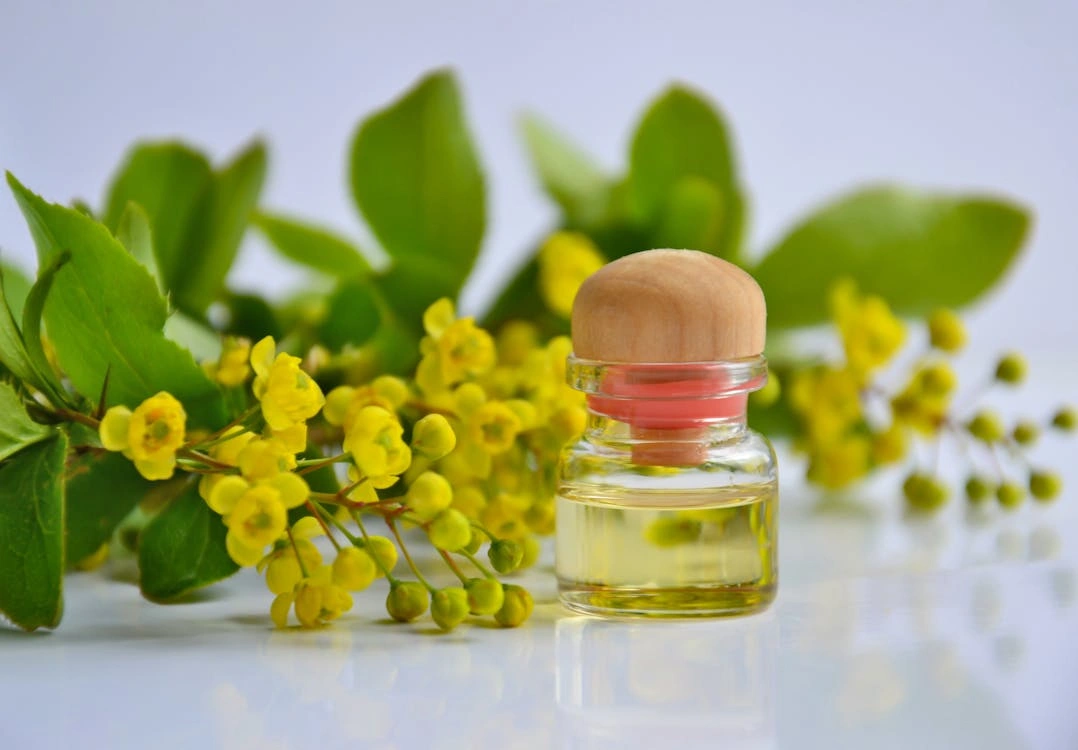
A product made out of the sweet wormwood bush has been found to be effective against adult tapeworms and their eggs in a mouse model. The constituents found in the sweet wormwood plant are, therefore, used in the manufacture of different pharmaceuticals to treat parasitic infections.
13) Pomegranates
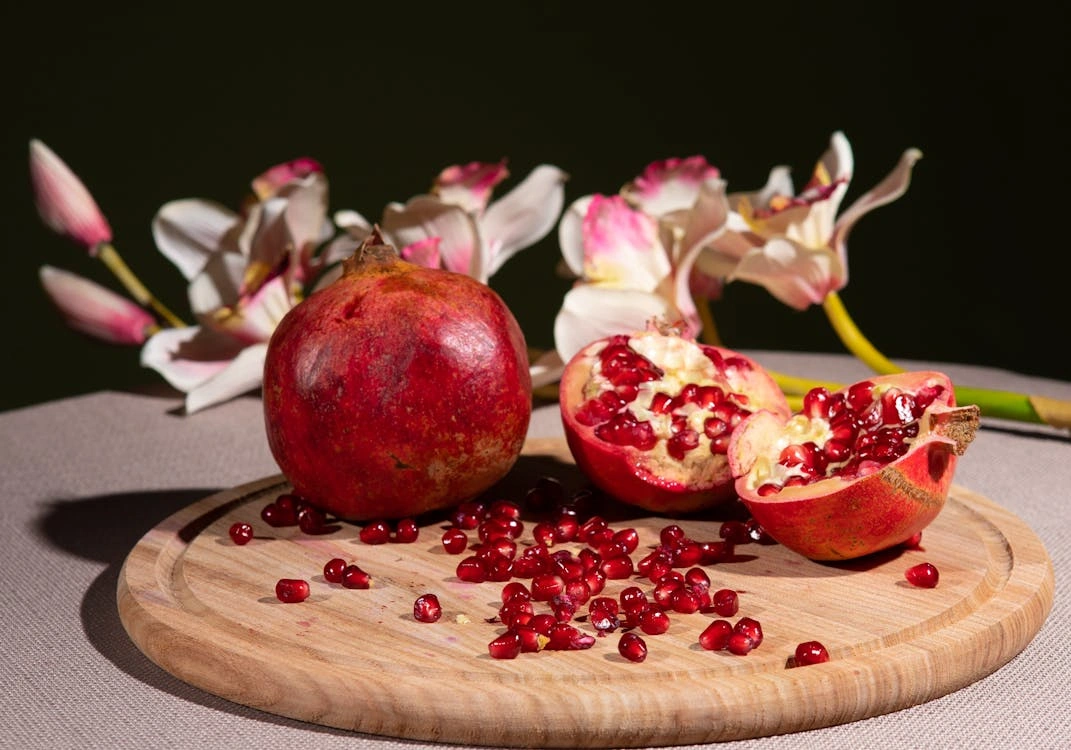
Pomegranates contain a lot of antioxidants and are traditionally known to possess anti-parasitic potential. There are studies that have shown that pomegranate extract can be active against certain parasites. Drinking pomegranate juice or eating fresh pomegranates can have some health benefits.
Using These Foods Together: What Works
There are some principles that can be remembered when adding any of these foods to a protocol.
Timing matters. The majority of antiparasitic agents have been shown to be most effective when they are taken to the intestines in high concentration without the watering down effect of a full stomach. Good reasoning, which is supported by research, is to take these foods in the morning before breakfast.
A mixture is also usually more effective than any type of food. Parasites are evolutionary adaptive organisms – it is more difficult to strike them against various compounds by several mechanisms at the same time, which reduces the chances of developing resistance. The combination of raw garlic, fresh ginger tea, and pumpkin seeds in the morning provides a combination of antiparasitic properties that cannot be duplicated by an individual food.
Probiotics should be included in all protocols. Even a successful infection removes an intact environment that predisposes reinfection greatly in the absence of restoring the gut microbiome.
Conclusion
Parasitic infections can have significant health effects, causing a variety of both unpleasant symptoms and undermining the immune system. Fortunately, there are foods that can help to strengthen the body against these parasites.
Eating these foods may be a natural way of increasing the ability of your body to fight parasitic infections. However, it is imperative to note that parasitic infections may vary in their severity and require personalized treatment methods. Therefore, it is recommended to seek the help of a medical practitioner, especially a specialist in functional medicine, to get individual recommendations and treatment options.