

Blog
How to Keep Your Teeth Healthy Long Term

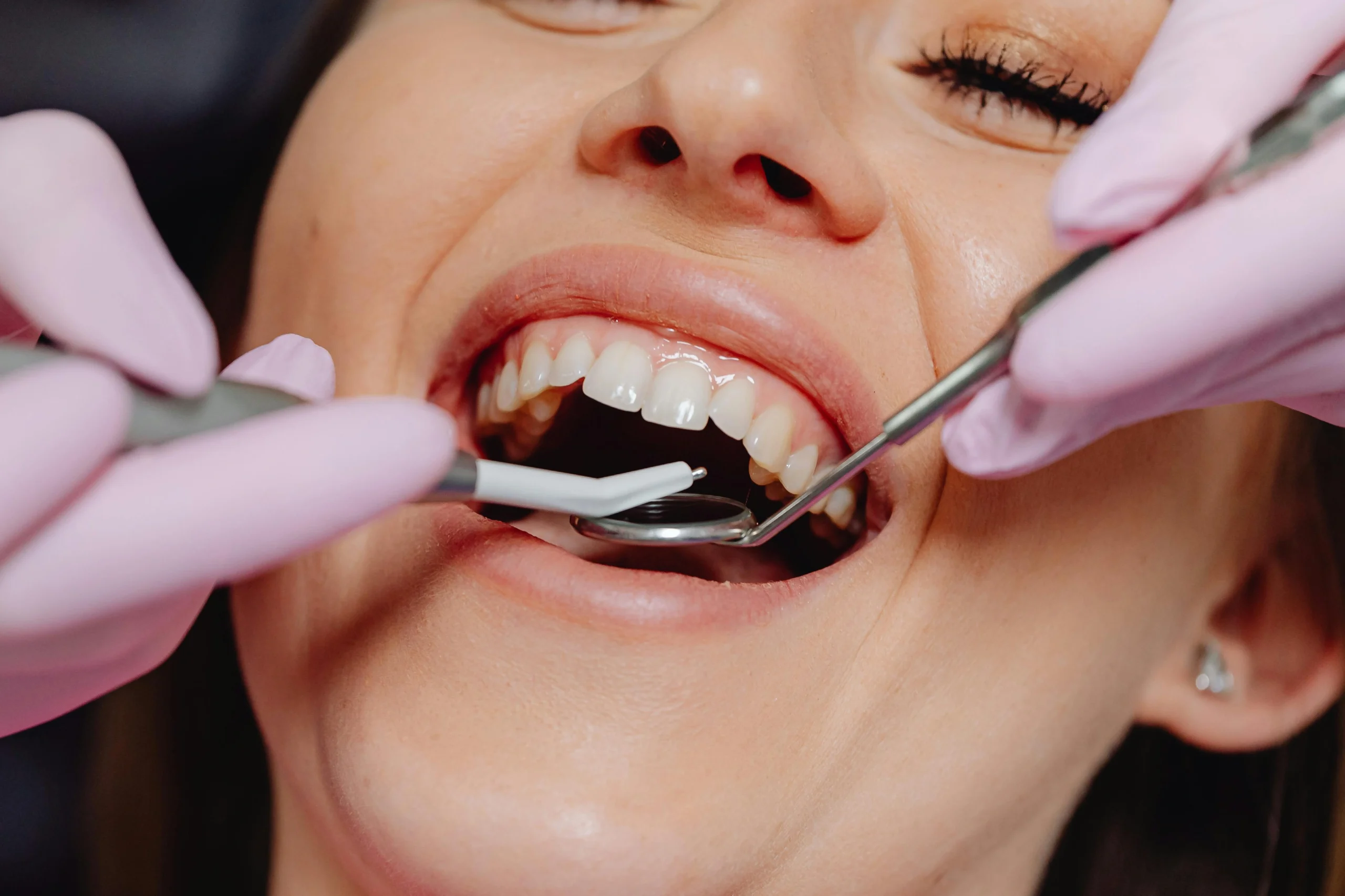
Most people don’t think about their teeth until something goes wrong. A sudden ache, sensitivity, or a chipped tooth can quickly shift your attention to something you have probably been taking for granted. The reality is that long-term dental health isn’t about reacting to problems. It’s about preventing them before they start.
Keeping your teeth healthy over time doesn’t require complicated routines or constant effort. It comes down to consistent habits, paying attention to small changes, and getting the right support when needed. If you’re unsure about your current dental health or want to stay ahead of potential issues, visiting a dentist Matraville clinic or a similar provider can help you maintain a clear, long-term plan.
Build Strong Daily Habits
Brushing and flossing aren’t new concepts, but how consistently you do them makes all the difference. Skipping even small parts of your routine can allow plaque to build up over time.
- Brushing twice a day with proper technique
- Flossing daily to clean between teeth
- Using a toothpaste that supports enamel protection
These habits are simple but form the foundation of long-term dental health.
Technique is just as important
Brushing quickly or aggressively doesn’t improve results. In fact, it can damage your gums and enamel.
- Use gentle, circular motions
- Reach all areas of your mouth
- Avoid pressing too hard
What you eat affects your teeth

Your diet plays a significant role in oral health. Sugary and acidic foods can weaken enamel and contribute to decay over time.
- Sugary snacks and drinks
- Acidic beverages like soft drinks
- Frequent snacking without rinsing or brushing
Balance and moderation help
You don’t need to eliminate everything, but being mindful of how often you consume these foods makes a difference.
- Drinking water after meals
- Limiting sugary snacks between meals
- Choosing foods that support oral health
Don’t Ignore Early Signs
Small symptoms can signal bigger issues
Dental problems rarely appear suddenly. They often start with subtle signs that are easy to ignore.
- Sensitivity to hot or cold
- Bleeding gums when brushing
- Persistent bad breath
- Minor discomfort when chewing
Addressing these early can prevent more serious issues later.
Acting early saves time and effort
The sooner you deal with a problem, the simpler the solution is likely to be. Waiting often leads to more complex and costly treatments.
Keep Up With Regular Check-Ups
Regular dental visits allow issues to be identified before they become serious.
- Detect early signs of decay or gum issues
- Provide cleaning that removes build-up
- Offer personalised advice based on your needs
Make it part of your routine
Instead of waiting for a problem, treat check-ups as a normal part of maintaining your health.
Consistency here helps avoid unexpected issues.
Protect Your Teeth From Damage

Certain habits can wear down or damage your teeth over time.
- Grinding or clenching your teeth
- Using your teeth to open packaging
- Chewing on hard objects
Being aware of these behaviours helps reduce unnecessary stress on your teeth.
Use protection when needed
If you play sports or grind your teeth at night, protective solutions can help prevent damage.
Taking preventative steps reduces the risk of long-term issues.
Maintain Overall Gum Health
Healthy gums support your teeth and play a key role in overall oral health.
- Redness or swelling
- Bleeding when brushing
- Receding gum lines
Keep your gums in good condition
Good oral hygiene supports both teeth and gums. Regular brushing, flossing, and check-ups help maintain a healthy balance.
Long term health is built gradually
There’s no quick fix for maintaining healthy teeth. It’s the result of small, consistent actions over time.
Even simple habits, when done regularly, can prevent many common dental problems.
Adjust as needed
Your needs may change over time, so it’s important to stay aware and adjust your routine if necessary.
- Changing products
- Improving technique
- Seeking advice when something feels off
Making Dental Health Part of Your Routine
Keeping your teeth healthy long term isn’t about doing something extraordinary. It’s about doing the basics well and staying consistent.
By building strong daily habits, paying attention to early signs, and staying proactive with care, you can avoid many of the issues that lead to discomfort or more serious treatment.