

Blog
Elder Law and Bedsore Neglect Cases


Pressure ulcers amount to over 2.5 million incidents in the US each year, according to data from the Agency for Healthcare Research and Quality. This condition is mostly found among elderly residents of healthcare centers.
Elder law is important for the safeguarding of the rights and well-being of elderly people, most particularly those who are residing in nursing homes or long-term care facilities. Bedsores, or pressure lesions, are one of the most common and preventable forms of neglect from these facilities. If left untreated, this disease can result in serious infections, unbearable pain, and death.
According to bedsore injury lawyer Brian Van Allen, you hold sufficient grounds to bring forth a claim for elderly abuse against an elderly facility if your elderly family member has just suffered from a bedsore
Under elder law, victims and their families may hold culpable parties at fault for any damages related to the negligent care of elderly people. Claims can be filed that demand the recovery of medical expenses, pain and suffering, and reduced quality of life.
Let’s examine the signs of neglect in residential and elderly care facilities that family members should watch out for.
What Is Bedsore Neglect in Elder Care?

People who are bedbound and those who use wheelchairs tend to get skin sores where pressure is applied by constant body weight upon the skin.
A relative should intervene at the first signs of bedsores to prevent this medical condition from advancing. Good hygiene, frequent repositioning, and proper food intake are some of the measures that may help in preventing bedsores.
Caregiver training is needed to identify early symptoms of bedsores, during which the skin turns red and becomes swollen.
The treatment of an elderly patient can easily worsen physical health and increase the risk of any medical problems, such as infection.
A bedsore case entitles you to request improved medical treatment for your family members.
Legal Responsibilities of Nursing Homes and Care Facilities
Nursing homes and care facilities have the legal responsibility to deliver suitable care. One part of the care that is necessary for elderly residents is to prevent and treat pressure ulcers. By being consistent in monitoring, all nursing care staff should implement hygiene measures without any delay and assist residents as needed with proper body movements.
Prevention methods should be used by staff to reduce the risk of pressure sores. If a resident has one, the facility needs to go ahead and treat it. This treatment requires proper documentation.
Families have to design estate plans that will make available appropriate care for their loved ones and encompass advanced healthcare directives, power of attorney advocacy, and financial planning for elderly people who may not be able to speak for themselves.
Consulting expert elder law attorneys near you to help you evaluate your choices and opt for beneficial decisions that suit you and your family.
Ignoring elder law rules can have legal consequences. A facility may be held accountable for neglect, irrespective of what it did. The family member or other advocate must demonstrate that the misconduct of the facility resulted in an infringement of the health and well-being of their loved one.
Signs of Bedsores: What to Look For
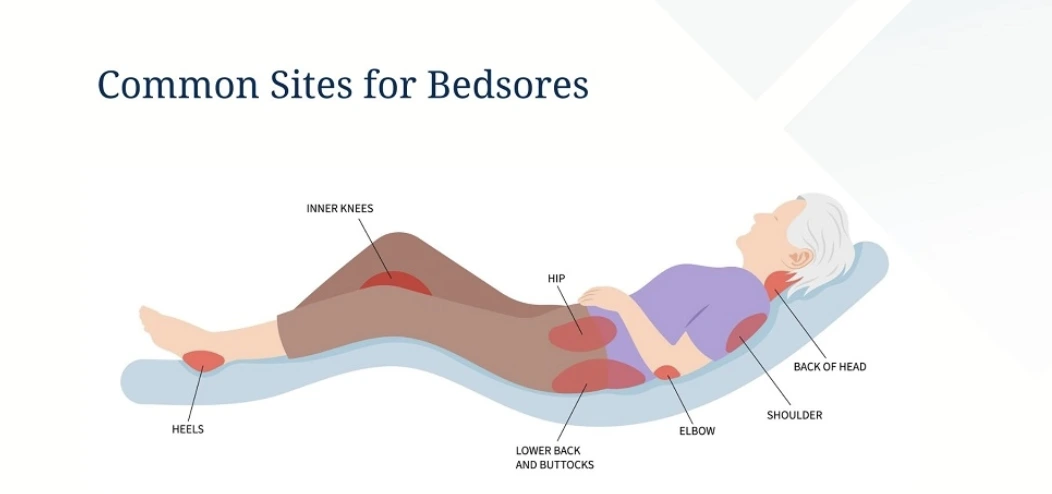
Partners can detect developing bedsores in their loved ones through watching for skin alterations that occur on bony areas of the body, including heels, elbows, and the tailbone.
If an elderly person’s skin stays red after you press it, it may be an early sign of tissue damage. An individual can be suspected to have contracted a bedsore if the affected areas show signs of swelling and warmth together with tenderness.
Seniors with skin that blisters, cracks, or develops ulcers urgently need medical care. It is a wise thing to do a physical examination of your older relatives to see if they are in pain. Such a symptom could suggest an otherwise undisclosed health condition.
What Should You Do If You Suspect Neglect?
When you suspect neglect in any care setting, you must collect evidence by documenting any relevant evidence. Most indicators of neglect can be gathered through observation. Record the date and time such observations were made. Include statements from caregivers or staff members you have interviewed.
You need to speak up by walking to facility management so that you can express your concerns. If an appropriate answer is not found, one must contact local authorities or agencies for aged care advocacy.
All facts and figures related to the expenses should be obtained. You should also take pictures of the sore. The picture can serve as evidence.
Conduct a discussion among other family members so you know what steps should be taken next.
How to Pursue Legal Action for Bedsore Neglect
The acquisition of evidence forms the central and most important part whenever legal action is about to be seen. Copies of medical records, photographs of bedsores, and documents that are significant to the case should be secured.
An experienced elder law professional specializing in neglect cases must be consulted. The attorney will explain your rights together with the possibilities for filing a claim.
The next step involves your attorney advising you to submit a complaint against the nursing home or other relevant facility. The legal team will create a formal lawsuit document that details your case against all parties who bear responsibility.
You must demonstrate that the facility did not deliver adequate care. You can present your documentation as evidence of negligence.
Your active participation in the entire procedure will help establish a solid foundation for your case.
Advocating for Better Standards to Prevent Bedsore Neglect
The advocacy for better standards to prevent bedsore neglect proves necessary since it protects the vulnerable individuals who reside in care facilities.
Start first by learning the current regulations and identifying the parts that need improvement. Healthcare professionals should team up with health advocates in guaranteeing that the clients appreciate the importance of prompt and effective medical care.
Policymakers should enforce a more stringent, continuous scrutiny of care services. There is considerable qualitative and quantitative data stressing the need for such a legislative change.
Community support functions as an effective tool, which should be used to mobilize local organizations for your advocacy work. Your actions will be a testament to the protection and kindness flowing towards those who ever need it.
When it comes to protecting your loved ones in nursing homes, understanding bedsore neglect is a must. The legal responsibilities of care facilities combined with your knowledge of neglect signs will help you to take appropriate action when necessary.
You should report any suspected neglect to authorities while taking into account your options for legal action. Your family will benefit from your advocacy for improved standards, which will also raise the overall care quality provided to all residents.