

Blog
How Wearable Devices Support Everyday Wellness

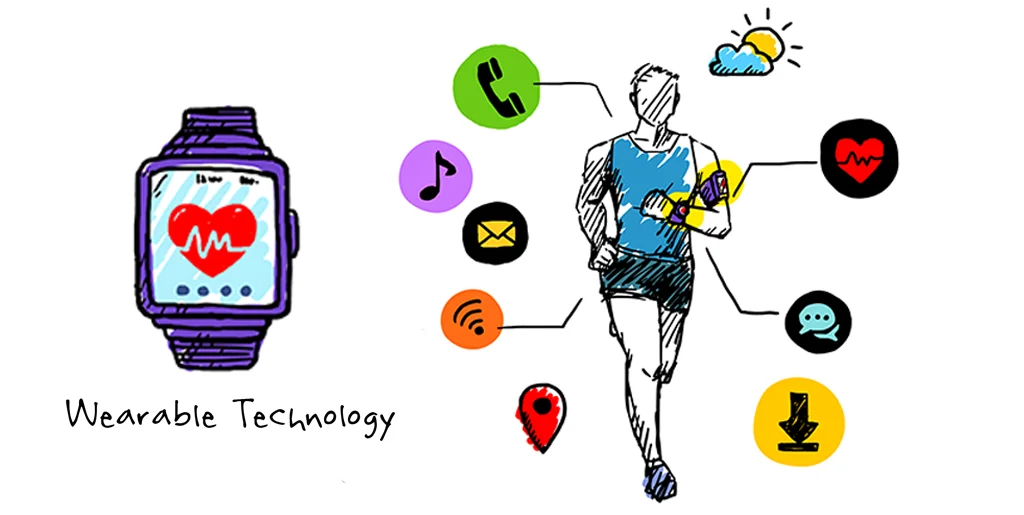
Most people start tracking their health with simple stuff: steps and sleep. You strap on a lightweight tracker or smartwatch, wear it for a week, and suddenly you’re staring at actual data about how you live. It’s an eye-opener. You spot habits you were totally blind to—like how that late-night greasy takeout utterly wrecks your deep sleep, or how a quick walk around the block after lunch clears brain fog far better than another espresso.
So you collect biometric data over weeks and months and all of a sudden you start to see patterns that tell a much deeper story about your systemic health. It might surprise you to know that your resting heart rate drops by three beats per minute in weeks you make physical activity a priority, or that drinking alcohol on a Friday night impacts your autonomic nervous system activity for as long as forty-eight hours afterward. This objective reporting of daily metrics gives a continuous feedback loop. It removes the self-deception and guesswork, providing you with concrete evidence of how even small lifestyle changes immediately affect your body’s resilience, metabolism and long-term vitality.
If you are just getting started on your journey toward better daily habits, exploring a structured framework for healthy lifestyle habits can help you turn those initial data insights into lasting routines.
Then come the subtle nudges. That gentle wrist vibration after you’ve been glued to a desk chair for two hours isn’t just an alert to clear—it’s a quiet reminder that you’re a human being who needs to stretch. Health organizations like the CDC recommend regular physical activity throughout the day to combat the risks associated with prolonged sitting, and these tiny wearable prompts make hitting those movement goals much easier.
Modern devices also watch metrics like heart rate variability to gauge stress. When your watch senses a sudden spike during a tense workday, it might suggest taking two minutes to just stop and breathe. Over time, these tiny check-ins re-wire your day. By combining tech alerts with mindfulness and life mentorship, you start paying attention to what your body is telling you long before a battery-powered sensor even needs to jump in.
Smart Eyewear: Where Tech Fits Into Real Life
While fitness bands feel completely normal now, wearable tech is creeping into new places. The biggest shift happening right now moves technology off our wrists and onto our faces. Old-school head-worn gadgets looked ridiculous—bulky, futuristic props that made people look like movie cyborgs. Modern smart eyewear is different. It looks, feels, and weighs like ordinary sunglasses.
Miniaturized sensors, batteries and microprocessors have transformed the optics industry. Now engineers can fit micro-speakers, directional microphones and high-resolution camera modules into standard acetate and titanium frames without moving the center of gravity or changing the overall aesthetic appeal. This evolution is a major step away from the overt, industrial hardware of the past toward invisible ambient computing. Technology is reoriented to naturally align with human sight lines and acoustic field peripheral awareness instead of constantly making users look down into a screen.
Take Ray-Ban Meta eyewear for hands-free use as a classic case in point. From the outside, they’re just stylish frames you’d wear anywhere. Tucked inside are tiny camera lenses, open-ear audio, microphones, and a voice assistant.
The real appeal here comes down to staying present. Say you’re at a beach sunset or watching your dog race through the park. If you want to capture it, you don’t have to pull out a cold glass rectangle, unlock a screen, open an app, and view the world through a monitor. You hit a small button on the frame or say a quick phrase, and keep living the moment. You can listen to music or take a call while walking outside, without shoving rubber tips into your ears or losing touch with traffic around you.
Balancing Tech and Real Well-Being
For all these genuine perks, there’s a real trap here: letting the numbers rule your mood.
It is way too easy to outsource how you feel to an app algorithm. You might wake up feeling rested and ready for a productive morning, only to check your watch, see a dismal “recovery score,” and instantly feel sluggish. According to sleep experts at the Sleep Foundation, over-analyzing tracking data can sometimes lead to orthosomnia—an unhealthy obsession with achieving perfect sleep metrics. Suddenly, you’re convincing yourself the watch knows your body better than your own nervous system does.
Keeping a healthy relationship with wearables requires setting hard boundaries and maintaining personal perspective. Tech should give you useful context, not run your life.
- Treat numbers as hints, never absolute truth. If you feel great but your watch claims you had terrible sleep, believe your body every single time.
- Aggressively trim your alerts. Your wrist shouldn’t buzz for random group chats, work emails, or social media likes. Limit vibrations to health nudges and genuine emergencies.
- Leave the gear behind once in a while. Put the watch on the charger during a weekend hike. Get used to listening to your natural energy levels without looking at a digital dashboard
You make wearable tech an unobtrusive health partner out of a hyper-fixation by setting up deliberate digital boundaries. “Tracking breaks” are a great way to periodically recalibrate your mind and reconnect with internal physical cues such as natural fatigue, organic hunger cues, and genuine energy spikes. When you go back to wearing your device, use the metric data to support your lifestyle habits, not as a way to tell you how you should feel on a given day.
Making Tech Match Your Actual Habits
At the end of the day, a wearable is just hardware. A fancy watch won’t make you fit on its own, and smart glasses won’t automatically make your day calm. What they do well is lower the effort it takes to stay mindful of daily habits.
The key is picking gear that serves a specific goal rather than buying into every shiny trend on social media. Figure out what you actually want to tweak—whether that’s moving more during long work shifts, building better routines through personal growth strategies, or getting offline earlier at night—and let the technology handle the background tracking. When it clicks, tech stops feeling like another distraction and becomes a quiet, helpful part of your daily flow.