

Blog
Clinical Perspectives on Patient Selection for First-Line HER2+ GEA treatment

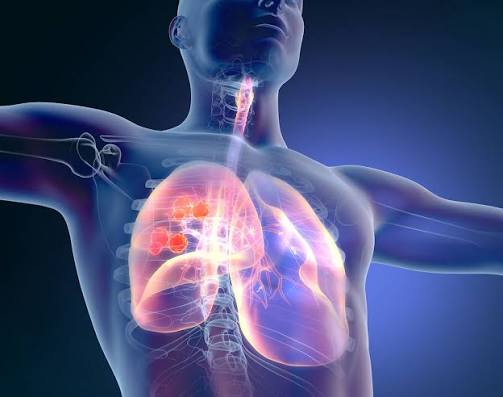
Adenocarcinomas of the gastroesophageal region (GEA) are complex tumors that occur in the stomach as well as the gastroesophageal junction and lower part of the esophagus. To offer the best possible treatment for patients with this type of cancer, careful consideration must be given to the characteristics of the primary tumor as well as to the patient’s overall health and the stage of the disease. An accurate diagnosis and a detailed clinical assessment of patients with HER2-positive GEA are necessary in order to select the appropriate treatment for first-line treatment.
The selection of patients for first-line treatment is of utmost clinical importance, as the choice of a particular treatment approach has the potential to affect patients’ disease and symptom management as well as their subsequent treatment and clinical care in general. It is necessary for health care providers to weigh the potential benefits and the potential harm of a particular treatment option and consider patients’ individual preferences, as well as other clinical, biological and pathological features.
Understanding HER2-Positive GEA
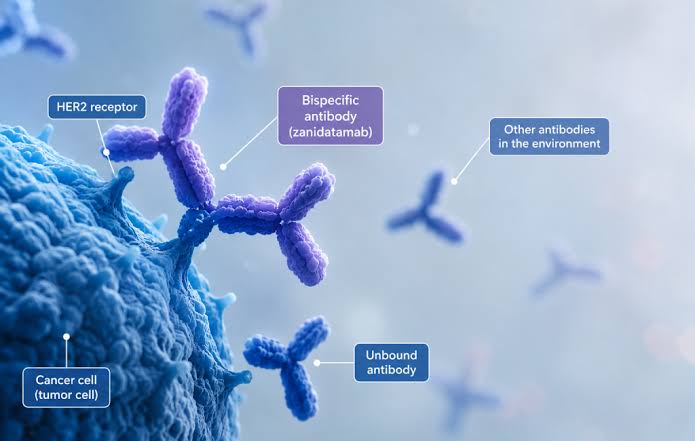
The HER2 protein is involved in the normal growth and division of cells. Some gastroesophageal adenocarcinomas will have an increased amount of HER2 protein on the surface of cancer cells or an increased number of copies of the HER2 gene in cancer cells. First-Line HER2+ GEA treatment may be treated with HER2-directed therapy as part of the overall treatment strategy. The status of HER2 in gastroesophageal cancer is determined and assessed by testing tumor tissue for the presence of HER2 protein and HER2 gene by means of immunohistochemistry (IHC) and in situ hybridization (ISH) respectively.
Assessing biomarkers in sufficient numbers and accurately to guide the cancer treatment of individual patients is more difficult than it may seem. When IHC results are uncertain or insufficient for a particular tumor, for example, ISH can be performed on the same formalin-fixed, paraffin-embedded tissue section to look for HER2 gene amplification. In some cases, additional tissue may be needed to perform appropriate tests.
Evaluating Clinical Factors Before Treatment
However, a simple positive result for HER2 expression in cancer cells does not necessarily mean that a patient is suitable for HER2-directed treatment. The extent of a patient’s disease, his or her general functional status, medical history and the cancer type all need to be taken into account for selecting appropriate first-line treatment with the possibility for systemic treatment.
Locally advanced vs. metastatic disease and extent of disease are further factors to consider in treatment decisions. Symptoms presented by the patient, location of the primary tumor and involvement of other organs by tumor are also of relevance when selecting appropriate treatment in order to define goals of treatment and needs of care.
Also, patients’ level of activity and fatigue, nutritional status, presence of comorbidities and other medical conditions, which affect patients’ quality of life and treatability, should be evaluated before deciding on the most suitable treatment for each individual case. A list of other present medical conditions, of organ function, of current medications (including herbal and nutritional supplements), and of previous cancer treatment(s) is also needed. These factors and others must be carefully weighed to ensure that the selected treatment option has a favorable risk to benefit ratio for the individual under consideration.
The Role of Biomarker Testing in Treatment Decisions
Biomarkers other than HER2 also need to be tested for GEA patients. For example, programmed death-ligand 1 (PD-L1), mismatch repair deficiency or microsatellite instability (dMMR/MSI) and other clinically relevant molecular features.
In addition to HER2 status other biomarkers such as Programmed death-ligand 1 (PD-L1), mismatch repair deficiency or microsatellite instability (dMMR/MSI) might be evaluated by the treating oncologist depending on the clinical situation of the patient.
An oncologist considers many factors when deciding on the first-line HER2+ GEA treatment for a patient. These factors would include the tumor(s)’ biomarker status as well as other aspects of the patient’s disease and overall health, and look at evidence that supports the use of various therapies, with due recognition of their potential benefits and limitations.
Considering Treatment Benefits and Potential Risks
The decision of First-Line GEA HER2+ treatment is based on evaluation of expected treatment benefit(s) versus treatment-associated risk(s), including potential side effects. In certain cases, HER2-targeted therapies are administered in combination with other anti-cancer agents.
As with any cancer treatment the clinician can describe the evidence that supports a particular treatment, outlining the expected benefits and potential adverse effects of treatment. Consideration must also be made to factors that may influence a patient’s ability to tolerate a particular cancer treatment and so consideration of a patient’s cardiovascular status, nutrition etc. is required.
Important to remember that even if a certain treatment is best for other patients, due to differences in cancer type, general health or priorities, another treatment might be better for a certain patient. Discussing goals and treatment options with patients is important to reach a treatment decision that is best for them.
Assessing Nutritional Status and Supportive Care Needs
Nutrition is a major component of GEA as the disease can cause effects on eating, consumption of food and fluids by mouth, digestion, and overall nutritional intake. In some cases, significant weight loss may occur prior to initiation of treatment and, therefore, assessment of nutritional status is an important component of evaluation of patients for treatment.
Eating difficulties are assessed by reviewing recent weight loss, a patient’s diet, their hydration, and the degree to which symptoms such as pain, breathlessness and fatigue affect eating. Nutritionists, nurses and other members of the cancer care team can provide patients with diet information and coping strategies for managing the effects of cancer and treatment on eating.
As well as treatment to control the disease, patients will need support to control symptoms and psychological effects of GEA and its treatment. GEA and its treatment can have many late effects which need to be managed by supportive care as well as treatment to control the disease.
The Importance of Shared Decision-Making
When selecting patients for first-line treatment for GEA it is important that clinical evidence is used in conjunction with the patient’s values and concerns about treatment and their goals for treatment and for living with their disease. For some patients control of their disease will be most important whereas for others the ability to continue to carry out daily activities may be most important.
It is also important to clearly explain to patients the reasons for proposed treatments as well as the required frequency of monitoring for side effects. Patients should also be given the option to have family members and/or caregivers present for discussions and decisions when preferred by the patient.
Multidisciplinary teams are essential in ensuring all dimensions of care are considered. Oncologists, pathologists and radiologists can provide insights into individual cases and the care that patients receive from specialist nurses and other members of supportive care teams can also be invaluable in ensuring that the best possible decisions are made for each patient.
Conclusion
The selection of patients for first-line management of HER2-positive GEA tumors involves a comprehensive assessment of biomarker status, tumor-specific characteristics and individual patient features. An accurate assessment of the patient’s status and clinical needs together with consideration of potential risk and supportive care requirements for treatment options must be made by the oncology team.
A treatment plan will be created by your oncology team through a process of shared decision making and will ensure that you are receiving the best treatment for your individual circumstances and goals. Regular monitoring and assessment of your needs will occur as your treatment is being delivered and throughout your cancer journey.