

Blog
How to Reduce Household Dust and Improve Indoor Air Quality

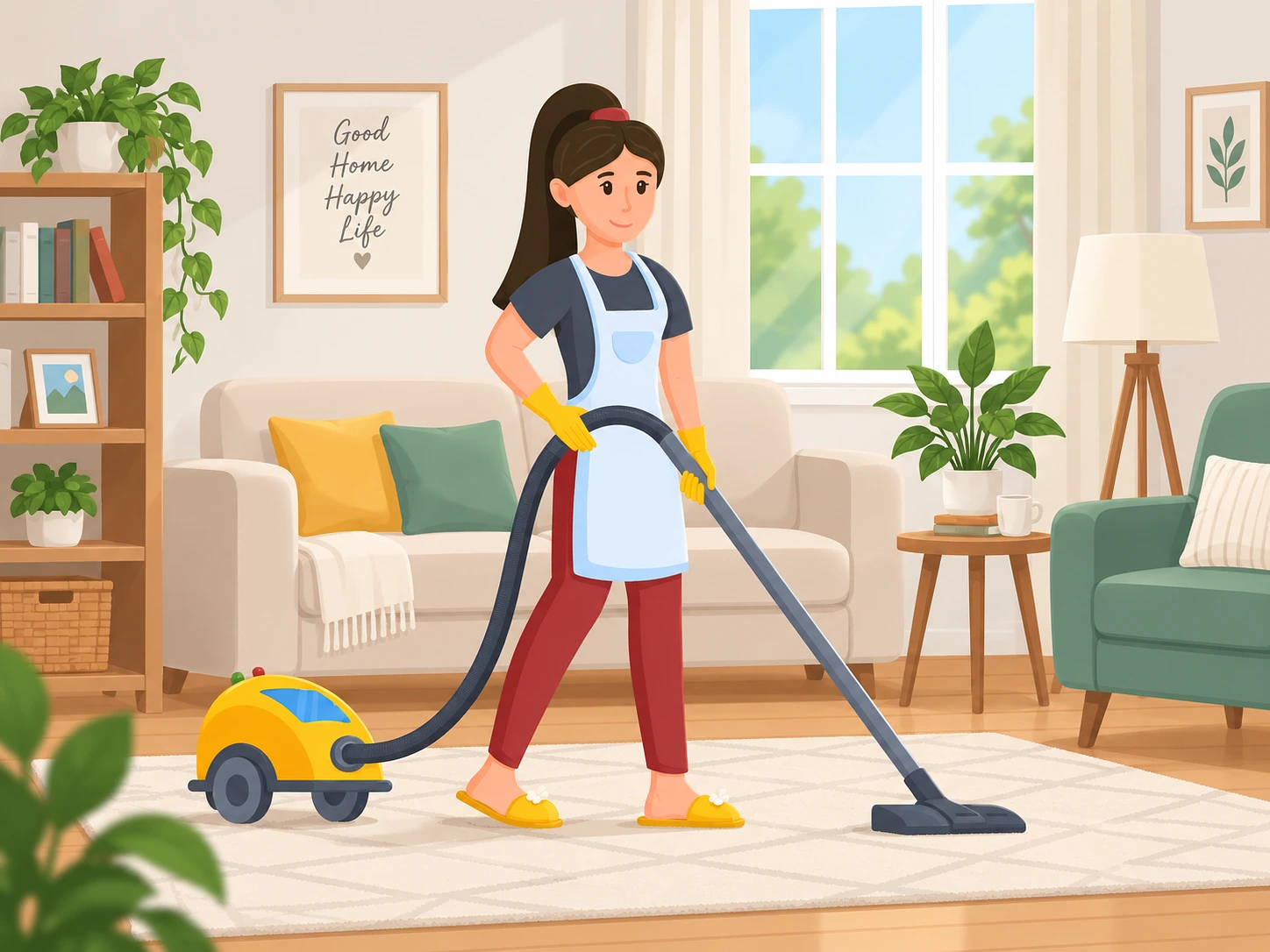
Most homes end up keeping dust down with a handful of habits rather than one fix, a damp cloth on the shelves, windows opened on the right days, less clutter for dust to land on and floors cleaned often. A robot vacuum fits into that last habit well, because it can run the floors most days without anyone having to remember to do it. How much it actually picks up will still depend on your flooring, how open the rooms are and whether its filter and brushes get looked after.
Most Of The Dust In Your House Came In Through The Door
Stopping dust at the entry is cheaper than chasing it once it has spread. A mat outside, a mat inside and shoes left at the door will cut what reaches the living room before any cloth comes out.
Soil on a shoe sole does not stay at the door. It gets ground into the first few yards of floor, dries, and then gets kicked up and carried further every time someone crosses the room, so a house where shoes stay on will usually show a gray line along the main walking path long before the corners look dirty.
- Two mats work better than one because they catch different things. The coarse outdoor mat scrapes off grit and the absorbent one inside takes what is left, and both need shaking out or vacuuming every week or they turn into a dust store of their own. Pets bring the same soil in on their paws, so a towel by the back door for a dog coming in from the yard does the same work as the mat.
- Windows are the other way in. Opening them on a still day is fine, but on a windy day or a day when pollen counts are high, you will be letting in a fair amount of what you are trying to clean up later.
Dust The Shelves Before The Floor, And Use A Damp Cloth
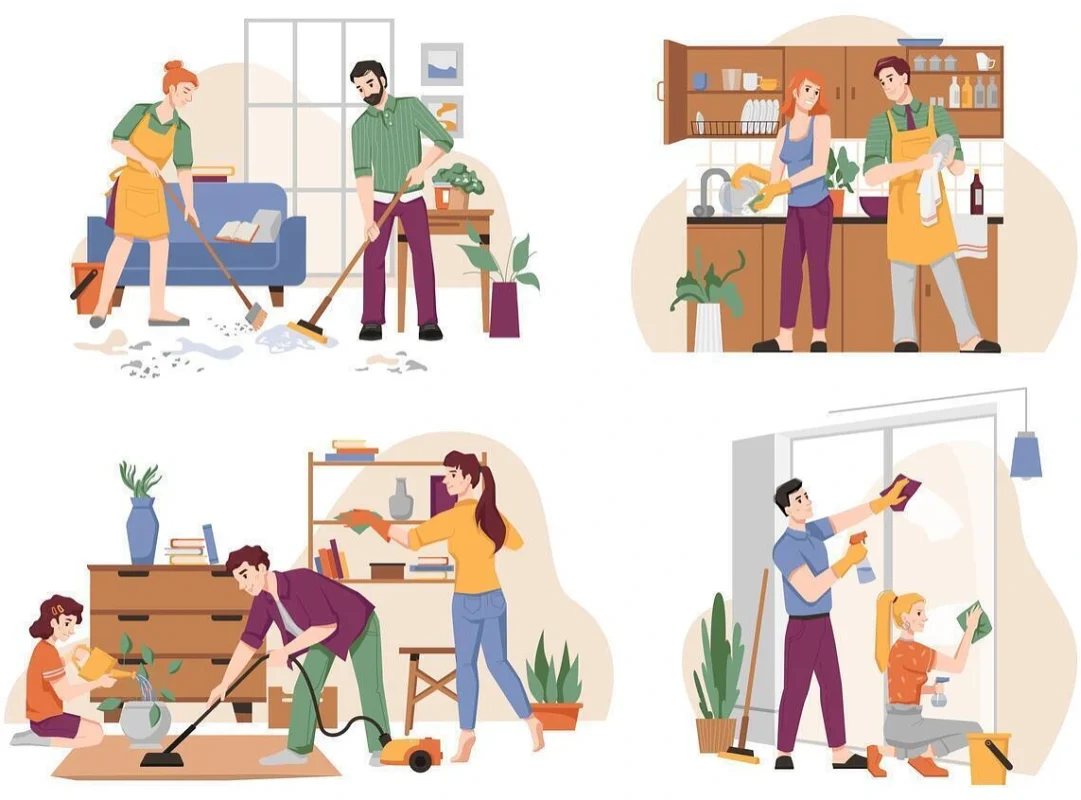
Dust falls. A shelf wiped after the floor has been vacuumed drops its load straight back onto the clean floor, so to Reduce Household Dust, the order runs from the top of the room down, ceiling fan and the top of the bookcase first and the floor last.
The cloth matters as much as the order. A dry rag or a feather duster pushes fine particles into the air, and they will settle again within the hour on the same surfaces you just finished. A microfiber cloth, slightly damp, holds the dust in its fibers instead of throwing it around, and it can go in the washer afterward. Microfiber cloths are cheap, though the very cheapest ones shed lint of their own, so a pack from a hardware store will serve you better than the dollar bin.
Ceiling fan blades are the classic mess here. Slide an old pillowcase over each blade, press down and pull it back toward you, and the dust ends up inside the case rather than on your head and the couch.
The Spots Where Dust Builds Up First In A Normal Home
What do these places have in common? They sit at an edge, above eye level or behind something, which is why a quick weekly clean tends to skip them:
- Baseboards and the floor edge where the vacuum head does not quite reach.
- Window blinds, which collect a gray stripe on every slat.
- The tops of door frames, picture frames and kitchen cabinets.
- Indor air quality vents and return grilles, where dust sticks to the slats.
- The back of the TV, the router and anything with a warm fan in it.
- Under the bed and the sofa, especially in a house with a dog or cat.
Vents deserve a closer look than they usually get, since a dusty return grille feeds the same dust back into the air every time the system runs. Changing the HVAC filter on the schedule printed on its frame will help more than wiping the grille alone.
Carpets, Beds And Sofas Hold The Most Dust And Show The Least
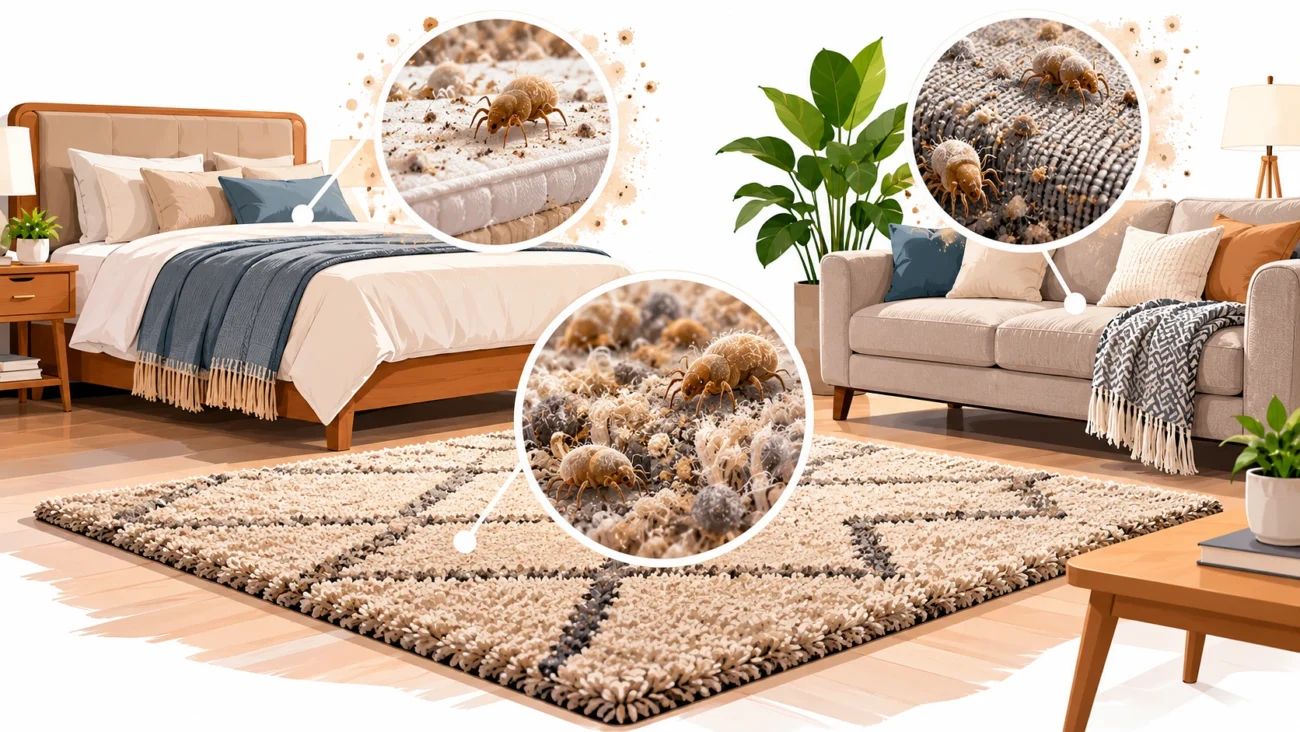
Soft things hide dust in their fibers, so a room can look clean while the rug underfoot is loaded. You would notice it only when the sun comes through the window at an angle and someone sits down hard on the couch.
Carpet And Rugs
Speed is the usual mistake. The brush roll needs time to loosen grit at the base of the pile, so slow passes in two directions will pull up far more than one quick pass across the room. Small rugs can still be taken outside and beaten over a railing, the old way, and they will give up a surprising amount.
Bedding
Dust mites live mostly in mattresses, pillows and bedding, where they feed on shed skin. The American Academy of Allergy, Asthma and Immunology and similar groups point people with mite allergies toward washing sheets weekly in hot water, around 130°F, along with zippered covers for the mattress and pillows. Pillows themselves can usually be washed or dry cleaned, which most people forget.
Upholstery
Fabric sofas shed their own fibers and soak up what settles on them, and the upholstery tool on a vacuum is the practical answer for weekly care. Leather and vinyl do not hold dust the same way, which is one reason allergy households often lean toward them.
How Often Each Cleaning Job Needs Doing In Different Homes
The right schedule depends on who lives in the house. A couple with hard floors and no pets is running a very different house from a family with two dogs and wall-to-wall carpet, so the table below gives a starting point to adjust from.
| Job | Low dust home | Pets or busy entry | Someone with allergies |
|---|---|---|---|
| Shake or vacuum entry mats | Every week | Twice a week | Twice a week |
| Vacuum floors and rugs | Once a week | Every 2 to 3 days | Every 2 to 3 days, HEPA vacuum |
| Damp dust surfaces | Every 2 weeks | Weekly | Weekly |
| Wash sheets | Weekly | Weekly | Weekly in hot water |
| Blinds, fan blades, vents | Monthly | Monthly | Every 2 weeks |
| HVAC filter | As printed on the filter | Sooner than printed | Sooner, higher rated filter |
Anyone in the house with asthma or a dust allergy might be better off out of the room while the vacuuming happens and for a little while after, since cleaning lifts dust for a time before it settles. If symptoms keep going no matter how clean the house gets, that is a question for a doctor rather than a new cleaning plan.
A Vacuum Only Helps If The Dust Stays Inside It
A vacuum pulls air through the floor and blows it out the back. If the filter is clogged or the machine leaks around its seals, the finest dust goes straight through and comes out the exhaust into the room you are cleaning.
A true HEPA filter catches 99.97 percent of particles at 0.3 microns, but only when the whole machine is sealed so the air has to pass through it. That is why two vacuums that both say HEPA on the box can perform very differently. The same rule holds whether it is an old canister vacuum, a cordless stick or a robot vacuum that runs every afternoon while the house is empty, because each of them will only be as good as three parts:
- The filter, cleaned or replaced on the maker’s schedule.
- The brush roll, with hair cut off it before it wraps solid.
- The dust bin, emptied before it is full and ideally emptied outdoors.
A robot vacuum is good at the thing people let slide, which is running the floors often enough that dust does not get a chance to build up, and in a house with a shedding dog that frequency matters. It will not climb onto a shelf or wash a pillowcase, so the rest of the routine still has to happen by hand. Less dust comes from stopping it at the door and catching it rather than moving it around. The house will never be dust free, but it can stay a lot closer to that than it is now.