

Blog
Modern Cataract Surgery Gives Patients More Choices Than Ever

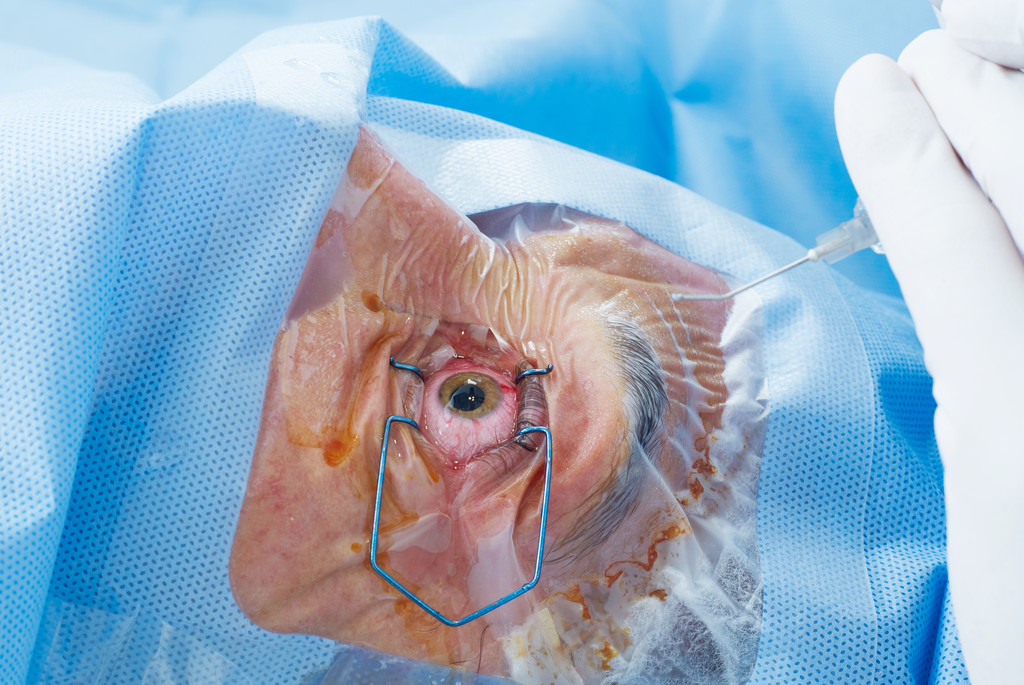
Modern cataract surgery gives patients more choices than many expect. The procedure still removes a cloudy natural lens and replaces it with a clear artificial lens, but today’s planning may include advanced measurements, laser-assisted steps, premium intraocular lens options, astigmatism correction, dry eye optimization, and a detailed conversation about daily vision goals.
Amjad Khokhar, M.D., F.A.A.O., thinks that patients comparing cataract surgery providers in Houston should look beyond convenience alone. The right setting should help patients understand their cataracts, lens options, candidacy, recovery, cost, and realistic expectations. Cataract surgery replaces the cloudy lens with an intraocular lens, or IOL, and the National Eye Institute explains that the doctor measures the eye before surgery to help choose the correct artificial lens.[1]
More cataract surgery choices can be empowering, but only when patients understand what each choice means for everyday life.
Why More Options Can Make the Decision Feel Overwhelming
More options can make the decision feel overwhelming because patients are not only choosing surgery. They are choosing a vision plan. Some patients want the simplest approach. Others want less dependence on glasses. Some care most about distance driving. Others care about reading, phone use, computer work, or night vision.
Cataracts can cause blurry vision, hazy vision, less colorful vision, and trouble with everyday activities over time. Surgery can remove the cataract, but the artificial lens implant helps shape the patient’s vision afterward. Cataract surgery clears the cloudy lens, but the choices around surgery guide what happens next.
Patients may hear about monofocal lenses, toric lenses, multifocal lenses, extended depth of focus lenses, light adjustable lenses, laser cataract surgery, and premium lens packages. Those choices can sound technical.
The purpose of consultation is to translate those options into practical questions:
- What do you want to see?
- What does your eye health allow?
- What tradeoffs are acceptable?
What Standard and Premium Lens Implants Can Offer

Standard and premium lens implants can offer different benefits depending on patient goals. Monofocal IOLs are commonly used and are typically set for one focusing distance.[3]
Many patients choose distance vision with a monofocal lens and use reading glasses afterward.
Premium lens options may include toric lenses for astigmatism, multifocal lenses for multiple focusing zones, extended depth of focus lenses for a broader range of vision, and adjustable lenses for postoperative refinement. These options may help selected patients reduce dependence on glasses, but they require careful candidacy evaluation.
Cochrane evidence found that multifocal IOLs may reduce spectacle dependence and improve near vision compared with monofocal lenses, but multifocal lenses may also increase glare and halos in some patients.
Premium lens implants may offer more visual range, but more range can come with more tradeoffs.
Patients should ask what they will likely see clearly without glasses, what activities may still require glasses, and how night driving may feel. They should also ask whether eye health makes a premium lens advisable or less suitable.
How Light Adjustable and Advanced Lenses Change the Conversation
Light adjustable and advanced lenses change the conversation because some modern IOLs allow more personalization than traditional options. The FDA approved the RxSight Light Adjustable Lens and Light Delivery Device as the first implanted lens system that can be adjusted after cataract surgery to improve vision without eyeglasses in some patients.[5]
This type of technology can appeal to patients who want refinement after the eye begins healing. However, it also requires commitment. Patients using a Light Adjustable Lens need postoperative light treatments and must follow UV protection instructions during the treatment period.[5]
Other advanced lenses may focus on astigmatism correction, intermediate vision, near vision, or a greater range of useful vision. The right choice depends on anatomy, goals, lifestyle, and willingness to accept possible optical symptoms.
Advanced lenses are not better because they are newer. They are better only when they fit the patient’s eye and goals.
Patients should ask how many visits are needed, what the lens can realistically improve, what symptoms may occur, and what happens if the visual result needs refinement.
Why Clear Vision Goals Help Your Surgeon Guide You Better

Clear vision goals help the surgeon guide patients better because “better vision” means different things to different people. A patient who drives every night may care most about distance, clarity, and low glare. A patient who reads often may care about near vision. A patient who works at a computer may care deeply about intermediate vision.
The American Academy of Ophthalmology notes that lifestyle, visual needs, and overall eye health are important factors when choosing an IOL for cataract surgery.[6]
Amjad Khokhar, M.D., F.A.A.O., says that cataract surgery planning is about helping patients understand their eye health, lens options, and recovery expectations so each treatment plan supports clearer vision and daily confidence.
The best lens discussion starts with the patient’s daily routine, not the lens catalog.
Patients should describe how they use vision from morning to night. They should mention screens, reading, driving, hobbies, work, sports, glare sensitivity, and whether they are comfortable wearing glasses for some tasks. The clearer the goals, the more specific the surgical plan can become.
What Safety and Candidacy Should Mean Before Surgery
Safety and candidacy should mean that the surgeon evaluates the whole eye, not just the cataract. The cornea, tear film, retina, macula, optic nerve, pupil, and general eye health all affect final visual quality.
A patient with healthy eyes and strong motivation for glasses independence may have more options. A patient with glaucoma, macular degeneration, diabetic retinopathy, corneal irregularity, previous LASIK, or severe dry eye may need a more cautious lens recommendation.
Femtosecond laser-assisted cataract surgery is another area where candidacy and expectations matter. An American Academy of Ophthalmology assessment concluded that femtosecond laser-assisted cataract surgery and conventional phacoemulsification have similar excellent safety and refractive outcomes, and that one technique is not superior to the other for every patient.
Safe cataract planning means choosing what fits the eye, not what sounds most advanced.
Patients should ask what testing is needed, whether the retina and optic nerve are healthy, whether dry eye should be treated before measurements, and whether laser technology or premium lenses are appropriate for their eyes.
How Recovery Fits Into Work, Driving, and Daily Life

Recovery fits into work, driving, and daily life because cataract surgery does not end when the patient leaves the surgical center. The National Eye Institute explains that after surgery, patients go home after a short recovery period and use eye drops to help the eye heal.[1]
Patients should ask when they can return to work, drive, exercise, wear makeup, use screens, and resume normal routines. The answers may vary based on the surgeon’s instructions, the patient’s healing, whether both eyes are being treated, and whether advanced lens technology requires additional visits.
Recovery is not only a medical timeline. It is a plan for getting back to real life safely.
Patients should report severe pain, sudden vision loss, increasing redness, discharge, or symptoms that feel unusual. Follow-up visits allow the care team to check healing, eye pressure, inflammation, lens position, dryness, and visual progress.
Why Trust, Technology, and Communication All Matter
Trust, technology, and communication matter because cataract surgery decisions can feel complex. Technology can measure the eye, support surgical precision, and expand lens options. Trust helps patients feel comfortable asking questions. Communication helps transform medical choices into understandable decisions.
Patients should not feel rushed into a lens choice. They should understand what a standard lens can offer, what premium lenses can offer, what laser assistance may or may not change, what costs may be out of pocket, and what recovery requires.
Technology can improve cataract planning, but communication helps patients choose with confidence.
A strong consultation should explain both benefits and limitations. Patients should understand whether they may still need glasses, whether glare or halos are possible, whether dry eye could affect results, and whether the chosen plan matches long-term eye health.
Confident Cataract Choices Begin With the Right Questions
Confident cataract choices begin with the right questions. Patients should ask what lens options fit their eyes, whether they have astigmatism, whether laser cataract surgery is recommended, whether premium lenses are appropriate, what glasses may still be needed, and what recovery will involve.
Patients evaluating a cataract surgery should ask about diagnostic testing, lens counseling, dry eye management, laser technology, follow-up care, cost transparency, and surgeon communication. The goal is not to choose the most advanced option automatically. The goal is to choose the option that fits the patient’s eye health and life.
Modern cataract surgery gives patients more choices, but the best choice is the one that turns clearer vision into a practical daily benefit.
Cataract surgery can restore clarity by replacing a cloudy lens. Modern planning helps patients understand how that clarity may support driving, reading, work, hobbies, independence, and confidence.
References
- Cataract Surgery,” by National Eye Institute, updated December 5, 2024.
- Cataracts,” by National Eye Institute, updated November 26, 2025.
- IOL Implants: Lens Replacement After Cataracts,” by American Academy of Ophthalmology, updated October 30, 2024.
- Multifocal Versus Monofocal Intraocular Lenses for People Having Cataract Surgery,” by Cochrane, published December 12, 2016.
- FDA Approves First Implanted Lens That Can Be Adjusted After Cataract Surgery to Improve Vision Without Eyeglasses in Some Patients,” by U.S. Food and Drug Administration, published November 22, 2017.
- Factors to Consider in Choosing an IOL for Cataract Surgery,” by American Academy of Ophthalmology, published March 31, 2025.
- Femtosecond Laser-Assisted Cataract Surgery,” by C. C. Lin et al., published 2022.
Sau vài hôm trải nghiệm đăng nhập hb88 , mình thấy hệ thống hoạt động khá ổn định. TONY06-25