

Blog
Why pickleball stuck where other fitness trends didn’t

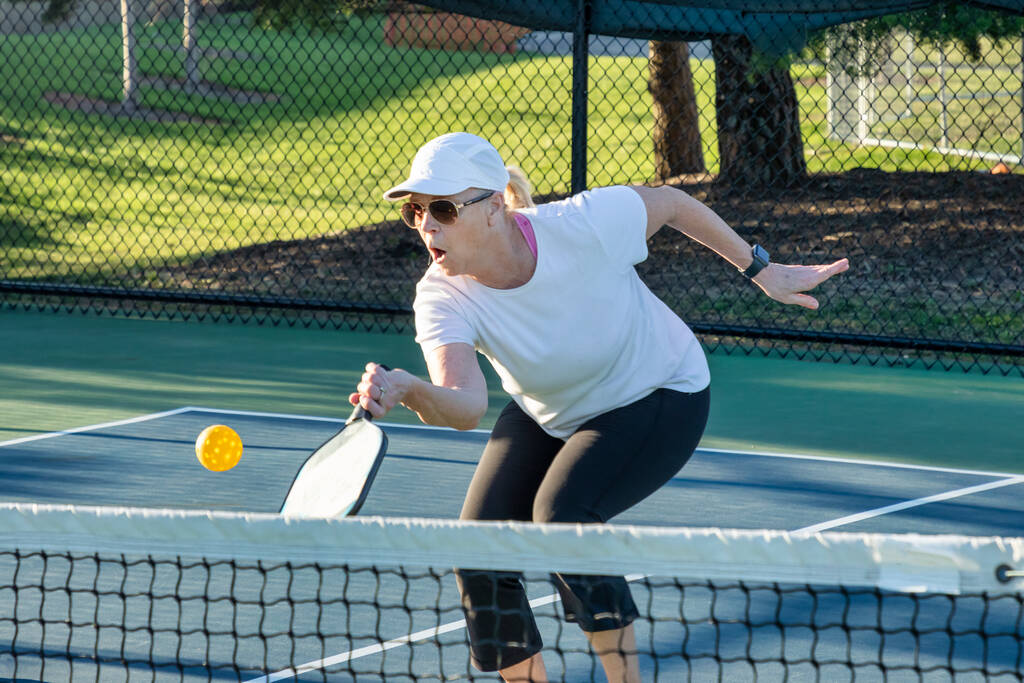
Drive past almost any park in St. Louis on a Saturday morning and the sound is the same. That hollow plastic pock pock pock of a perforated ball hitting a paddle, six or eight games running at once on what used to be a single tennis court, and a waitlist of people standing courtside waiting their turn. Five years ago that scene would’ve been unusual. Today it’s the default. The shift has been fast enough that the city’s recreation infrastructure is still catching up, which is part of why programs like pickleball in St. Louis at the Missouri Athletic Club have become the easiest entry point for people who actually want consistent court time without the morning scramble for a public spot.
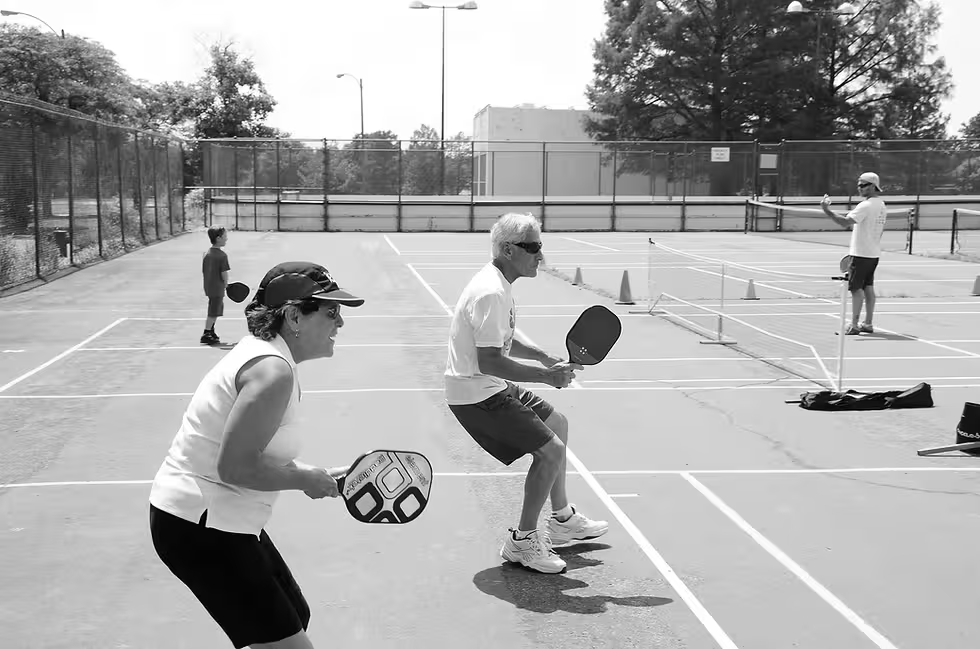
I want to talk about why this happened here specifically, what the St. Louis scene actually looks like, and what someone picking the sport up in this city should know before they spend money on a paddle.
The Midwest Weather Problem (And Why It Shaped the Local Scene)
St. Louis pickleball has a structural quirk that pickleball in, say, Phoenix or Sarasota doesn’t have. We get roughly four months a year where outdoor play is comfortable, another four where it’s marginal, and another four where it’s effectively impossible. January wind off the river will end your session in twenty minutes. July humidity at three in the afternoon is its own kind of punishment.
What that means is the city’s pickleball scene has organized itself around a hybrid model that warmer-climate cities don’t need. Outdoor play dominates April through October, mostly at public parks where courts have been striped for pickleball over old tennis surfaces. Indoor play carries the rest of the year, and indoor capacity is where the bottleneck shows up. There simply isn’t enough indoor court space in this metro to absorb the demand during winter months, which is why structured club programs have grown faster here than in cities where you can play outside year-round.
If you’re getting into the sport here, that’s the first thing to plan around. Your access in June is not your access in February. People who only set up summer outdoor access often disappear from the sport by Christmas because they didn’t think through where they’d play when the temperature drops.
What the St. Louis Public Court Situation Actually Looks Like
The city and county have added pickleball striping to dozens of existing tennis courts over the past few years. That’s been the fastest expansion path because it doesn’t require new construction. The downside is that shared tennis-pickleball courts get tense fast on weekends when both groups want them, and the pickleball side usually wins on volume but loses on schedule consistency.
A few honest observations about public courts in this metro:
- Morning sessions, especially weekday mornings, are dominated by retired and semi-retired players. The skill level varies wildly but the social bar is low and most groups will rotate a new person in within a few minutes.
- Weekend afternoon play at the most popular parks is full-contact in terms of wait time. Two hour waits for a court on a nice Saturday in May are not unusual at the busier locations.
- Lights are inconsistent. Some courts have them, most don’t. That cuts your usable hours sharply in winter when sunset is at 4:45.
- Etiquette around paddle-stacking and game rotation is mostly self-enforced, which works until it doesn’t.
For people who want predictability, public courts during peak demand are a frustrating answer. Which is one of the main reasons the club model has grown so fast here.
Where Club Programs Fit
The Missouri Athletic Club and similar clubs in the area cover the gap that public courts can’t. The pitch is straightforward — guaranteed court time, structured programming, instruction at multiple skill levels, indoor courts in winter, and a regular roster of people at similar skill levels so you’re not rolling the dice on who you’re playing every session.
Structurally, a solid club pickleball program runs along a few tracks at once. Beginner clinics for people learning serves, returns, dink shots, and the kitchen rule. Intermediate drills for people who can sustain rallies and want to start working on shot placement, third-shot drops, and positioning. Open play sessions sorted by skill level so the matchups are competitive instead of mismatched. And usually a social or league track for people who want regular tournament-style play without traveling to actual tournaments.
The thing club programs solve that public play can’t is progression. On a public court you mostly play whoever shows up, which means you spend a lot of time either getting demolished by stronger players or carrying weaker ones, and neither is great for improvement. Structured drilling with a coach is how people actually get better, and the people I’ve watched go from “just picked up a paddle” to “competitive 3.5 player” in under a year all did it through some kind of structured program rather than purely open play.
A Realistic Beginner Path for This City
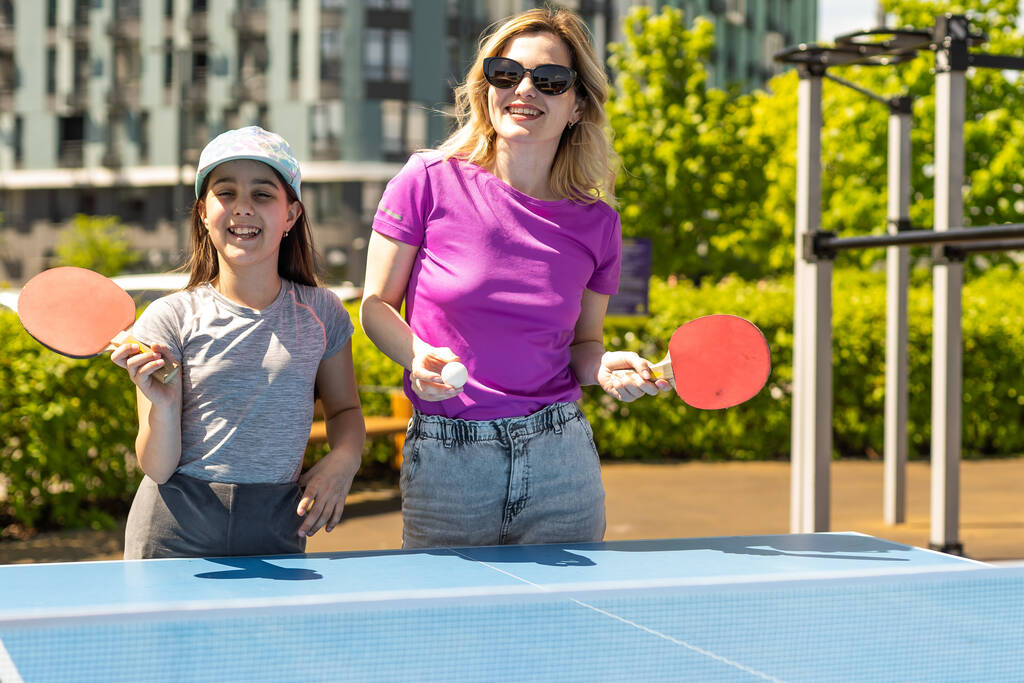
If you’re starting in St. Louis from zero, the path that actually works for most adults looks like this:
- Buy a mid-range paddle, not the cheapest one and not the most expensive. $80 to $130 puts you in a paddle that won’t hold you back as you improve. Skip the $25 set from a big box store. Skip the $250 carbon-fiber tournament paddle until you know what playstyle you have.
- Take three to five hours of beginner instruction before you spend much time on open play. Either through a club program or a private lesson with a certified coach. The reason is mechanical — the most common bad habits people develop in pickleball come from learning the sport in unstructured open play, where nobody is correcting your grip, your paddle face angle, or your footwork. Bad habits learned in the first month take six months to undo.
- Pick one indoor source and one outdoor source for play. This is the St. Louis-specific advice. Don’t rely entirely on outdoor public courts, because you’ll lose four months a year and likely lose momentum entirely.
- Find a regular partner or a regular group at your skill level. The single biggest predictor of whether someone sticks with the sport past the first few months is whether they have people they actually play with on a schedule, not just whoever shows up at the park.
Why This Sport Is Going to Keep Growing Here
The reason pickleball took root in St. Louis specifically isn’t mysterious. The sport has a low physical barrier to entry, a fast skill ramp, a social structure that works for adults whose tennis or running days are behind them, and an existing infrastructure of underused tennis courts that converted easily. The growth curve isn’t going to flatten anytime soon, because the demographic most drawn to the sport — adults 45 and up looking for something physical, social, and not hard on the joints, is a demographic this metro has plenty of.
The question for anyone getting into it isn’t whether the sport will still be here in five years. It will. The question is whether you’ll have built the kind of regular access that gets you through a St. Louis winter, or whether you’ll be one of the people who played a great summer and then quietly disappeared in January.
Plan for the year, not the season. The sport rewards it.