

Blog
Understanding Fault vs. No-Fault Laws


In 2024, 4.16 percent of collision insurance policyholders had a claim, while 3.95 percent of people with comprehensive coverage had a claim. This figure shows the dependency of drivers on insurance coverage after accidents or other incidents.
Your car insurance claims process following an accident will depend on your knowledge of fault and no-fault laws.
States either follow a fault or a no-fault law. Is Louisiana a no-fault state? Louisiana uses a fault-based system to determine responsibility for accidents that occur within its borders. Drivers who cause accidents must pay for damages in fault states, but no-fault laws permit you to receive compensation from your insurance provider.
Your legal rights and financial results will be determined by this particular difference. The way these laws affect your coverage decisions requires you to evaluate your personal circumstances.
Let’s discuss the distinction between these two systems and how they affect claims.
What Are Fault and No-Fault Insurance Laws?
Fault-based insurance systems need proof of negligence to establish liability. This will allow victims to receive complete reimbursement for their damages and suffering.
Under no-fault systems, drivers can receive quicker medical expenses and lost wage compensation from their insurance regardless of who was at fault. In this case, proof of who caused the accidents is also not required. On the other hand, it will limit their ability to sue for the pain and damages they suffered.
The driver who is the reason for an accident must pay for all resulting damages in fault insurance states, which include both medical expenses and property damage.
Conversely, no-fault insurance rules require you to get compensation from your insurer, no matter who was in the wrong. This system improves claims processing by reducing the need for prolonged court cases. The disadvantage of this system concerns the determination of liability.
The claims process works better when you understand which system operates in your state.
Understanding the fault system in your state will give you options about entitlements and obligations.
Differences Between Fault and No-Fault States

States that follow fault-based insurance systems follow a certain procedure. First, they must submit a claim to the insurance company of the driver who caused the accident.
No-fault insurance regulations mandate that you seek compensation from your insurer regardless of who is to blame. It improves the claims process by minimizing lengthy litigation.
Impact of Fault Laws on Claims?
Claims are processed based on fault laws that determine the party liable for paying for damages caused in an accident.
In fault states, you must establish liability to obtain compensation. It’s important to find out who should be legally responsible for the accident to pursue a claim.
In this case, gather evidence from the scene of the accident. Ask for statements from the witnesses. Ask for a copy of the police report that proves the other party’s liability. The process may take time and will result in delayed access to funds needed for medical expenses and repair work.
The situation requires you to hire a lawyer if you believe that these requirements are too much for you to handle. According to the law firm Ainsman Levine, LLC, an attorney will guarantee that your case gets filed at the proper time. They can establish a strong recovery case, which will protect your interests. Lawyers can demonstrate negligence, which will assist you in progressing your claims.
Your compensation gets reduced by your percentage of fault when you get found partially at fault. The claims process gets extended through shared liability because it creates room for negotiations between parties.
Being knowledgeable about fault laws will help you handle your insurance claims and prepare you for future challenges. A no-fault insurance system provides drivers with multiple benefits.
Advantages of No-Fault Insurance for Drivers
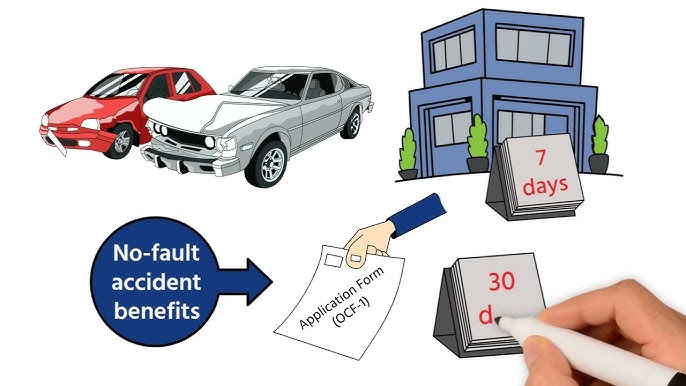
Drivers who face challenges with fault laws find no-fault insurance to be an advantageous solution.
The primary advantage allows you to access benefits sooner since you will receive medical and wage compensation without waiting for fault determination. This feature of no-fault insurance can relieve stress during an already difficult time.
No-fault insurance decreases the number of cases that require court proceedings, which decreases the chances that you will face protracted legal disputes. The process saves both time and costs associated with legal expenses.
No-fault coverage guarantees steady insurance costs by quickly resolving disputes without finding the guilty party in accidents.
It provides mental peace, which in turn allows for concentrating on the productiveness of the healing processes without being drawn back into legal guidelines.
Choosing the Best Coverage for Your Situation
When selecting suitable insurance coverage, there are factors you need to consider. First, you must assess your driving habits and the specific road dangers you will likely face.
Drivers who work in populated regions should consider comprehensive coverage. This will protect their vehicles from both theft and damage.
Drivers who follow safe driving practices can obtain adequate protection from basic liability insurance. Next, think about your budget. You should compare the premium expenses with the possible costs that you will face during an accident.
Your monthly expenses will decrease if you select higher deductibles that you can handle financially. You need to check your state’s insurance requirements. Some states require basic coverage, while other states maintain more flexible coverage requirements. Choose a plan that meets all legal standards and provides you with the specific protection that you need.
Understanding fault and no-fault insurance systems also helps resolve conflicts in car accidents. The knowledge of liability rules in fault states allows you to prepare for legal proceedings while no-fault systems permit you to interact with your insurance company for claims processing. The identification of these main differences will help you choose your insurance coverage better and manage post-accident situations more effectively.