

Blog
The 3-Minute Reset: How Cold Water Silences Pain and Anxiety

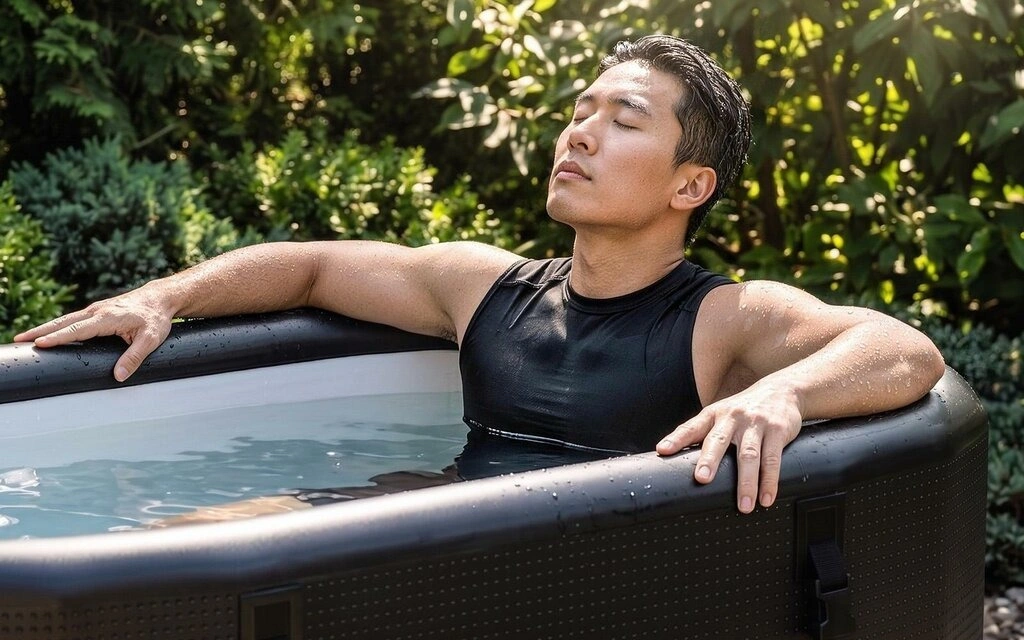
Most of us spend a good chunk of our week dealing with some form of physical or mental wear and tear. Whether it’s that nagging neck stiffness from staring at a computer screen all day, muscles that are incredibly sore after a tough training session, or just that constant, background hum of anxiety that makes it impossible to turn your brain off at night, the search for a real reset is endless.
Standing on the edge of a tub of water chilled to 50°F to 59°F (10°C to 15°C) and willingly stepping in might sound like a punishment. But once you dig into the actual neurobiology of what cold stress does to the human body, it becomes pretty clear why cold water immersion (CWI) is one of the most effective ways to silence both physical aches and mental chatter.
Here is a look at what actually goes on inside your body and brain when you take the plunge and how it helps reset an overloaded nervous system.
1. Silencing the Body: How Cold Water Blocks Pain
When you submerge your body in cold water, your skin receptors instantly send a massive rush of signals to your central nervous system. This isn’t just a shock to your senses; it triggers some highly effective, natural pain-relief mechanisms at a deep physiological level.
The “Gate Control” Effect
The pleasant numbness you feel after a minute or two in the cold is driven by a neurological mechanism called the Gate Control Theory. In short, the nerve fibers in your body that transmit cold sensations travel to your brain much faster than the fibers that carry dull, chronic pain. When you plunge, the intense cold signals essentially crowd the neural highway and lock the “gate” behind them, blocking the slower pain signals from ever reaching your brain. It acts like a temporary, natural nerve block, giving an aching lower back or stiff shoulders a much-needed break.
The Natural Circulatory Pump
The second cold water hits your skin, your blood vessels violently constrict (vasoconstriction) to keep your vital organs warm. But the real benefits happen after you step out. As your skin warms back up, those vessels dilate rapidly (vasodilation), sending a massive rush of fresh, oxygen-rich blood back to your extremities. This squeeze-and-release action works like an internal pump, flushing out built-up inflammatory fluids and delivering the exact nutrients your muscle fibers need to repair.
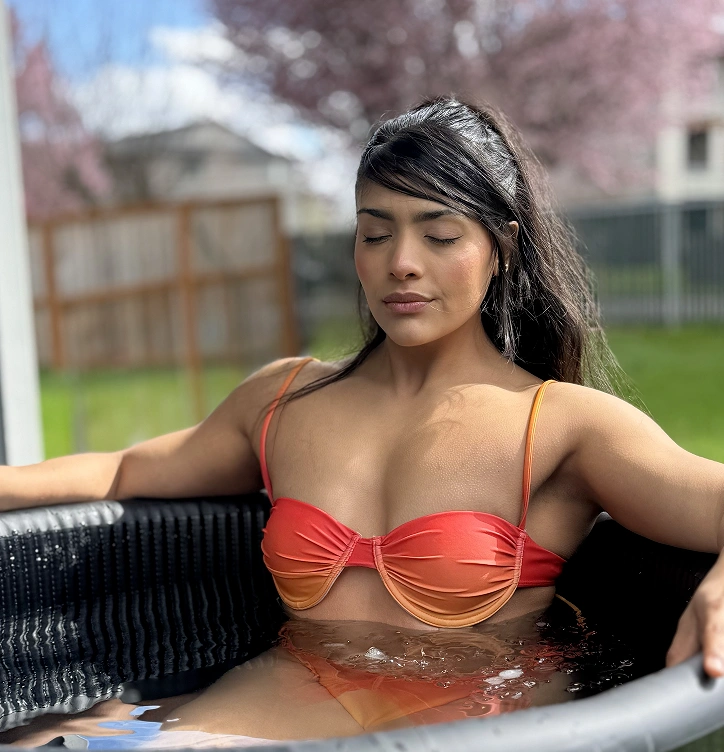
2. Resetting the Mind: Forcing an Anxiety Freeze
While physical recovery is a major benefit, the mental clarity is why cold water therapy has gained so much traction lately. In neurobiology, using your physical body (physiology) to change your mood (psychology) is often much more effective than trying to simply “think” your way out of stress.
Cutting the Mental Static
When anxiety strikes, your brain can feel like a web browser with dozens of tabs open at once, constantly looping over to-do lists, daily stressors, and unpredictable scenarios. The millisecond cold water hits your chest, your brain shifts into survival mode. The sheer temperature shock forces all of your attention entirely onto the physical present. Overthinking is instantly replaced by a sharp focus on your immediate environment and your breathing, providing a forced, meditative “restart” that breaks the loop of anxiety in seconds.
Building Stress Tolerance (The Vagus Nerve)
Most modern lifestyles keep our “fight-or-flight” sympathetic nervous system dialed up constantly. Cold plunging acts like weight training for your parasympathetic nervous system—the side responsible for rest, recovery, and relaxation. The cold strongly stimulates the vagus nerve. By forcing your body to stay still and taking long, slow exhales in the freezing water, you actively train your brain to stay calm under intense pressure. Over time, this biological resilience translates directly to daily life, making it much easier to handle high-pressure situations at work or home without panicking.
3. Beating “Habit Friction”: Why a Consistent Setup Matters
The science behind cold water therapy is compelling, but behavioral psychology shows that if a routine involves too much preparation or hassle, it rarely becomes a long-term habit.
The manual route of hauling heavy bags of ice from the store, dumping them into a standard tub, and guessing the temperature creates high behavioral friction. When the preparation process is frustrating and inconsistent, it becomes incredibly easy to skip the practice altogether.
To turn cold water therapy into a seamless, low-friction daily ritual, a reliable setup is key:
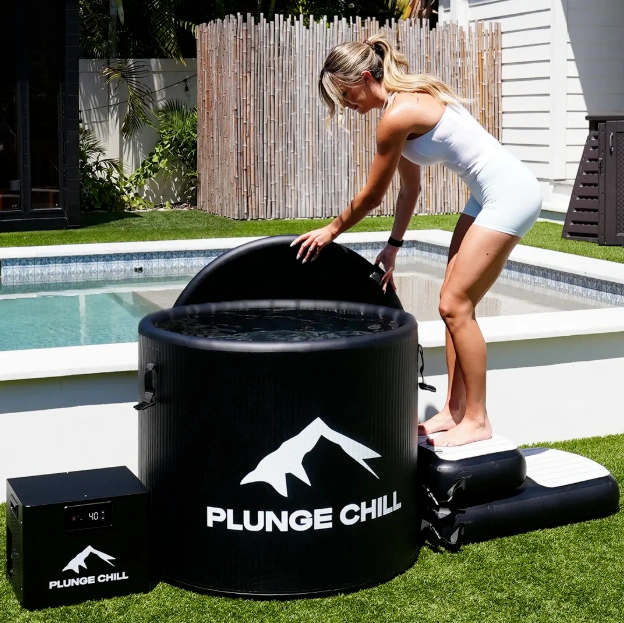
- Predictable, Effortless Cold: Your nervous system needs a reliable, controlled environment to feel safe enough to adapt. This is why replacing manual ice bags with a dedicated ice bath chiller is essential. Utilizing a powerful, consistent system like Plunge Chill ensures the water is locked exactly at your target temperature at the press of a button, removing all prep work and guesswork.
- A Supportive Physical Environment: Since the goal is stress reduction, your setup should never feel like a punishment. High-density, drop-stitch PVC tubs offer a far more practical, comfortable alternative to heavy, rigid, and freezing-cold acrylic shells. High-grade PVC handles harsh outdoor elements without warping or cracking, providing a durable, structurally sound, and insulated space where it is easy to lean back, close your eyes, and focus entirely on your breathing.
4. Safety Guidelines for Practical Implementation
To keep your cold water routine safe, sustainable, and effective, keep these fundamental principles in mind:
- Stay in the Golden Window: Keep the water temperature between 50°F and 59°F. Dropping below 45°F does not provide any extra neurological or physical benefits; it only increases the risk of nerve pain, tissue damage, and severe cold shock.
- Master the “Physiological Sigh”: When first submerging, your body will naturally want to gasp. To override this panic reflex, take two quick, sharp inhales through your nose, followed by one long, extended exhale through your mouth lasting 6 seconds or more. Repeating this three times stabilizes your heart rate almost instantly.
- Respect Medical Red Lines: Avoid cold immersion entirely if you are dealing with underlying heart conditions, irregular heartbeats, uncontrolled high blood pressure, or pregnancy. Those with advanced diabetes should consult a physician first, as peripheral neuropathy can reduce skin sensitivity and make it difficult to feel extreme cold safely.
Conclusion
Physical discomfort and mental anxiety are often clear signals from the body that the nervous system is overloaded. Cold plunge therapy isn’t about testing your structural toughness; it is a controlled, three-minute window to clear out neural static and reset your circulation. By reducing the physical friction of the routine with a reliable, constant setup, this simple practice can smoothly transition from a daunting challenge into a foundational daily ritual for mental calm and physical relief.