

Blog
Sleep Light On: How It Impacts Your Sleep Quality and Health


One thing that is always asked when sleeping is whether it is okay to sleep with the light on. Some individuals use lamps or hallway lights glowing through the night, unaware of how much it can impact their sleep. Sleep experts said that keeping your sleep light on can disrupt your body’s natural sleep cycle and prevent you from reaching the deeper sleep stages you need.
If you keep your light on at night, it signals your brain to stay awake rather than winding down. This disruption can make you feel groggy and can even pose long-term health issues if it becomes a habit.
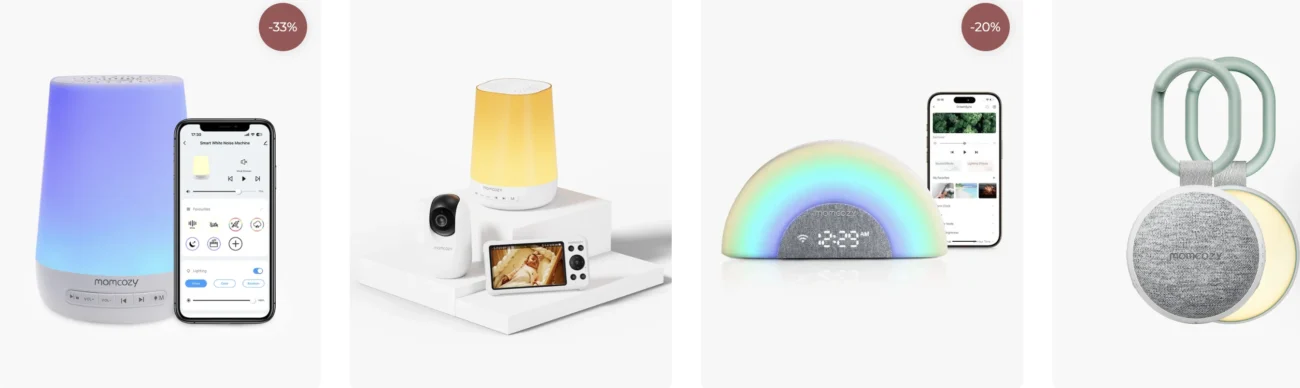
If you’re one of those people who find complete darkness uncomfortable, you can use a dim, warm nightlight with soothing background sounds, like an infant white noise machine, to create a more relaxing sleep environment so you can rest comfortably without sacrificing your body’s natural sleep cycle.
The Great Debate: Should You Sleep with the Light On, and What’s the Harm?
We, humans, are diurnal animals, which means that we usually sleep at night and are awake during the day. Light is known to affect sleep indirectly by modifying the length of our circadian rhythms. In simple terms, it can improve or diminish your sleep health depending on the timing of when you expose yourself to it.
So, to answer the question, should you sleep with the light on? The answer is no. Sleeping with any light source, especially blue or white light, can interfere with your body’s natural sleep rhythm. Other than signalling your brain to stay alert, it also reduces melatonin production. Dimming or turning off the lights before bed helps your mind relax and prepares your body for a more restful sleep.
The Melatonin Blockade: How Light Suppresses Your Brain’s Sleep Hormone
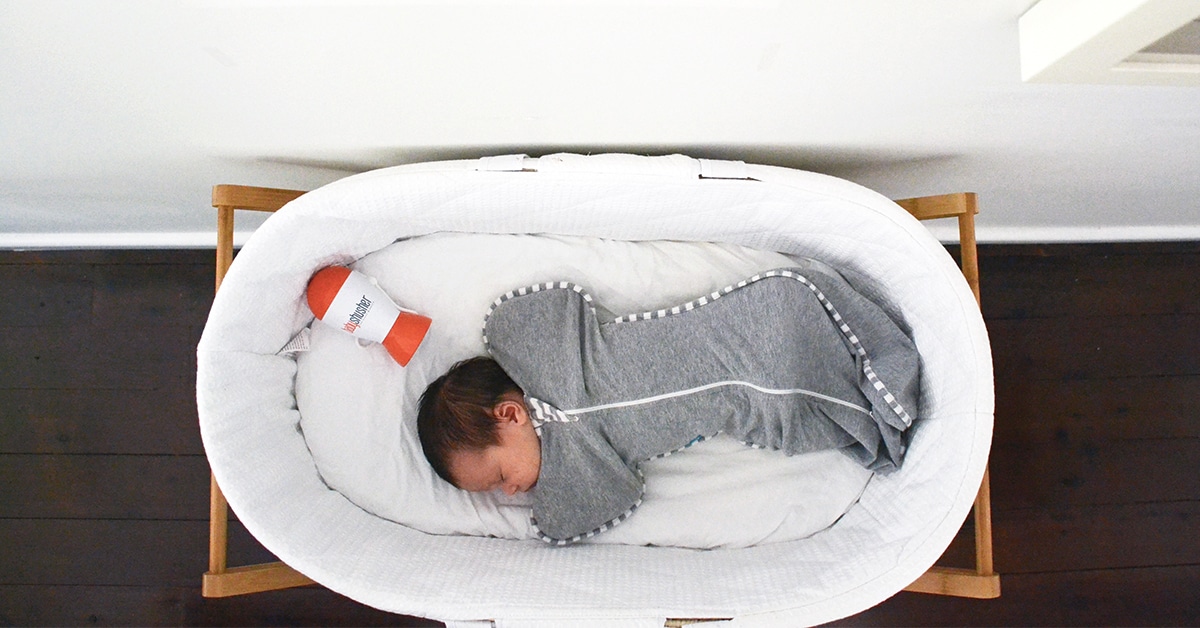
The brain releases melatonin, a sleep hormone that supports circadian rhythm, in response to darkness. With that being said, light exposure at night suppresses melatonin production, disrupting your body’s cue to relax and wind down for sleep. Studies have shown that low melatonin production is associated with health conditions like cancer, heart disease, obesity, and sleep deprivation.
Our bodies are sensitive to light, especially blue light, which has a short wavelength and is emitted by devices like our phones, TVs, and LED lights. Research from the Centers for Disease Control and Prevention (CDC) shows that exposure to bright light two hours before bed can delay your sleep schedule. Conversely, early morning sunlight can help reset your rhythm and promote better sleep at night.
Keeping the sleep light on can trick your brain into staying awake when it should be resting. Darkness is essential for your body to produce enough melatonin and achieve truly restful sleep.
The Worst Offender: Understanding Why Blue and White Light Are Sleep Killers
Among the various types of lights, blue and white light are the worst offenders when it comes to disturbing your sleep cycle. These bright lights are also like daylight, sending signals to your brain that it’s time to stay awake, even when it’s late at night.
Blue light is released approximately between the wavelengths of 400 to 500 nanometers. The most common source of it is the sunlight. It can also be emitted from electronic devices and digital screens, like smartphones, computers, televisions, and fluorescent lighting.
It is emitted with a wavelength that may affect your circadian rhythm. The following are some of the negative effects that blue light may cause:
- Less tiredness
- Poorer sleep quality
- Reduced sleep duration
- Decreased sleep efficacy
- More time to fall asleep
Blue light activates the secretion of melatonin in the pineal gland, which can increase or lessen cortisol expression depending on the time of the day, thus affecting circadian rhythm. If exposure to blue light is prolonged, especially before bed when melatonin production is the highest, it can also diminish the secretion of melatonin, increase the production of corticosteroids, and damage hormonal secretions, thus harming sleep quality.
White light, on the other hand, often contains a significant amount of blue light and can also have a similar effect. This type of light keeps your brain in alert mode, reducing your ability to wind down and fall into deep sleep. When exposed to this light source for a long time before or during sleep can lead to poor sleep and disrupted circadian rhythms.
The Sleep Quality Cost: Disrupted REM and Deep Sleep Cycles from Light Exposure
You might not know it, but when you sleep with the lights on, it affects the quality of your rest. Even dim light can interfere with your body’s natural sleep cycles.
When you sleep, you go through the different sleep stages, including rapid eye movement (REM) sleep and deep sleep. REM is the one responsible for memory and learning, while deep sleep allows your body to repair muscles and restore energy. Light exposure at night can shorten both stages, resulting in lighter, more fragmented sleep.
Individuals exposed to light while sleeping experience more nighttime awakenings and spend less time in deep and REM sleep. This disruption can make you feel groggy, unfocused, or irritated. Over time, consistently poor sleep can weaken your immune system and increase your risk of chronic health issues.
For the Kids: Balancing Nighttime Fears with Effective Light Strategies
For kids, it is normal to sleep with lights on. They feel uneasy in total darkness, so it’s common for parents to leave a small light on during bedtime. While this may provide comfort, allowing children to sleep with lights on can interfere with their sleep rhythm just as it does for adults. The soft glow emitted by the light might seem harmless, but it can actually suppress melatonin and prevent them from falling asleep. Instead of using a bright blue or white light, try doing the following:
- Use warm amber or red hues, as these lights are less disruptive to sleep.
- Use low-intensity nightlights or dim lamps placed away from the bed.
- Motion-activated hallway lights can provide reassurance during the night without constant brightness.
- Create a calming bedtime routine, like reading or using an infant white noise machine, to help your child relax and fall asleep quickly.
Health Consequences: Linking Constant Light Exposure to Long-Term Wellness Issues
Exposure to light during sleep makes it difficult for your brain to achieve deeper sleep. The more shallow or light sleep you get at night, the more your brain oscillations that allow you to get to deeper stages of sleep are negatively affected.
In addition to conditions that directly affect your brain, a lack of deep sleep from light exposure has also been linked to the following side effects:
- Depression
- Obesity
- Accidents
- Increased risk of chronic illnesses
- Causes a hormonal imbalance
- Increases blood pressure
The Nightlight Compromise: Choosing Safe, Sleep-Friendly Red or Amber Hues
If you can’t really sleep with lights off, or you find total darkness uncomfortable, you can use a nightlight, but choose the right type of light. Sleep experts recommend red or amber hues, as these colors have longer wavelengths and are less likely to suppress melatonin production compared to blue or white light.
Avoid using bright, cool-toned lights since they can trick your brain into thinking it’s still daytime and delay the onset of sleep. Instead, use low-intensity bulbs with adjustable brightness settings. Place them away from your direct line of sight to reduce glare and minimize light exposure to your eyes.
Embracing the Darkness: Practical Steps to Create an Optimal Sleep Environment
Sunlight supports our circadian rhythm’s pacing as it rises during the day, helping us stay alert and active when we should, and goes down in the evening, letting our bodies slow down and rest. However, round-the-clock exposure to light can affect your circadian rhythm and sleep schedule. Here’s how you can create an optimal sleep environment:
- Install window curtains or blackout blinds to reduce overnight light
- Wear an eye mask
- Dim lights before sleep
- Remove electronics from the bedroom
- Get sunlight during the day
- Wear blue light dresses
- Limit your screen time
Creating an optimal sleep environment starts with the lighting in your bedroom. Once you take care of any artificial lights, you can start to focus on other ways to improve your room, like addressing any noise concerns, temperature changes, and overall comfort. Choosing supportive bedding, including the best pillows for all sleep positions, can further enhance sleep quality by keeping your neck and spine properly aligned throughout the night.