

Blog
Common Home Entertainment Setup Mistakes and Sound Quality

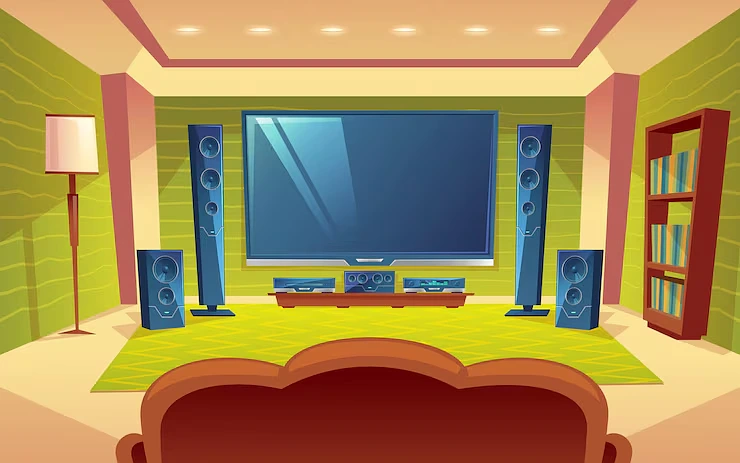
A good television and sound system can completely change the way you enjoy films, sports, games, and streaming services at home. expensive equipment does not automatically produce excellent results. The way everything is positioned, connected, and adjusted can have just as much influence on the final experience.
A screen facing a bright window may suffer from distracting reflections, while poorly positioned speakers can make dialogue difficult to follow. Incorrect picture modes, unsuitable cables, and an unreliable internet connection can create additional problems. Fortunately, many setup issues can be addressed without replacing your equipment.
For more complicated installations, professional help from home technology specialists Sydney can be useful, particularly when several devices, cables, antennas, or network connections need to work together.
Choosing The Wrong Television Position
The location of the television affects both comfort and picture quality. Mounting a screen too high can force viewers to look upward for long periods, while placing it at an awkward angle can make viewing less comfortable.
- Before fixing a television to the wall, sit in the position where you normally watch it. Consider your eye level, viewing distance, furniture height, and the size of the screen.
- A television positioned above a fireplace can create particular problems. As a television mounted above a fireplace may sit higher than an ideal viewing position, think carefully about comfort before choosing this arrangement.
- The surrounding environment matters too. Windows, lamps, glossy furniture, and other light sources can reflect across the display and become distracting during darker scenes.
Ignoring The Lighting In The Room
Room lighting can have a major effect on how a television looks. A screen that appears excellent in a dark showroom may look completely different when placed opposite a sunny window.
Direct sunlight can wash out darker scenes, while strong lamps can create reflections that remain visible throughout a film.
Try to position the television away from direct light where possible. Curtains or blinds can also help control daylight during daytime viewing.
The goal is not necessarily to make the room completely dark. Instead, aim for comfortable, controlled lighting that does not compete with the screen.
Keeping Factory Picture Settings Forever
New televisions often arrive with display modes designed to attract attention in retail environments. These settings can produce extremely bright images, strong colours, and enhanced sharpness. That presentation may not be ideal for ordinary home viewing.
Look through the television’s picture modes and consider options such as Cinema, Movie, Filmmaker, or another natural-looking mode. The best choice depends on the television and the room, so compare familiar content rather than relying only on the name of the setting.
Also check features such as motion smoothing, noise reduction, dynamic contrast, and sharpness enhancement. Some viewers prefer these features, while others find that they make films look less natural.
Putting Speakers Wherever There Is Space
A speaker can be technically connected and still produce poor sound if it is placed in the wrong position. Furniture, walls, cabinets, and other objects can block or reflect sound. A soundbar pushed deep inside a cabinet, for example, may make dialogue less clear.
- Give speakers enough space around them and follow the manufacturer’s placement recommendations. Front speakers should generally be aimed toward the listening area, while surround speakers need to be positioned according to the system’s design.
- Do not assume that moving a speaker only a small distance will have no effect. In a smaller room, changes in position can noticeably alter the sound reaching the seating area.
Forgetting About Room Acoustics
The room itself becomes part of the sound system once speakers are switched on. Hard surfaces such as tiled floors, bare walls, glass, and large windows can reflect sound. Too many reflections may make speech less distinct and cause music or effects to sound less controlled.
Soft furnishings can help. Curtains, rugs, sofas, cushions, and other upholstered items can absorb some reflected sound.
You do not necessarily need expensive acoustic panels. Rearranging existing furniture and adding suitable soft surfaces may already improve the listening environment.
Placing The Subwoofer Without Testing Different Locations
A subwoofer produces low-frequency sound that interacts strongly with the room. Simply putting it in the most convenient corner does not guarantee the best bass.
Different locations can produce noticeably different results. One position may sound powerful but uneven, while another may provide a smoother balance across the main seating area.
If your system includes a subwoofer, experiment with its location where practical and use the manufacturer’s calibration process if one is available.
Using Connections Without Checking Their Capabilities
Modern televisions, streaming devices, game consoles, receivers, and soundbars can support several connection methods. However, the available features depend on the equipment and the connection being used. Modern entertainment equipment offers several connection options, and choosing the appropriate connection can help avoid unnecessary limitations.
- HDMI ARC or eARC can be particularly useful with compatible televisions and soundbars because they can carry supported audio formats and allow convenient control between devices.
- If you experience missing audio, unexpected picture limitations, flickering, or compatibility problems, check the equipment manuals and confirm that the selected cable and ports support the features you are trying to use.
Running Cables Without A Plan
Cable management is often treated as a cosmetic issue, but poor planning can also make troubleshooting difficult. Before installing multiple devices, decide where the television, soundbar, game consoles, streaming equipment, and power connections will sit.
Leave enough room to access important ports and avoid tightly bending cables. Labeling connections can also save time later when equipment needs to be moved or replaced.
A clean installation should remain accessible rather than hiding every cable so completely that reaching a connection becomes difficult.
Forgetting About Network Performance
Streaming quality depends partly on the connection between your home network and the streaming service. A high-end television cannot maintain excellent streaming quality if the network connection is unstable or unable to provide sufficient bandwidth.
If video repeatedly becomes blurry or buffers, check the network before assuming the television is faulty. Test the connection near the entertainment area and consider whether other devices are heavily using the network at the same time.
For compatible stationary equipment, Ethernet can provide a more consistent connection than Wi-Fi in some homes.
Putting The Router In A Bad Location
The position of the router can affect wireless performance. Keeping it inside a closed cabinet, behind large objects, or in a distant part of the home may reduce the quality of the signal reaching your entertainment equipment.
- Place the router in a reasonably open location when possible. The best position depends on the home’s layout, construction materials, and the number of connected devices.
- If the television is far from the router, a wired connection or suitable network solution may be worth considering.
Using Too Many Picture Enhancements
Modern televisions can include a long list of image-processing features. While some can improve particular types of content, enabling everything at once can make the picture look unnatural. Excessive sharpening can introduce unwanted edges around objects. Strong motion processing can create an artificial appearance, while aggressive contrast processing can remove detail from very dark or bright areas.
Ignoring Audio Settings
A television may offer several sound modes, including Standard, Movie, Music, Sports, or Voice-focused options. These can change the balance between dialogue, music, and effects.
If voices are difficult to hear, check whether the television or soundbar has a dialogue enhancement or similar setting. Also make sure the correct audio output device is selected.
When using an external soundbar or receiver, disable unnecessary television speaker settings if recommended by the equipment manufacturer to avoid unwanted audio behaviour.
Forgetting To Calibrate The System
Some modern home entertainment systems include automatic calibration tools. These systems can use a microphone or other measurement method to adjust speaker levels and timing according to the room.
- If your equipment provides this feature, following the manufacturer’s calibration instructions can be a useful starting point.
- Calibration does not remove the importance of good speaker placement. It works best when the equipment is already positioned sensibly.
Setting Up Everything At Once
Changing television settings, speaker positions, cables, and network equipment simultaneously can make troubleshooting difficult. If something improves, you may not know which change made the difference. If something becomes worse, you may have to undo several changes. A better approach is to work methodically. Identify the biggest problem first, make one change, test the result, and then move to the next issue. This approach takes a little more patience but makes the final setup easier to understand.
Make The Most Of Your Existing Equipment
A better home entertainment experience does not always require buying a newer television or replacing an entire sound system. Correcting the viewing angle, reducing reflections, improving speaker placement, changing unsuitable picture settings, and checking connections can make a noticeable difference.
Start with the problem you notice most often. If dialogue is unclear, concentrate on speaker placement and audio settings. If the picture looks washed out, investigate room lighting and display settings. If streaming quality changes constantly, check the network.
Build A Setup Around Your Room
There is no single arrangement that works perfectly for every home. A television and sound system should be set up according to the room, seating position, equipment capabilities, and the way the space is used.
A smaller living room may require different speaker positions from a large open-plan space. Likewise, a bright room may need different picture adjustments from a dedicated dark viewing area. The best setup is therefore not necessarily the most expensive one. It is the one that works well with the conditions you actually have.