

Blog
How To Handle Old Electrical Wiring Safely During Home Renovations

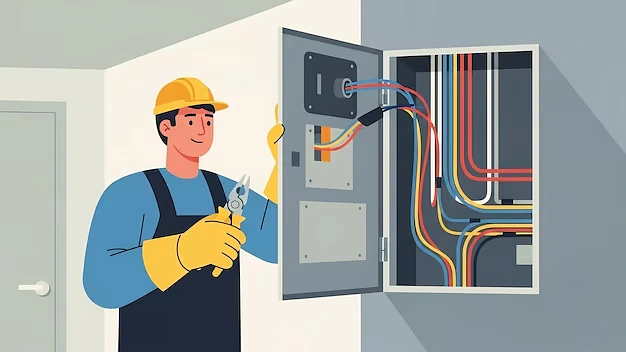
Home renovations often uncover electrical wiring that has been hidden behind walls, ceilings, floors and cabinets for many years. Some cables may be removed as part of an updated electrical layout, while others may remain in place and continue serving the property.
The important point is that old wiring should not automatically be treated as rubbish. It needs to be assessed properly before anyone decides whether it should remain, be replaced or be sent for recycling. Electrical safety should always come before attempts to save materials or reduce renovation waste.
Why Old Electrical Wiring Needs Careful Assessment
Electrical installations can change considerably over the lifetime of a home. Additional appliances, renovated rooms and changes to the electrical system may mean that existing wiring no longer suits the property’s requirements.
- Age by itself does not tell you whether a cable is safe or unsafe. Its condition, installation method, insulation, connections and suitability for the current electrical system all matter.
- A qualified electrician can inspect the installation and determine which components need attention. This is particularly important when wiring is exposed during demolition because visible cables may not provide enough information about the complete circuit.
Copper And Aluminium Can Be Recovered
Electrical cables commonly contain metals that have recycling value. Copper is commonly used in electrical wiring because it conducts electricity effectively and can be processed for reuse.
During a renovation, electricians may remove cables because a room is being redesigned or an electrical circuit is being upgraded. The cable may no longer be needed in that location, but the metal inside it can still have value as a recyclable material.
Aluminium and other metal components may also be found in some electrical installations. Their recycling arrangements can differ, so materials should be separated according to the requirements of the recycling facility.
Look At The Condition Before Reusing Anything
Not every cable removed during renovation should be reused. Electrical wiring can deteriorate because of heat, moisture, physical damage, unsuitable installation conditions or age-related degradation. Insulation that has become brittle, cracked, burned or otherwise damaged requires professional assessment.
The same applies to electrical components that show signs of overheating or moisture exposure. A cable that looks acceptable from the outside may still have an underlying problem that cannot be identified through a simple visual inspection.
Warning Signs That Need Professional Attention
Certain signs should prompt an electrician to investigate the electrical installation. Cracked insulation, scorch marks, exposed conductors, unusual burning smells and repeated circuit-breaker trips can indicate an electrical problem.
- Moisture around electrical connections is another concern because water and electricity can create serious hazards.
- These signs do not identify the exact cause of a fault by themselves. They simply indicate that the affected electrical system should not be treated as ordinary renovation material.
Never Assume A Disconnected Cable Is Safe
Electrical wiring should never be handled simply because a switch has been turned off. Some circuits may still be energised, and incorrectly disconnecting wiring can create shock, fire or other safety hazards.
Before renovation work begins, a qualified electrician should identify the relevant circuits and safely isolate them. Fixed electrical wiring should only be altered or removed by appropriately authorised professionals.
This is especially important during demolition because cables may run through walls, ceilings and floors in ways that are not obvious from the room itself.
What About Specialist Electrical Testing?
Not every type of electrical testing is appropriate for residential renovation work. Different electrical systems require different inspection methods depending on their voltage, equipment and operating conditions.
- In commercial and industrial environments, specialist methods such as Partial Discharge Testing can be used to investigate insulation-related problems in certain high-voltage electrical equipment.
- This is different from testing ordinary household cables, but it demonstrates the broader principle that electrical equipment should be assessed using an appropriate method before decisions are made about repair or replacement.
Keep Removed Cables Separate
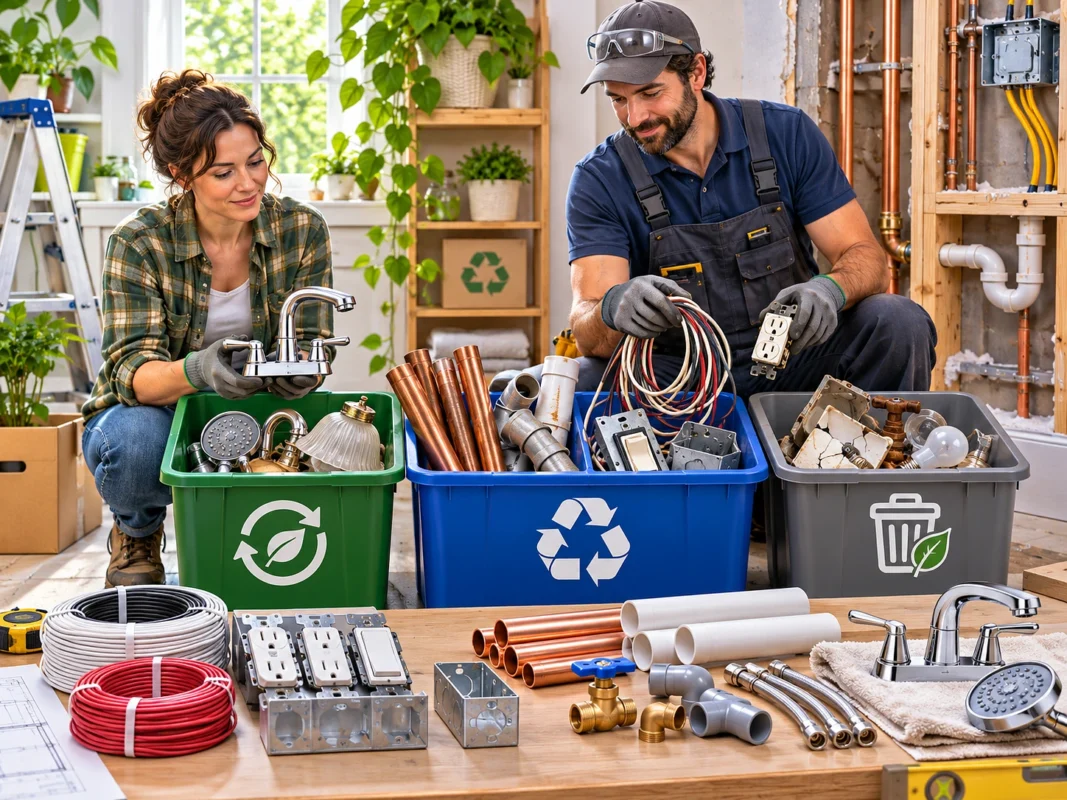
Once an electrician has safely removed unwanted wiring, keeping the material separate from general renovation waste can make recycling easier.
Cable recyclers may sort material according to the type of metal, insulation and overall condition. Local recycling facilities may have specific requirements regarding what they accept.
Ask the contractor or recycling facility about their requirements before placing electrical scrap into a collection container. Cables should not simply be mixed with household rubbish if suitable recycling options are available.
Do Not Burn Cable Insulation
Attempting to recover copper by burning cable insulation is unsafe and can release harmful fumes. Cable processing should be handled through appropriate recycling facilities that have equipment designed to separate the metal from its surrounding materials. The safer approach is to leave the cable intact and take it to a facility that accepts the relevant type of electrical scrap.
Electrical Planning Should Happen Early
Electrical requirements are easiest to manage when they are considered before major renovation work begins. Talk to an electrician about where new lighting, power outlets, appliances and other electrical equipment will be located.
- This allows the electrical layout to be considered alongside the room design rather than being added after walls and ceilings have already been completed.
- Early planning can also reveal whether existing circuits are suitable for the proposed changes or whether upgrades will be required.
Renovation Can Be An Opportunity To Improve The Electrical System
Opening walls and ceilings provides an opportunity to inspect areas that are normally hidden. If the renovation involves significant changes to the property’s layout, an electrician can review the existing installation and identify wiring that may need replacement or modification.
This does not mean replacing everything simply because it is old. The aim is to make informed decisions based on condition, suitability and the requirements of the updated property.
Reduce Waste Without Compromising Safety
Responsible renovation involves more than recycling materials. It also means avoiding unnecessary replacement while making sure the finished home is safe and suitable.
Some materials can be retained after professional assessment, while other components may need to be removed. Electrical cables that are no longer required can often be directed toward appropriate recycling instead of general landfill waste.
The safest approach is to let qualified professionals make decisions about electrical use and removal, while homeowners and contractors organise suitable recycling for materials that have been safely disconnected.
Renovate With A Clear Electrical Plan
Old cables can become an easy item to overlook during a busy renovation. Walls are opened, fixtures are removed and construction waste quickly accumulates.
Taking time to identify electrical work before demolition can prevent confusion and reduce the risk of accidentally damaging an active circuit. It also gives the electrician a clearer opportunity to plan new circuits and determine which existing components can remain. A well-planned electrical renovation protects the property, reduces unnecessary waste and makes the later stages of construction easier to manage.



One thought on “How To Handle Old Electrical Wiring Safely During Home Renovations”