

Blog
How the Right HVAC Team Prevents Costly Seasonal System Failures

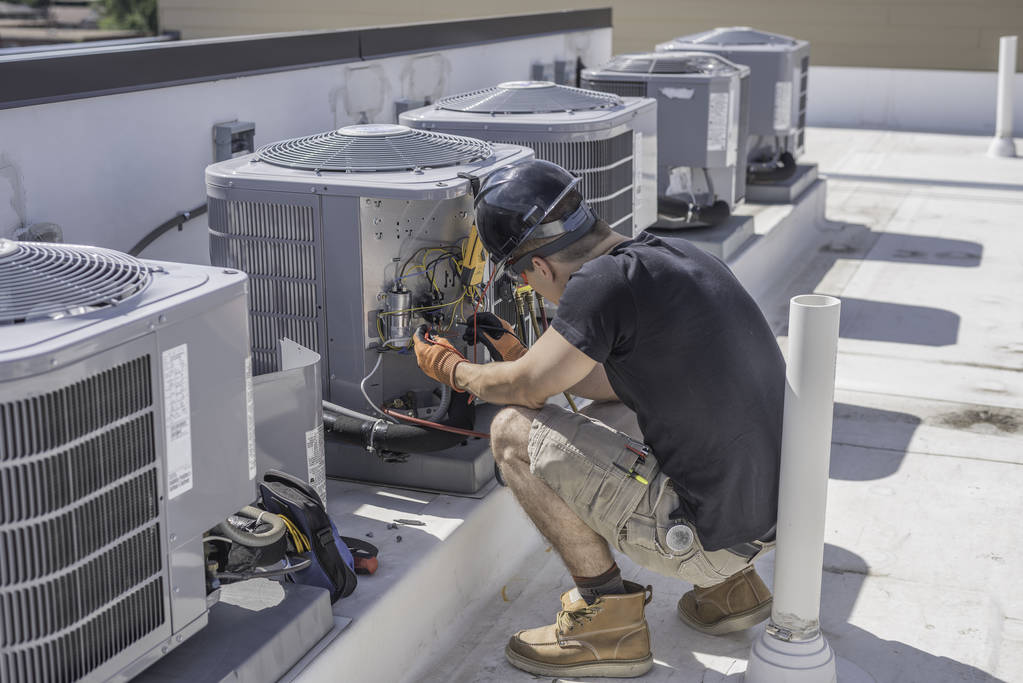
Seasonal comfort depends on preparation, timing, and careful diagnostics. Heating and cooling equipment carries its heaviest workload during long humid spells, sudden freezes, and rapid temperature swings. Minor faults can turn into costly shutdowns under that level of stress. An experienced HVAC team checks airflow, electrical load, combustion safety, refrigerant charge, drainage, and controls before peak demand. That attention helps households avoid urgent repairs and preserve equipment life.
Local Weather Raises Risk
Missouri weather puts a lot of strain on residential systems. Humid summers strain coils and compressors, while cold snaps test ignition parts, burners, and heat exchangers. Homeowners comparing St. Louis heating and cooling support need technicians familiar with regional load patterns, moisture issues, and common seasonal failures. Local experience helps inspections target the parts most likely to fail first.
Tune-Ups Catch Hidden Wear
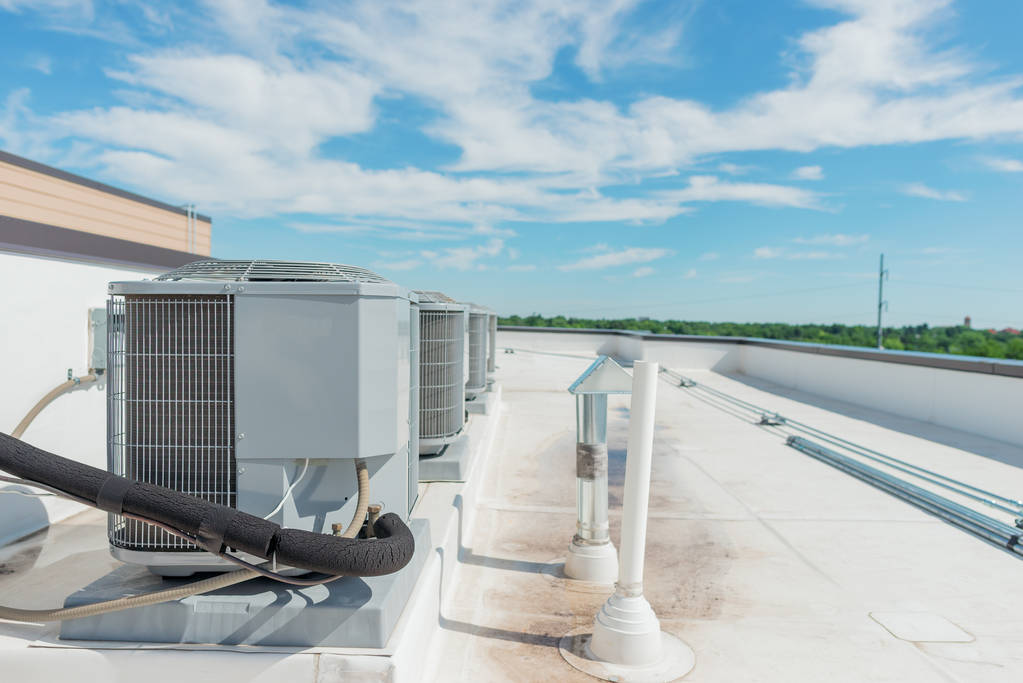
Maintenance often finds trouble before comfort disappears. A technician can tighten electrical connections, clean coils, test motors, inspect burners, and verify safe startup. Small faults do not stay harmless for long.
A weak capacitor, a dirty flame sensor, or a loose wire can cause the unit to stop operating during harsh weather. Early repair usually costs far less than emergency service.
Airflow Protects Equipment
Airflow problems shorten system life. Dirty filters, blocked returns, closed vents, clogged coils, and duct leaks force equipment to run longer than needed. Proper testing matters. Static pressure readings, duct checks, and filter review show whether air moves as designed. Balanced circulation reduces strain on blowers, compressors, and heat exchangers while improving room comfort.
Filters Need Matching
A filter should capture particles without restricting circulation. High-resistance filters can overwhelm older units or systems with undersized ductwork. That restriction may freeze evaporator coils, overheat furnaces, or raise energy use. A qualified team checks manufacturer requirements before suggesting changes. Homes with pets, remodeling dust, or allergy concerns may need shorter replacement intervals.
Refrigerant Issues Get Expensive
Cooling performance depends on the correct refrigerant charge.
Low levels often indicate leakage, while excess refrigerant can damage efficiency and pressure balance.
Careful diagnosis protects the compressor, one of the costliest components.
Technicians use gauges, temperature readings, and leak detection before adding refrigerant.
That process prevents repeat visits and avoids masking the real fault.
Heat Systems Need Safety Checks
Heating equipment requires more than a quick startup test. Furnaces, boilers, and heat pumps need seasonal inspection before cold weather settles in. Burners, ignition assemblies, venting, motors, and safety controls should all be checked. A visit may reveal cracked parts, blocked exhaust paths, weak flame signals, or poor combustion. Those findings affect comfort and household safety.
Thermostats Can Be Misleading
Control issues can mimic mechanical failure. Poor placement, weak batteries, aging wires, or incorrect settings may cause short cycling and uneven temperatures. Technicians should confirm thermostat signals before replacing major parts. Calibration, programming, and system communication all deserve review. Accurate controls reduce wasted runtime and help equipment cycle at healthier intervals.
Drainage Prevents Damage
Both air conditioners and high-efficiency furnaces create moisture. Clogged condensate lines can shut down equipment or cause staining on ceilings, walls, and in mechanical rooms.
Drainage checks should be part of seasonal service. Pans, pumps, traps, and safety switches need inspection and cleaning. Clear moisture removal protects nearby materials and prevents avoidable water damage.
Ducts Affect Reliability
Ductwork has a direct effect on comfort, cost, and reliability. Leaks, crushed runs, missing insulation, and poor connections waste conditioned air.
A skilled team looks beyond the cabinet. Duct repairs can reduce runtime, ease mechanical stress, and help rooms reach set temperatures more evenly.
That broader inspection often prevents repeat complaints.
Replacement Timing Matters
Every system reaches a point where repairs offer limited value. Age, efficiency, comfort history, part availability, and repair frequency all matter. Good guidance should be clear, measured, and pressure-free. Homeowners need fair comparisons between repair costs and replacement benefits. Correct sizing is critical, since oversized or undersized equipment can create fresh problems.
Summary
Seasonal breakdowns usually begin with small warning signs, not sudden mystery failures. The right HVAC team knows where to look, how to test, and which repairs deserve priority. Airflow, refrigerant charge, safety controls, drainage, ducts, filters, and thermostat accuracy all shape reliability. With steady maintenance and honest guidance, homeowners can reduce emergency calls, control repair costs, and maintain dependable indoor comfort even in demanding weather.