

Blog
The Growing Popularity of Grip Strength Training in Modern Fitness

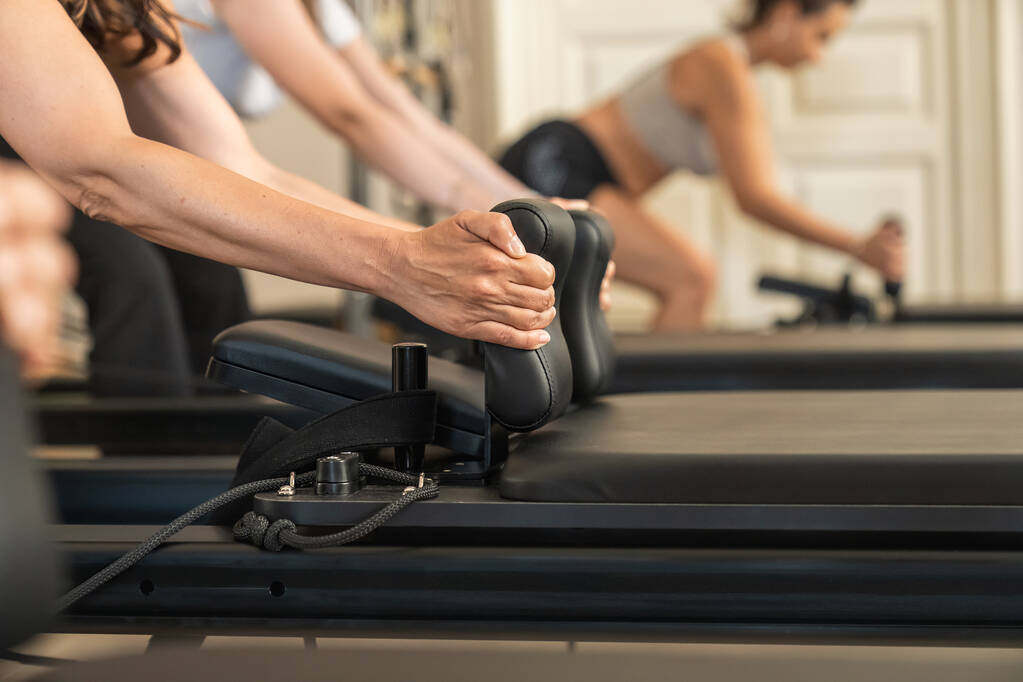
Fitness trends constantly evolve, but one area that has gained increasing attention in recent years is grip strength development. Once considered a niche focus mainly for climbers and strongman athletes, grip training is now recognised as an important part of overall fitness, athletic performance, and injury prevention.
Today, athletes, gym-goers, and even office workers are exploring the benefits of Grip Training to improve strength, endurance, hand health, and functional performance in everyday life.
Why Grip Strength Matters
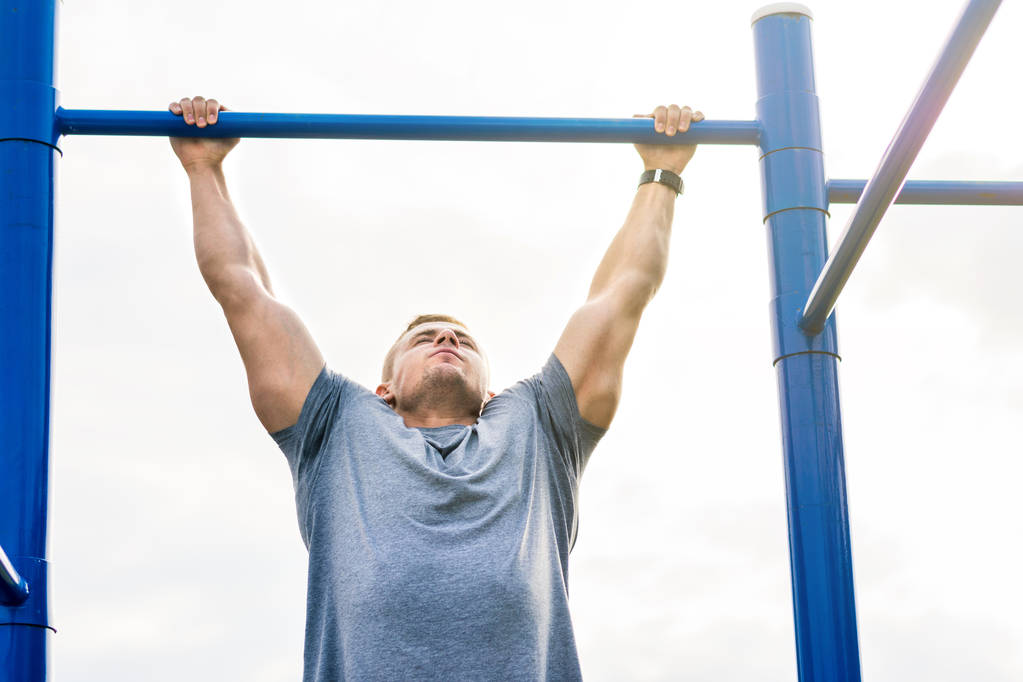
Improved Performance in the Gym
Grip strength plays a major role in many common exercises, including deadlifts, pull-ups, rows, and kettlebell carries. If the hands and forearms fatigue too quickly, it can limit performance before larger muscle groups are fully challenged.
A stronger grip helps athletes maintain control over weights, improve endurance during training sessions, and increase overall lifting efficiency.
Better Athletic Performance
Many sports rely heavily on hand and forearm strength. Athletes in the following disciplines often prioritise grip development:
- Rock climbing
- Martial arts
- Golf
- Tennis
- Baseball
- Wrestling
- Rugby
Stronger grip endurance can improve control, stability, and power during competition.
Everyday Functional Benefits
Grip strength is not only valuable for athletes. Everyday tasks such as carrying shopping bags, opening jars, lifting objects, and manual work all rely on healthy hand and forearm strength.
Maintaining grip function also becomes increasingly important with age, as strength loss can affect mobility and independence.
Different Types of Grip Strength
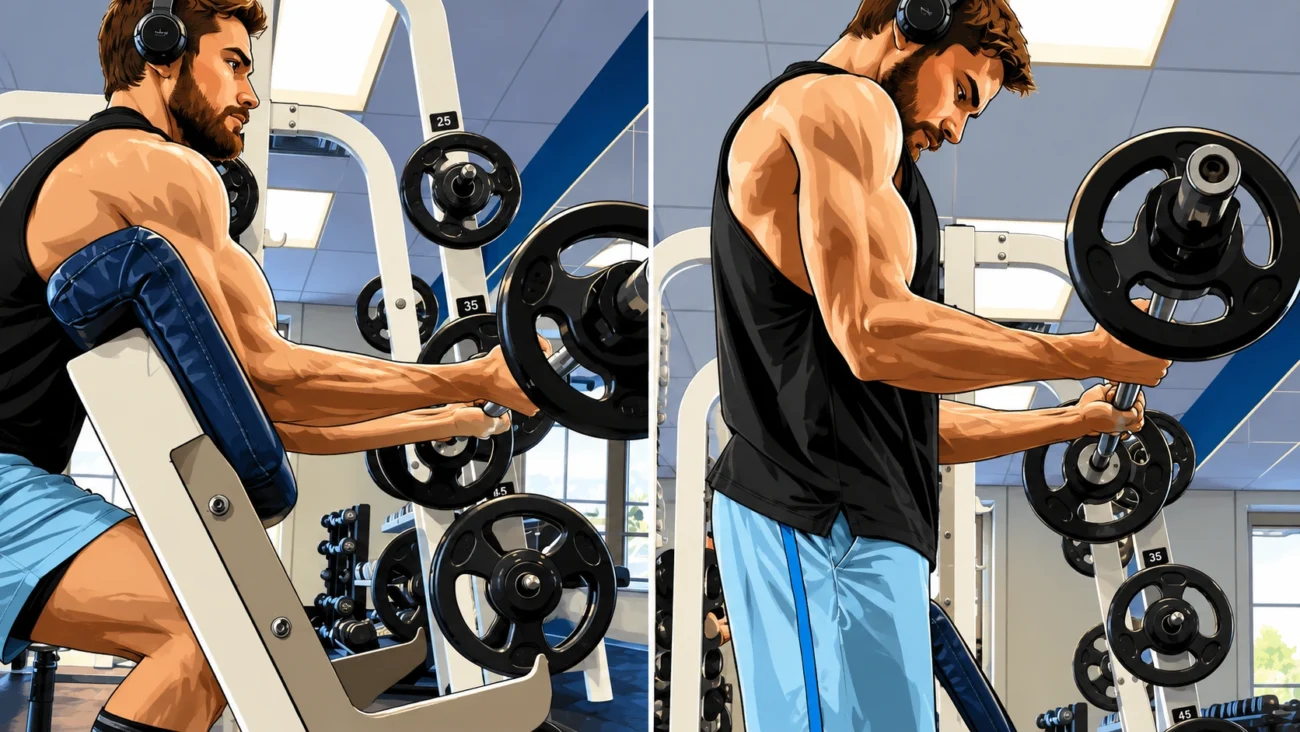
Crushing Grip
This refers to the ability to squeeze objects with force, such as closing a hand gripper.
Pinch Grip
Pinch grip focuses on holding objects between the fingers and thumb without full hand support.
Support Grip
Support grip involves maintaining hold over a period of time, such as carrying heavy weights or hanging from a pull-up bar.
Wrist and Forearm Strength
Strong wrists and forearms provide stability and support for multiple movement patterns across sports and strength training.
Popular Grip Training Methods
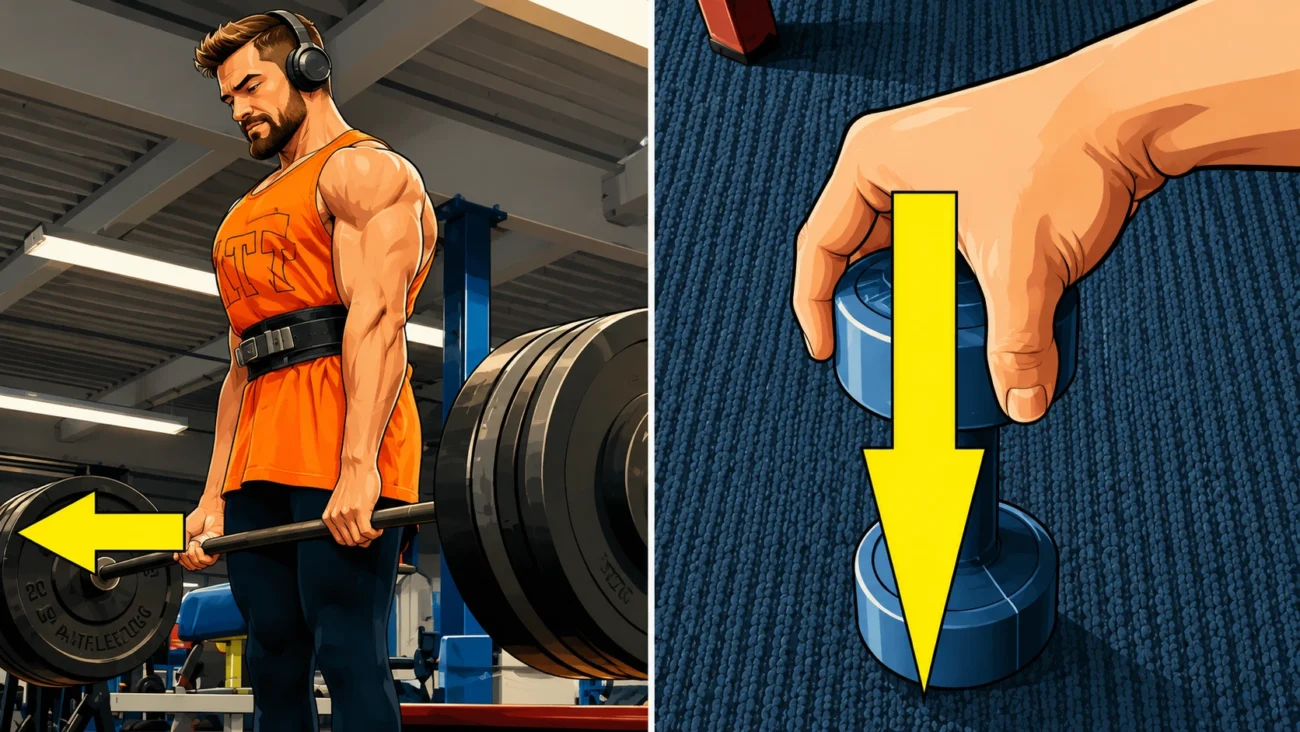
Hand Grippers
Hand grippers are one of the most common grip training tools because they are portable, simple to use, and suitable for progressive resistance training.
Farmer Carries
Carrying heavy weights over distance is highly effective for improving support grip and total-body conditioning.
Dead Hangs
Hanging from a pull-up bar challenges endurance and strengthens the hands, wrists, and forearms simultaneously.
Wrist Rollers and Rotational Devices
These tools target forearm endurance and wrist stability while adding variety to training routines.
How Grip Training Supports Injury Prevention
Weak wrists and forearms may contribute to strain during repetitive movements or heavy lifting. Targeted grip exercises can help strengthen stabilising muscles and improve joint support.
For people who spend long hours typing, gaming, or using handheld devices, grip exercises may also help improve muscular endurance and reduce discomfort caused by repetitive use.