

Blog
What to Expect from a Child Psychologist: A Parent’s Guide


Deciding to take your child to see a psychologist can feel overwhelming. Parents often wonder what happens during sessions, whether their child will feel comfortable, and how long treatment might take. Understanding what a child psychologist does and what to expect from the process helps reduce anxiety and sets realistic expectations for everyone involved.
A child psychologist specializes in understanding how children think, feel, and behave. These professionals have specific training in child development, mental health conditions that affect young people, and therapeutic techniques designed for different age groups.
Unlike therapists who work primarily with adults, they adapt their approach to meet children where they are developmentally and emotionally.
Understanding What Child Psychologists Do

Assessment and Evaluation
One of the primary roles involves a comprehensive assessment. When you first meet with a child psychologist, they’ll gather information about your child’s history, current challenges, and family dynamics. This might include formal testing, observations, questionnaires for parents and teachers, and conversations with your child.
The assessment phase helps identify specific issues and rule out other potential causes.
For example, attention problems might stem from ADHD, anxiety, learning disabilities, or even lack of sleep.
Proper evaluation ensures treatment targets the actual underlying issue rather than just surface symptoms.
Therapy and Treatment
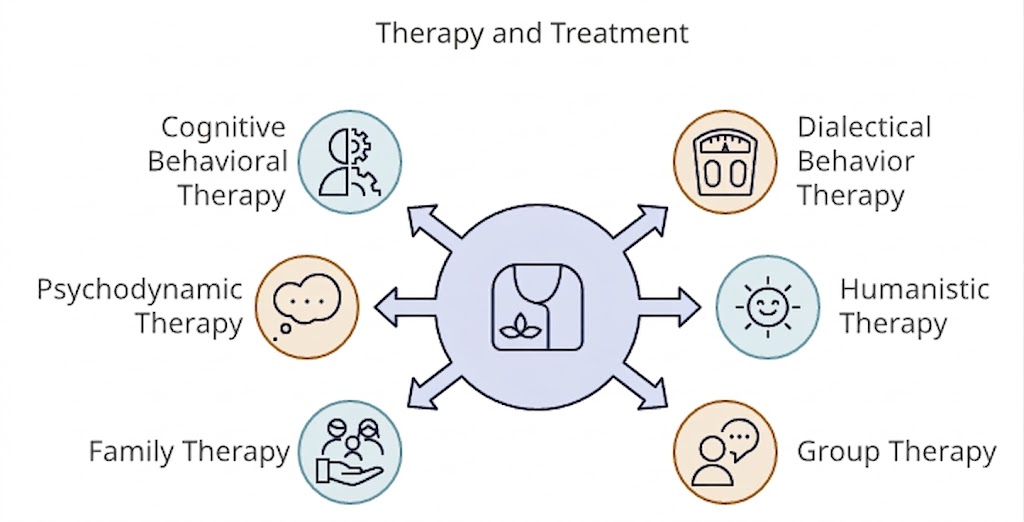
After assessment, child psychologists provide evidence-based treatments tailored to your child’s needs. The specific approach depends on the child’s age, the nature of their difficulties, and what research shows works best for their particular situation.
- Play therapy works well with younger children who can’t yet verbalize their feelings effectively. The psychologist observes how the child plays and uses toys to help them express emotions and work through difficulties.
- For older children and teenagers, talk therapy becomes more appropriate. Cognitive-behavioral techniques help children identify unhelpful thought patterns and develop healthier coping strategies.
Parent Guidance and Support
What do child psychologists do beyond working directly with children? They provide substantial support and education to parents. Understanding your child’s mental health and learning effective response strategies are often key components of successful treatment.
Parent sessions might occur separately or as part of family therapy. The psychologist will explain your child’s diagnosis or difficulties in understandable terms, suggest strategies for managing behavior at home, and help you respond to your child in ways that support their progress.
Collaboration with Schools
Many child psychologists communicate with teachers and school staff when parents provide permission. Schools see children in different contexts than home, and this information helps create a complete picture. The psychologist might suggest accommodations, explain the child’s needs to educators, or help develop plans that support the child’s success in academic settings.
When to Consider Seeing a Child Psychologist
Parents should consider professional help when behavioral, emotional, or developmental concerns persist despite their best efforts. Some situations that warrant consultation include:
- Persistent sadness, anxiety, or mood changes lasting several weeks
- Behavioral problems at home or school that disrupt daily life
- Difficulty with peer relationships or social withdrawal
- Significant changes in eating or sleeping patterns
- Academic struggles that don’t improve with additional support
- Trauma exposure or major life transitions causing distress
- Developmental delays or concerns about autism spectrum disorder
- Self-harm thoughts or behaviors
Trust your instincts as a parent. If something feels off or you’re worried about your child’s well-being, seeking professional evaluation provides peace of mind even if no serious issues are found.
The First Appointment: What Actually Happens
| Section | Details |
|---|
| Before You Go | – Parents typically fill out intake forms before the first session, which gather background information about pregnancy, development, medical history, and family dynamics. – Prepare your child for the visit by explaining why they are seeing a psychologist in an age-appropriate way, making sure they feel comfortable. Avoid making it sound like punishment. |
| During the Initial Session | – The first meeting is for the psychologist to get to know the family. They may meet with both you and your child together, then spend time with each separately. – The psychologist focuses on building trust with the child through a relaxed conversation rather than formal therapy, and may show them around the office to explain their role. |
| What to Expect in Terms of Questions | – The psychologist will ask about your child’s development, school performance, family relationships, and any concerns. – They seek to understand specific behaviors, when they began, and what interventions you’ve tried. Be open and honest—confidentiality is maintained, and the goal is to help, not to judge. |
What Treatment Looks Like Over Time
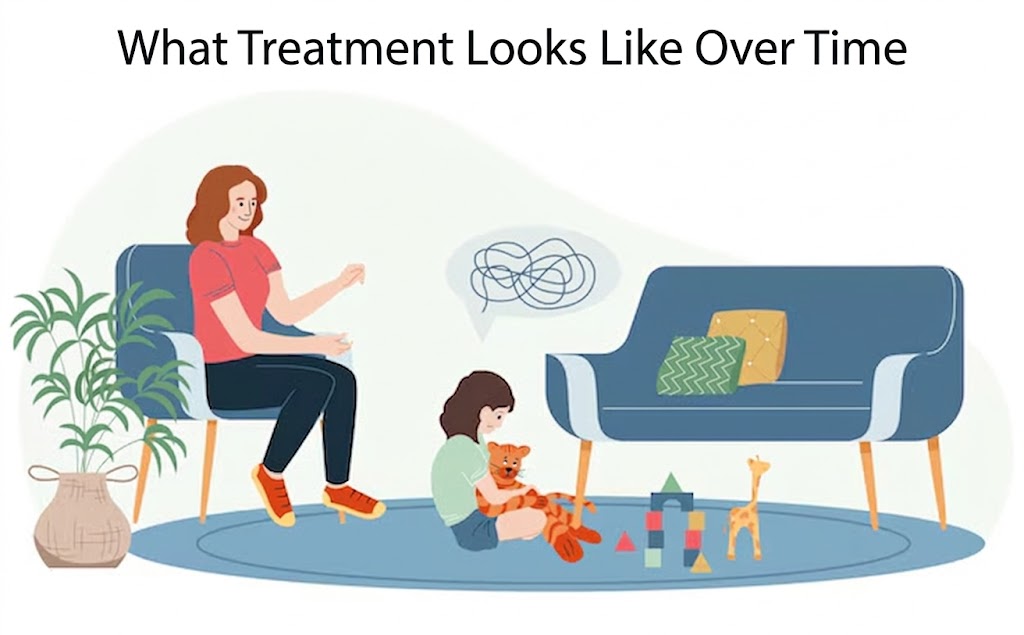
Session Structure and Frequency
Most child psychologists see children weekly, at least initially. Sessions typically last 45-50 minutes, though this varies based on the child’s age and needs. Very young children might have shorter sessions with more parent involvement.
As progress occurs, sessions might be spaced out to biweekly or monthly check-ins.
The total duration of treatment varies widely.
Some children benefit from short-term intervention over a few months, while others need ongoing support for longer periods.
Your Role in the Process
Successful therapy requires parent involvement. The child psychologist will likely give you homework—strategies to practice at home, ways to respond to specific behaviors, or exercises to do with your child. Consistency between sessions matters significantly.
Attend scheduled sessions regularly and arrive on time. Children pick up on whether parents prioritize therapy, and this affects their engagement. If scheduling conflicts arise, communicate early so appointments can be rescheduled rather than missed.
Measuring Progress
Child psychologists use various methods to track improvement. They might ask you to complete periodic questionnaires, observe changes in behavior, or monitor specific symptoms. Progress isn’t always linear—children may improve, plateau, or even regress temporarily. This is normal and doesn’t mean therapy isn’t working.
- Regular check-ins with the psychologist help you understand where things stand.
- Don’t hesitate to ask questions about your child’s progress, whether the current approach is working, or what changes might help move things forward.
Common Concerns Parents Have
Will My Child Actually Talk?
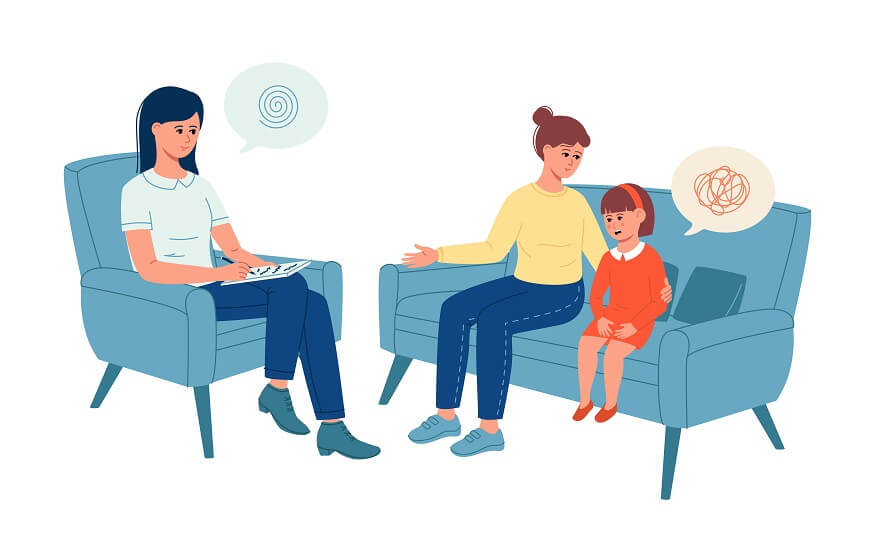
Many children, especially younger ones or those with anxiety, start sessions quietly. Skilled child psychologists know how to engage reluctant children through play, drawing, games, or simply sharing space until the child feels comfortable. Building trust takes time, and good psychologists don’t rush it.
What About Confidentiality?
Child psychologists maintain confidentiality with important exceptions. They must report suspected abuse, neglect, or situations where the child poses a danger to themselves or others. Beyond these legal requirements, psychologists generally keep session content private, though they’ll share general updates with parents about progress and what you can do to help.
Older children and teens particularly benefit from knowing their conversations stay private. This builds trust and encourages honest communication. The psychologist will explain confidentiality limits to your child age-appropriately.
How Long Will This Take?
There’s no standard timeline. Some issues are resolved in weeks, while others require months or years of support. The child psychologist should provide general timeframes based on your child’s specific situation, though these remain flexible based on progress.
Factors affecting duration include the severity of symptoms, how long issues have persisted, family support systems, and whether other life stressors are present. Children dealing with recent trauma might need different timelines than those working through long-standing behavioral patterns.
Working with Child Psychologists Effectively
Communication Matters
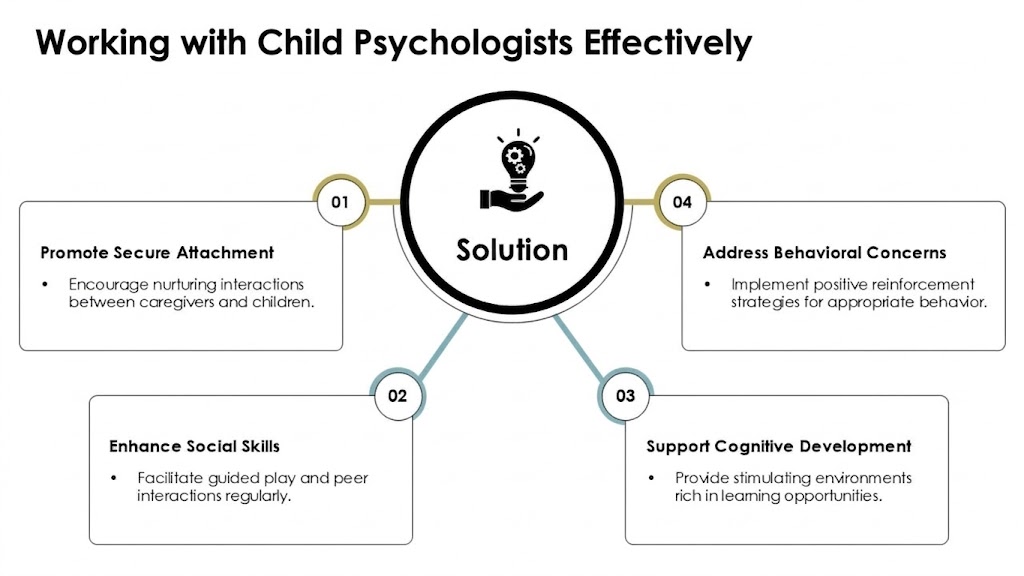
Maintain open communication with your child’s psychologist. Share observations about behavior at home, changes in circumstances, or concerns about progress. If something isn’t working or you don’t understand the treatment approach, speak up. Good psychologists welcome questions and can explain their reasoning.
Stay Consistent
Consistency helps children feel secure and supports therapeutic progress. Attend sessions regularly, practice strategies at home, and maintain routines the psychologist suggests. When parents implement recommendations consistently, children typically improve faster.
Manage Your Own Stress
Taking your child to therapy can bring up difficult emotions. You might feel guilt, worry, or frustration. Remember that seeking help is a sign of good parenting, not failure. Consider your own support needs too whether through friends, family, or your own therapist.
Research Based References
- https://www.apa.org/education-career/guide/subfields/developmental
- https://www.nichd.nih.gov/health/topics/psychological/conditioninfo/Pages/therapy.aspx
- https://www.psychologytoday.com/us/therapists/child
- https://www.childmind.org/article/what-to-expect-from-a-child-psychologist/
- https://www.ncbi.nlm.nih.gov/pmc/articles/PMC2952874/
- https://www.nimh.nih.gov/health/topics/child-and-adolescent-mental-health
- https://www.healthychildren.org/English/family-life/emotions-behavior/Pages/How-to-Choose-a-Child-Psychologist.aspx
- https://www.childpsychologist.com/what-does-a-child-psychologist-do
- https://www.apa.org/monitor/2014/09/therapy
- https://www.tandfonline.com/doi/abs/10.1080/0954026021000015879