

Blog
6 Practical Ways To Manage Health Anxiety Before It Takes Over Your Life

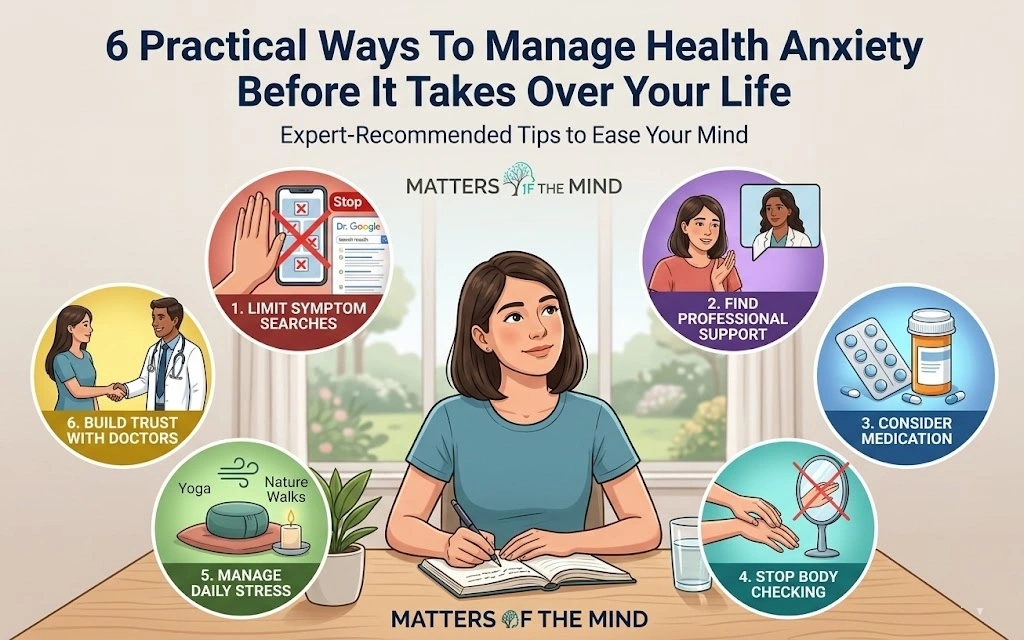
Health anxiety can wear a person down fast. One strange symptom turns into an internet search spiral, which turns into checking your pulse every ten minutes while convincing yourself your headache is definitely not from staring at a screen for nine straight hours. The fear feels real because the physical sensations often are real. Stress can cause chest tightness, dizziness, stomach problems, muscle pain, racing heartbeats, and fatigue. That creates a frustrating cycle where anxiety produces symptoms, then the symptoms fuel even more anxiety.
What is Health Anxiety?
Health anxiety is excessive worry about having or developing a serious illness. People struggling with it often interpret normal bodily sensations like headaches, fatigue, muscle tension, or stomach discomfort as signs of something dangerous. Even after medical reassurance, the fear may continue.
Someone with health anxiety may constantly search symptoms online, repeatedly check their body for signs of illness, schedule unnecessary doctor appointments, or avoid situations they believe could affect their health. The anxiety itself can create real physical symptoms, making the fear feel even more convincing.
How Health Anxiety Affects Daily Life
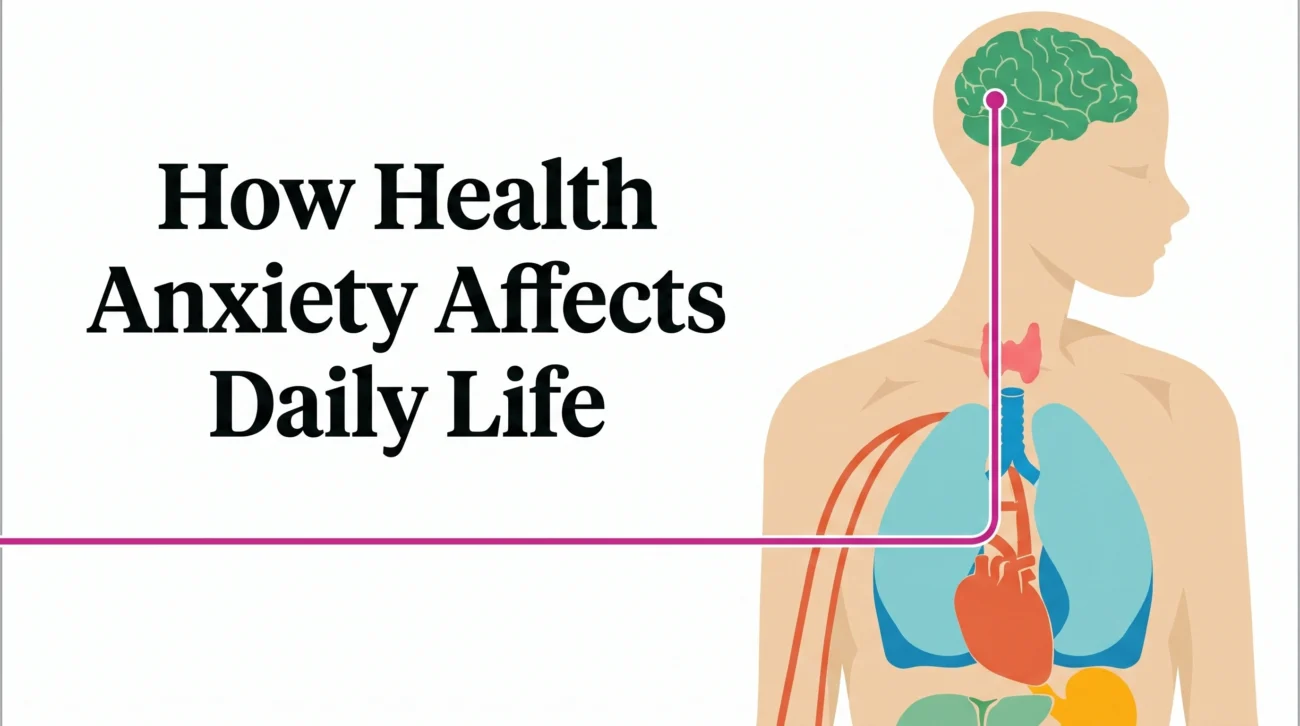
Health anxiety impacts both mental and physical well-being. The constant fear keeps the nervous system in a heightened state, making everyday situations feel exhausting.
Physical effects of health anxiety
- Rapid heartbeat or chest tightness
- Sweating and hot flashes
- Dry mouth or shaking
- Dizziness and fatigue
- Muscle aches and tension
- Nausea or stomach discomfort
- Shortness of breath
1. Limit Symptom Searches
The internet can become one of the biggest triggers for health anxiety. A harmless symptom search can quickly spiral into reading worst-case scenarios and rare disease stories that dramatically increase panic.
- Looking up symptoms may provide temporary reassurance, but that relief rarely lasts long. Within minutes, the brain starts searching for more certainty, which keeps the anxiety cycle alive.
- People dealing with health anxiety often convince themselves they are being “careful” or “responsible” by researching every sensation. In reality, constant Googling trains the brain to stay hyper-alert for danger at all times.
- Reducing symptom searches helps calm the nervous system over time. Some people benefit from setting strict boundaries, such as avoiding medical searches completely unless advised by a doctor.
Common emotional symptoms include
- Racing thoughts about illness.
- Trouble focusing or concentrating.
- Constant feelings of dread.
- Irritability and restlessness.
- Panic attacks or overwhelming fear.
- Sleep disturbances and appetite changes.
- Feeling disconnected or emotionally drained.
2. Find Professional Support
Health anxiety is difficult to manage alone because anxiety distorts rational thinking. Even when someone logically understands they are probably fine, fear can still feel overwhelming.
- For many people, finding the right provider matters more than chasing the perfect location or trendy wellness program. Anxiety therapy in San Diego, Jacksonville,
- Richmond or wherever you live can help create structure, accountability, and coping strategies that are tailored to your situation instead of generic advice from strangers online pretending they graduated from Medical School TikTok University.
A therapist can help people learn how to

- Recognize anxious thought spirals
- Reduce compulsive checking behaviors
- Tolerate uncertainty more effectively
- Calm physical stress responses
- Respond rationally to bodily sensations
3. Consider Medication
Medication is not necessary for everyone, but it can help when health anxiety becomes severe enough to interfere with everyday life.
Selective serotonin reuptake inhibitors, also called SSRIs, are commonly prescribed for anxiety disorders because they help regulate obsessive thoughts and reduce overall anxiety intensity.
Medications like Zoloft or Lexapro may help some people feel calmer and more emotionally balanced.
Medication does not instantly erase anxious thinking, but it can reduce the mental noise enough for therapy and coping strategies to work more effectively.
4. Stop Body Checking
One of the most common habits associated with health anxiety is compulsive body checking.
This includes
- Repeatedly checking pulse or blood pressure
- Constantly examining moles or skin changes
- Monitoring breathing patterns
- Feeling lymph nodes repeatedly
- Analyzing every ache, twitch, or sensation
- The problem is that constant monitoring increases sensitivity. The brain becomes hyper-focused on bodily sensations that most people naturally ignore.
- Once attention locks onto the body, harmless feelings suddenly seem alarming. A small muscle twitch becomes terrifying. A normal headache feels catastrophic.
5. Manage Daily Stress
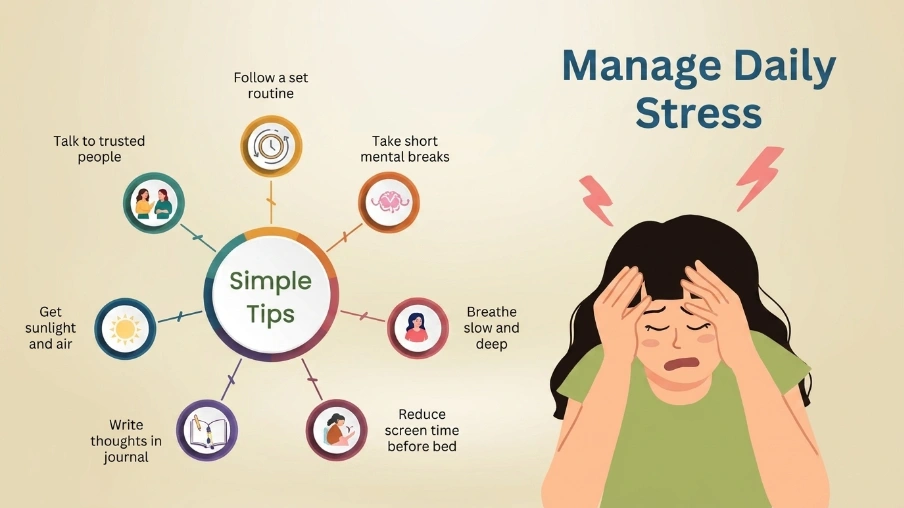
Health anxiety rarely exists in isolation. Stress, burnout, poor sleep, relationship tension, financial pressure, and overwork all make anxiety worse. When the nervous system stays overloaded, the body becomes more reactive and sensitive.
Regular movement helps reduce stress hormones and improve mood regulation. Sleep also matters more than many people realize. A tired brain is far more likely to catastrophize symptoms and jump to worst case scenarios. Nutrition, hydration, and reducing caffeine intake can also help lower physical anxiety symptoms.
Mindfulness exercises can be useful too, though some people roll their eyes at the idea at first. Fair enough. Sitting on the floor breathing while your brain screams about mysterious diseases does not exactly sound relaxing. Still, grounding exercises and breathing techniques genuinely help calm the nervous system when practiced consistently.
Creating routines also helps reduce uncertainty. Anxiety thrives in chaos. Simple habits like regular meals, exercise, social connection, and scheduled downtime help stabilize mental health over time.
6. Build Trust With Doctors
Many people with health anxiety bounce between doctors searching for reassurance. Others avoid doctors entirely because they fear receiving bad news. Neither extreme helps in the long run. Building a steady relationship with a trusted primary care doctor can reduce unnecessary panic. A doctor who understands your history can provide guidance without feeding the anxiety cycle through excessive testing or repeated reassurance.
- It also helps to follow medical advice consistently rather than doctor shopping until someone finally confirms the worst fear.
- Anxiety often pushes people to seek certainty, but medicine rarely provides absolute certainty about anything. Learning to tolerate uncertainty is one of the hardest but most important parts of recovery.
Health anxiety can make everyday life exhausting, but it is manageable with the right tools and support. Limiting reassurance seeking, reducing compulsive behaviors, addressing stress, and seeking professional treatment can all help break the cycle. Progress usually happens gradually, not overnight, but small consistent changes often lead to meaningful relief over time.