

Blog
The Warning Signs Your Mouth Gives Before Bigger Dental Problems Start


Most dental problems do not appear suddenly. Long before a cavity becomes painful or gum disease becomes serious, your mouth usually sends subtle warning signals. The challenge is that many people ignore these signs because they seem minor or temporary. These small signals are often your body’s way of telling you something is beginning to go wrong. Paying attention early can make the difference between a simple fix and a more complicated dental procedure later.
Many people only visit a dentist when pain becomes impossible to ignore, but consulting professionals such as a dentist chatswood patients rely on can help identify early signs before they develop into larger issues.
Bleeding Gums During Brushing or Flossing
Bleeding gums are one of the earliest and most common warning signs that something is not right. Healthy gums generally should not bleed during routine brushing or flossing. When bleeding occurs regularly, it often signals inflammation caused by plaque build-up along the gumline.
Common causes include
- Inconsistent brushing or flossing
- Plaque and tartar build-up
- Poor brushing technique
- Hormonal changes
- Smoking
Persistent Bad Breath

Everyone experiences bad breath occasionally, especially after certain foods. However, chronic bad breath that does not improve with brushing or mouthwash may indicate a deeper problem.
Persistent bad breath is often caused by bacteria trapped in the mouth. These bacteria produce sulphur compounds that create unpleasant odours.
Possible underlying causes include
- Gum disease
- Tooth decay
- Food trapped between teeth
- Dry mouth
- Bacterial build-up on the tongue
Tooth Sensitivity That Appears Suddenly
A quick sting when drinking something cold or eating sweets might not seem serious at first. However, sudden or increasing tooth sensitivity can signal several developing problems.
Sensitivity often occurs when the protective enamel layer of a tooth becomes thinner or damaged. Once enamel weakens, the inner layers of the tooth become exposed to temperature changes and certain foods.
Common causes of sensitivity include
- Enamel erosion from acidic foods or drinks
- Tooth grinding during sleep
- Receding gums
- Small cracks in teeth
- Early tooth decay
Gum Recession
If your teeth suddenly appear longer than they used to, your gums may be receding. Gum recession occurs when gum tissue gradually pulls away from the teeth, exposing more of the tooth surface and sometimes the root underneath.
This can lead to
- Increased sensitivity
- Greater risk of decay near the roots
- A higher chance of gum infection
White Spots on Teeth
White spots on teeth are easy to overlook, but they are often one of the earliest signs of enamel damage. These spots typically indicate that minerals are being lost from the enamel surface. This process, called demineralisation, often occurs before cavities fully form.
Common causes include
- Frequent sugary snacks or drinks
- Poor oral hygiene
- Plaque build up
- Dry mouth
Jaw Pain or Clicking Sounds
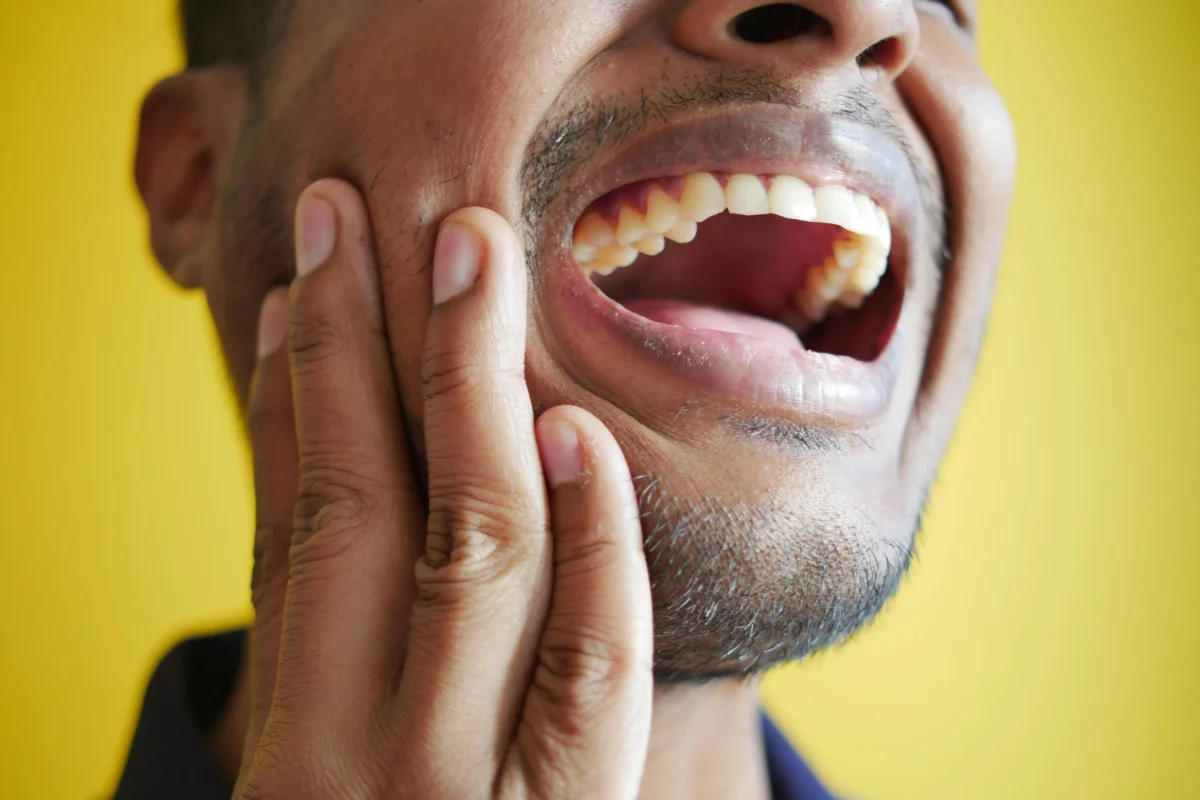
Many people experience occasional jaw stiffness, but persistent discomfort or clicking sounds when opening the mouth may point to problems with the jaw joint.
The temporomandibular joint (TMJ) connects the jawbone to the skull and allows the mouth to open and close smoothly.
Signs of TMJ issues include
- Jaw pain or tightness
- Clicking or popping sounds
- Difficulty opening the mouth fully
- Headaches around the temples
Small Cracks or Rough Edges
Tiny cracks in teeth can develop slowly from everyday wear and tear.
You may notice
- A rough edge when running your tongue across a tooth
- Sensitivity when biting down
- Occasional discomfort when chewing
Cracks can form from
- Grinding teeth at night
- Chewing very hard foods
- Previous dental work weakening a tooth
- Minor trauma to the mouth
Dry Mouth
Saliva plays a critical role in protecting teeth. It helps wash away food particles, neutralise acids, and limit bacterial growth.
When saliva production decreases, the mouth becomes more vulnerable to decay and gum disease.
Common causes of dry mouth include
- Certain medications
- Dehydration
- Smoking
- Mouth breathing
- Medical conditions affecting saliva glands