

Blog
Supporting the Young and Elderly at Home: Balancing IHSS for Adults and Children

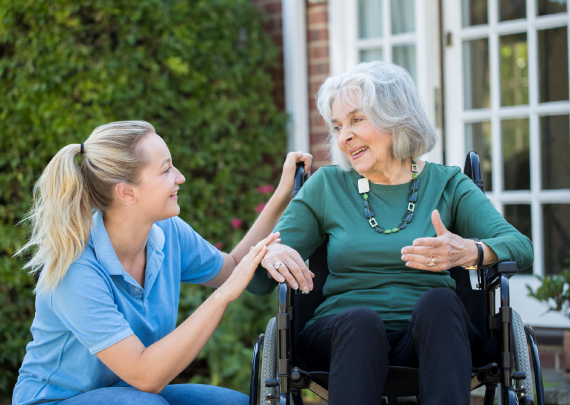
Caring for loved ones at home takes patience, compassion, and the right kind of help. IHSS for adults and children gives families the flexibility to manage support while keeping everyone safe and cared for in a familiar environment. This system allows both younger and older individuals to receive personal assistance without leaving their homes. Families can balance independence and care while maintaining a daily routine that fits their lifestyle.
What IHSS Means for Families
IHSS is designed to help people who need extra care due to age, illness, or disability. It supports both children and adults by allowing them to receive assistance at home instead of in a facility. The program connects families with caregivers who can help with tasks like bathing, dressing, meal preparation, and daily activities.
Parents, adult children, or other family members can even become paid caregivers under IHSS programs. That option gives families peace of mind, knowing their loved ones are receiving care from someone they already trust. It’s a partnership between families and professionals that makes caregiving manageable and meaningful.
The Value of In-Home Support for Children
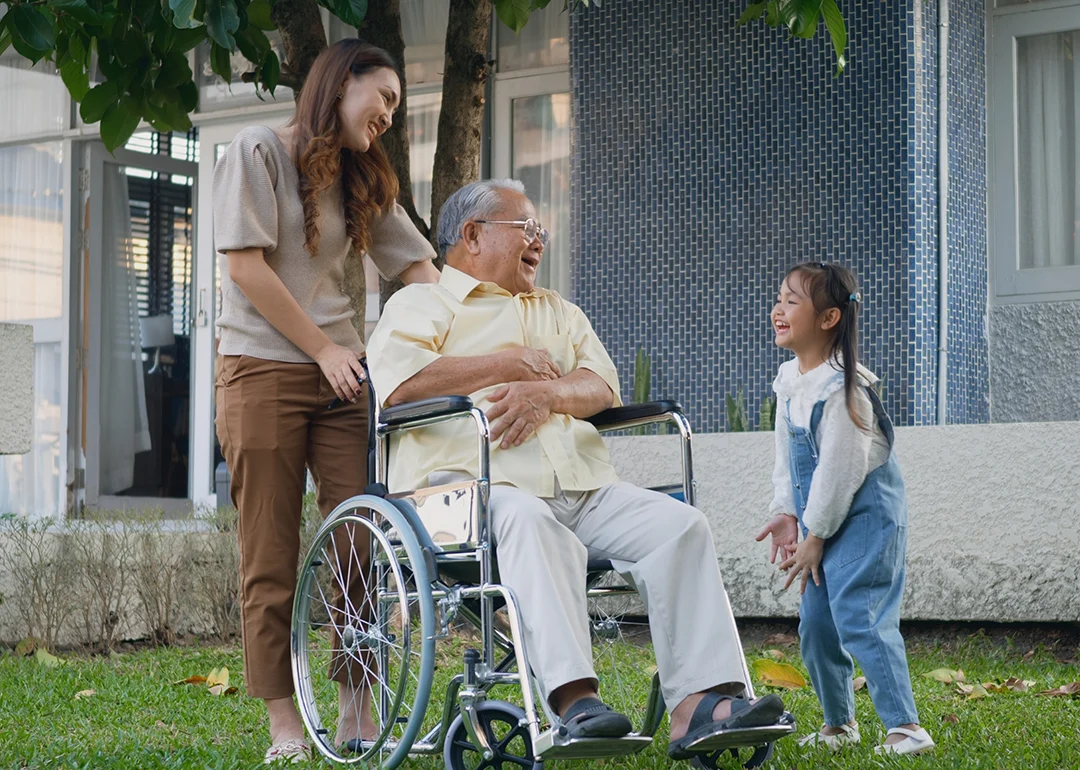
Children with medical conditions or developmental challenges often need specialized attention. In-home care helps parents manage that responsibility while keeping routines consistent. Young children thrive in familiar surroundings, and staying home helps reduce stress from frequent transitions or hospital visits.
Through IHSS, parents or guardians can be trained to care for their children under professional guidance. It helps families save time, reduce outside appointments, and promote comfort for both the child and the caregiver. Families can also coordinate with nurses, therapists, or teachers to create a plan that meets the child’s needs. That blend of home care and professional support keeps children safe and engaged while giving parents confidence in their care approach.
IHSS for Adults and the Elderly
Aging adults benefit greatly from home-based assistance. Many older adults prefer to remain at home rather than move to an assisted living facility. IHSS programs allow them to do exactly that. Caregivers help with basic tasks, medication reminders, or mobility assistance while encouraging independence whenever possible.
Adults with disabilities also find freedom through IHSS programs.
They can continue to live comfortably in their homes with support designed to fit their needs.
For some, that might mean just a few hours of daily help; for others, it could involve more consistent care throughout the day.
This approach keeps dignity and autonomy at the heart of caregiving.
Families don’t have to choose between safety and independence because IHSS blends both in a balanced way.
Balancing the Needs of Both Generations
Families who care for both children and elderly relatives face unique challenges. Time, energy, and emotions often stretch thin between both groups. IHSS programs make it easier to manage that balance by offering structure, training, and financial support.
Parents can split caregiving responsibilities, create routines that fit everyone’s needs, and use IHSS resources to guide daily schedules. For example, a caregiver can assist an elderly parent in the morning and help a child with special needs in the afternoon. This setup reduces stress for caregivers while improving the quality of life for everyone involved.
Benefits of Home-Based Support
Families often discover that in-home care brings comfort and stability to their daily lives. Children feel safer when cared for by familiar faces, and seniors appreciate staying in their own homes. The emotional benefits are just as strong as the practical ones. Being in a familiar space supports better mental health and reduces anxiety for both generations.
Home-based programs also help prevent caregiver burnout. Having structured hours, guidance, and resources helps families manage their time better. They can plan around medical appointments, school schedules, and household duties without feeling overwhelmed. It becomes a coordinated effort rather than a daily scramble for help.
How IHSS Helps Strengthen Family Bonds
Beyond the practical benefits, IHSS strengthens emotional connections within the family. Caring for a loved one deepens understanding and trust. When parents or adult children take on caregiving roles, they often discover new ways to communicate and connect.
IHSS gives families the flexibility to care for each other while still maintaining personal boundaries and goals. Parents can continue to work part-time or manage other responsibilities while knowing their children or elders are cared for. Likewise, seniors can remain active participants in family life, enjoying shared meals or simple conversations that bring joy to everyday routines.
The Role of Caregiver Training and Support
IHSS programs often include caregiver training that teaches families how to manage daily routines safely and efficiently. The training helps caregivers learn how to handle medication reminders, assist with mobility, and maintain proper hygiene standards. It also guides them on how to communicate effectively with doctors and nurses involved in the care plan.
Continuous support is another key element. Caregivers can reach out for advice, report concerns, or request updates to their care plans when needs change. That ongoing communication helps families stay confident and organized.
The Impact on Daily Life
Families who use in-home support often notice positive changes in daily living. Children who receive care at home experience less disruption to their learning and playtime. They remain in an environment that feels natural and safe. Elderly adults enjoy more comfort and stability by staying close to family and familiar surroundings.
This balance creates a smoother rhythm for everyone. Tasks such as preparing meals, attending therapy sessions, or assisting with exercise routines become part of a shared routine. It gives families time to focus on meaningful moments instead of rushing through chores or travel.
Looking Toward a Sustainable Future for Family Care
Home-based support is reshaping how families view caregiving. Instead of moving loved ones to facilities, more people now recognize that care at home can be practical and fulfilling. IHSS programs empower families to manage responsibilities in a structured way while keeping loved ones nearby.
With strong guidance, families can adjust to changing needs as children grow or as seniors age. The flexibility of in-home care creates a foundation for long-term well-being. Families maintain control, independence, and comfort without giving up quality care.
Finding Balance Through Compassion
Balancing the needs of both adults and children takes patience, but IHSS programs make it achievable. Every act of care from helping a child with schoolwork or assisting a grandparent with mobility, builds stronger family bonds.
Families who embrace in-home support discover a more peaceful and connected way of living. It’s about nurturing relationships, maintaining independence, and building a home environment filled with understanding and respect. Through steady support and teamwork, the balance between caring for the young and elderly becomes both possible and deeply rewarding.