

Blog
Smart Charging That Improves Your Daily Life


Managing energy use efficiently has become an important part of modern daily life, whether at home or in small business settings. Smart charging systems offer a practical solution that goes beyond simply powering devices or electric vehicles; they help streamline how energy is used throughout the day. By automatically adjusting charging times and reducing unnecessary power consumption, these systems make everyday routines more convenient and cost-effective.
More than just a charging tool, smart charging technology supports a smoother and more balanced lifestyle.
It helps lower electricity costs, reduces energy waste, and aligns with the growing shift toward sustainable living.
For anyone looking to simplify their daily routine while being more energy-conscious, adopting smart charging is a smart and future-ready step.
What Are Smart Charging Systems?
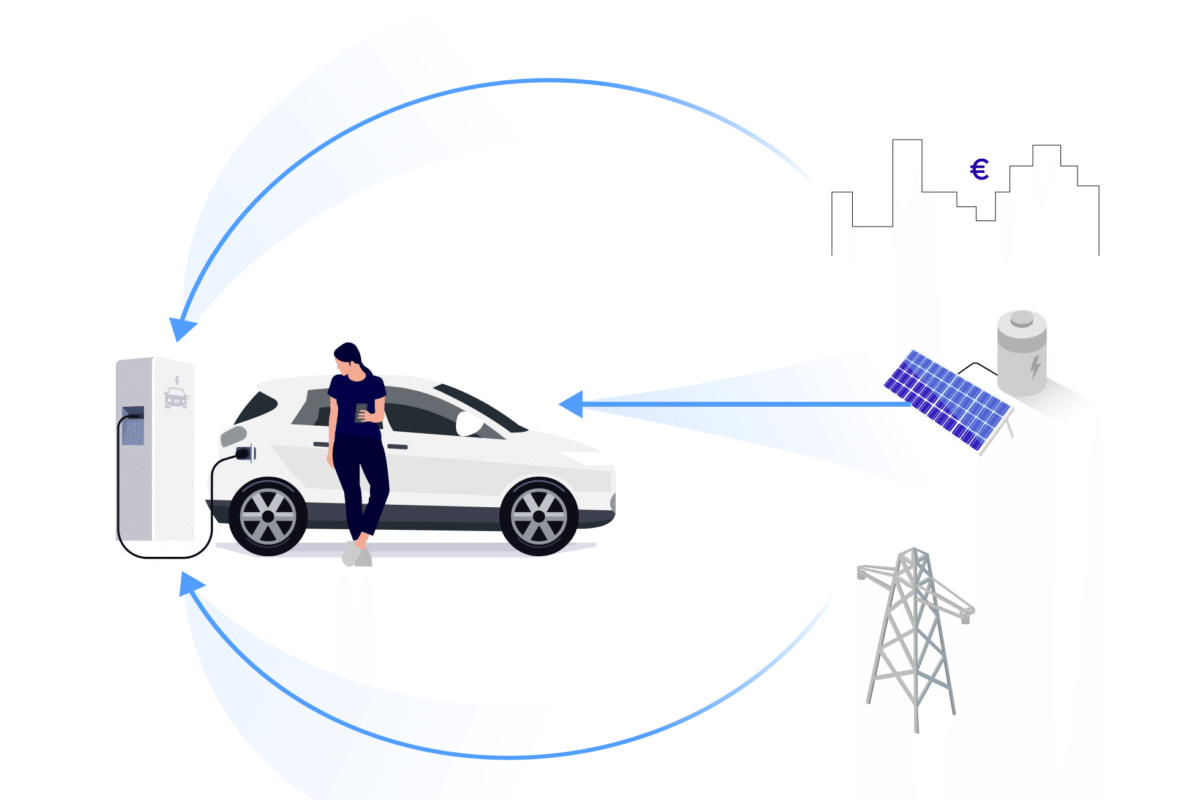
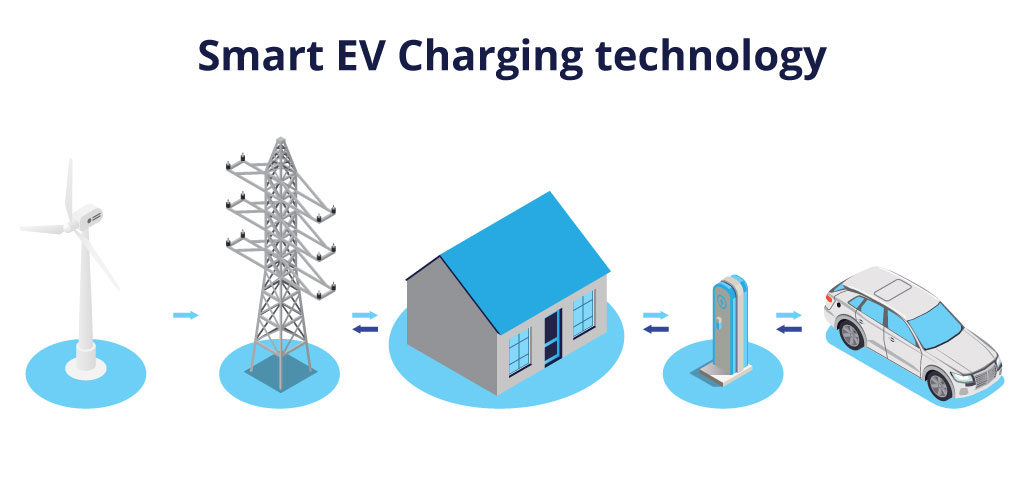
Smart charging systems use advanced software and connectivity to manage when and how electric vehicles charge. Unlike traditional chargers that operate at full power whenever plugged in, smart systems communicate with the grid, vehicles and building management systems to optimise charging times and energy distribution.
Think of it as having a brain behind your charging station. This technology analyses factors like electricity prices, grid demand and your business’s energy usage patterns. It then makes real-time decisions about when to charge, how much power to use and how to balance energy across multiple vehicles or operations.
The result? Lower energy bills, reduced strain on your electrical infrastructure and a more sustainable approach to powering your fleet or facilities.
Benefits for Your Business
Lower Energy Costs
One of the most immediate advantages is cost savings. Smart charging systems can schedule charging during off-peak hours when electricity rates are lower. Over time, these savings add up significantly, especially for businesses with multiple vehicles or high energy demands.
Some systems even respond to dynamic pricing, automatically adjusting charging schedules when rates drop. This means you’re always getting the best deal without lifting a finger.
Reduced Strain on Electrical Infrastructure
Traditional charging can overwhelm your existing electrical infrastructure, requiring expensive upgrades to handle the load. Smart systems distribute power more efficiently across your facility, preventing overloads and making better use of your current capacity.
This intelligent load management means you can often delay or avoid costly infrastructure upgrades, saving thousands in capital expenses.
Better Integration with Renewable Energy
If your business uses solar panels, wind turbines or other renewable energy sources, smart charging systems maximise that investment. They can prioritise charging when renewable energy is abundant, reducing reliance on grid power and lowering your carbon footprint.
These renewable energy connections become even more valuable as electricity prices fluctuate. Your system can automatically shift charging to times when your solar panels are producing peak power, for example, ensuring you use clean energy you’ve already generated rather than buying from the grid.
Improved Flexibility and Control
Modern smart charging platforms give you complete visibility and control through user-friendly apps or dashboards. You can monitor charging status, adjust schedules, set priorities and receive alerts, all from your phone or computer.
This flexibility is invaluable for businesses with varying operational needs. Perhaps you need certain vehicles ready by a specific time, or you want to ensure overnight charging happens when rates are lowest. Smart systems make these preferences easy to set and forget.
Enhanced Grid Stability
Smart charging doesn’t just benefit your business; it helps the entire energy grid run more smoothly. By spreading out demand and avoiding peak times, these systems reduce stress on the grid and support a more stable energy supply for everyone.
Some advanced systems even participate in demand response programs, where utilities compensate businesses for reducing consumption during high-demand periods. This creates an additional revenue stream while contributing to grid reliability.
How Smart Charging Improves Operational Efficiency
Automated Energy Management
Manual energy management is time-consuming and prone to human error. Smart charging automates this process, freeing up staff to focus on core business activities. The system continuously optimises charging based on your preset parameters and real-time conditions.
This automation extends to reporting as well. Detailed analytics show exactly where energy is going, helping you identify opportunities for further efficiency improvements.
Predictive Maintenance
Many smart charging systems include predictive maintenance features that monitor equipment health and alert you to potential issues before they become problems.
This proactive approach reduces downtime and extends the lifespan of both charging equipment and vehicles.
Regular maintenance reminders and performance tracking ensure your charging infrastructure stays in top condition, avoiding costly repairs and operational disruptions.
Scalability for Growth
As your business grows, smart charging systems scale with you. Adding new charging points or vehicles doesn’t require a complete overhaul; the system adapts and continues optimising across your expanded operations.
This scalability is particularly valuable for businesses planning to electrify their fleets gradually.
You can start small and grow your charging infrastructure as needed without worrying about compatibility or capacity issues.
Implementing Smart Charging in Your Business
Assess Your Current Electrical Infrastructure
Before installing smart charging, evaluate your existing electrical setup. Understanding your current capacity, usage patterns and any limitations helps determine what type of system will work best for your needs.
This assessment might reveal opportunities to upgrade other aspects of your electrical infrastructure alongside smart charging implementation, maximising efficiency gains.
Choose the Right System
Not all smart charging systems are created equal. Consider factors like the number of vehicles you need to charge, your operational hours, integration with existing systems and future expansion plans.
Look for systems that offer the features most relevant to your business, whether that’s renewable energy connections, vehicle-to-grid capabilities or advanced analytics.
Plan Your Installation
Work with experienced installers who understand both the technical requirements and your business operations. Proper planning ensures minimal disruption during installation and optimal placement of charging points.
Consider factors like cable routing, accessibility, weather protection and proximity to your electrical panel when designing your charging layout.
Train Your Team
Even the most advanced system needs users who understand how to operate it effectively. Provide training for staff who will interact with the charging system, covering everything from basic operation to troubleshooting common issues.
This investment in training pays dividends through better system utilisation and faster adoption across your organisation.
The Future of Smart Charging
Smart charging technology continues to evolve rapidly. Emerging features like vehicle-to-grid (V2G) technology allow electric vehicles to send power back to the grid or your building during peak demand, creating new opportunities for cost savings and grid support.
Artificial intelligence and machine learning are making systems even smarter, learning from patterns and continuously improving optimisation strategies. Integration with broader building management systems means charging becomes part of a holistic approach to energy efficiency.
As more businesses adopt electric vehicles and electric vehicle charging hubs become standard, smart charging will be essential infrastructure rather than a nice-to-have upgrade.
Making the Smart Choice
Smart charging systems represent a practical investment in your business’s efficiency and sustainability. They reduce costs, protect your electrical infrastructure and prepare you for an increasingly electric future.
The technology has matured to the point where implementation is straightforward and the benefits are measurable from day one. Whether you’re running a small fleet or managing a large operation, smart charging offers tangible improvements to your bottom line and operational efficiency.
Start by assessing your current situation, identifying your priorities and exploring which systems align with your business needs. The sooner you implement smart charging, the sooner you’ll start reaping the benefits of more efficient, cost-effective operations.