

Blog
How to Travel on the Madinah to Makkah Arabian trains Timings, Tickets & Guides

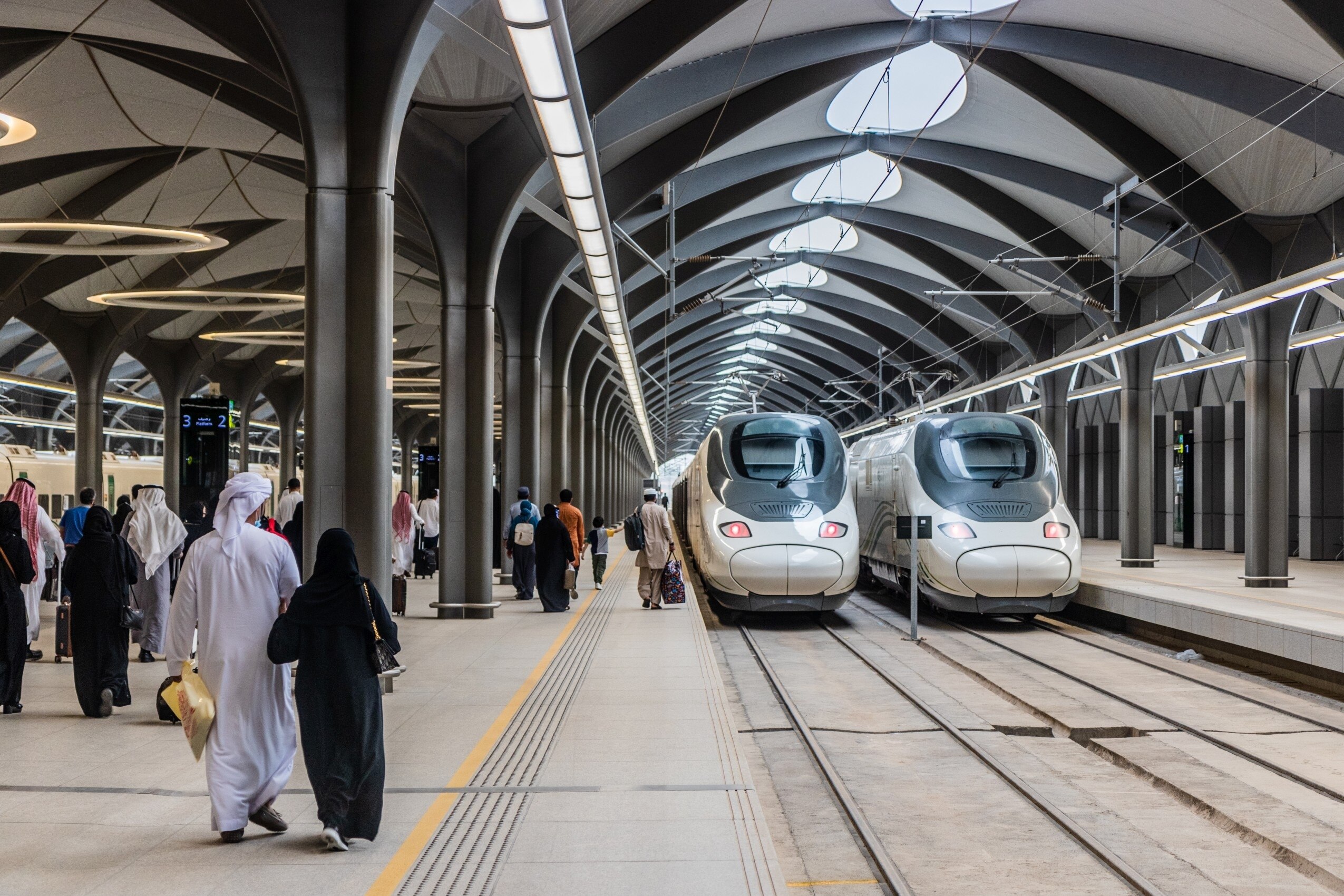
Traveling between Madinah and Makkah is a key part of the journey for Umrah visitors, Hajj pilgrims, and general travelers in Saudi Arabia. For many years, buses and private cars were the main options. Today, the Madinah to Makkah train has changed how people move between these two cities.
This guide explains the full travel process in clear and simple words. It focuses on timings, ticket booking, station experience, and practical advice that real travelers find useful. The information here is based on traveler feedback, transport planners, and Umrah group organizers who regularly arrange this journey.
Overview of the Madinah to Makkah Train Service
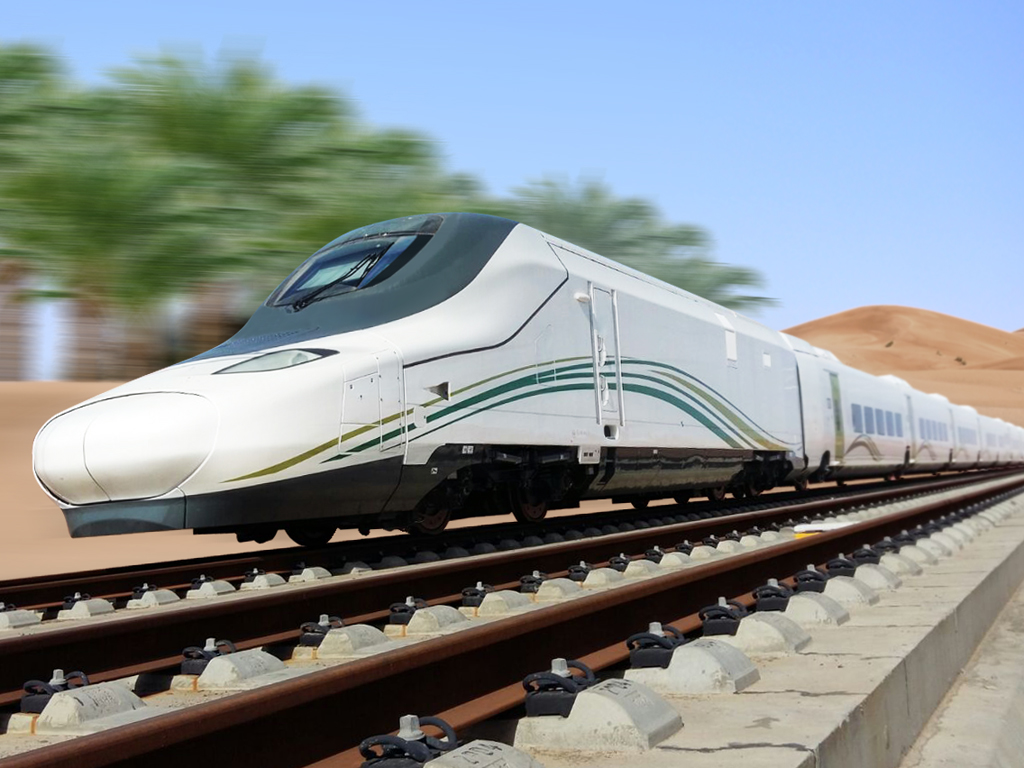
The Madinah to Makkah train is part of the Haramain High Speed Railway, a modern rail system created mainly to serve pilgrims. The train connects important cities in western Saudi Arabia and runs on its own dedicated tracks.
This service is known for its speed, clean environment, and organized process. Many travelers prefer it because it avoids long road trips and traffic delays.
Key points travelers often mention
• Faster than road travel
• Comfortable seating
• Reliable schedule
• Clear signs and announcements
• Safe option for families and elderly people
A transport advisor working with Umrah operators shared that train use has reduced late arrivals and health complaints among elderly pilgrims, especially during busy seasons.
Distance and Travel Time Between the Two Cities
The distance between Madinah and Makkah is around 450 kilometers. Road travel time can change due to traffic, rest stops, and weather. The train follows a direct rail route that keeps travel time stable.
Most trains complete the journey in about two to two and a half hours. Some services include a short stop along the way, but this does not cause major delays.
What affects travel duration
• Time of departure
• Seasonal crowd levels
• Short technical stops
• Boarding speed
Travelers often say the journey feels shorter because the ride is smooth and quiet, without sudden stops or heavy movement.
Daily Train Timings and Schedule Planning
Train timings change based on demand and season. During Umrah and Ramadan periods, more trains are added to manage crowds. Outside peak times, schedules are lighter but still regular.
Morning and late evening trains are often calmer. Midday services may be busier, especially during school holidays.
General timing tips
• Early morning trains are less crowded
• Evening trains fill quickly in Ramadan
• Weekday travel is smoother than weekends
• Booking early helps secure preferred times
A station supervisor once explained that passengers who arrive early experience less stress and move through checks more easily.
Madinah Train Station Experience Before Departure
The train station in Madinah is located outside the central mosque area. This helps manage large crowds and keeps departures on time. Reaching the station by taxi or hotel shuttle is simple.
Inside the station, passengers find wide walkways, seating areas, and clear signs in Arabic and English. Security checks are present but move quickly.
Facilities available at the station
• Large waiting halls
• Prayer rooms
• Clean washrooms
• Food and drink counters
• Help desks for tickets and guidance
Many elderly travelers appreciate the elevators and wheelchair assistance provided by station staff.
Makkah Train Station and Arrival Process
The train station in Makkah is located in the Al Rusaifah area. It is outside the Haram boundary, which helps manage traffic flow. After arrival, travelers continue their journey to hotels or Masjid al-Haram by road.
The arrival process is well organized. Staff guide passengers toward exits and transport areas.
Common transport choices after arrival
• Hotel shuttle buses
• Licensed taxis
• Group transport arranged by Umrah companies
Travel planners suggest arranging hotel transport in advance during peak seasons to avoid waiting.
Seating Options and Comfort on the Train
The train offers two seating classes designed for comfort. Both are clean, air-conditioned, and suitable for short journeys.
Economy class meets the needs of most travelers. Seats are comfortable, and leg space is reasonable. Business class offers wider seats and a quieter environment, which some elderly travelers prefer.
What passengers often notice onboard
• Smooth and quiet ride
• Comfortable temperature
• Clear stop announcements
• Helpful staff presence
There is no standing travel allowed, so every passenger must have a confirmed seat.
Ticket Booking Methods and Practical Advice
Tickets can be booked through several methods. Online booking is the most popular option because it saves time and avoids queues at the station.
Booking early is very important during Ramadan, Hajj, and school holidays. Tickets can sell out quickly during these times.
Ways to book tickets
• Official railway website
• Mobile booking applications
• Station ticket counters
• Authorized Umrah and travel agents
Helpful booking advice
• Use passport details exactly
• Check date and time carefully
• Save digital and printed copies
• Confirm booking one day before travel
A travel agent shared that most ticket issues happen due to name spelling errors, so careful entry of details is important.
Ticket Prices and Value Comparison
Ticket prices depend on seat class, demand, and season. Prices may rise during peak Umrah periods and drop during quieter months.
Many travelers feel the price is fair when compared to time saved and comfort provided.
Below is a simple comparison to help understand value.
| Travel Option | Average Time | Comfort Level | Suitable For |
|---|---|---|---|
| Train | About 2 to 2.5 hours | High | Families and elderly |
| Bus | 5 to 7 hours | Medium | Budget travelers |
Travel experts often recommend the train for those who value rest and time, especially before Umrah rituals.
Luggage Rules and Packing Guidance
The train allows standard luggage but has rules to keep aisles clear and boarding smooth. Most travelers can carry one large suitcase and one small hand bag.
Very large or oddly shaped items may not be accepted. Zamzam water must follow official transport rules.
Packing tips for train travel
• Use wheeled suitcases
• Keep documents in a hand bag
• Label luggage clearly
• Avoid overpacking
Experienced travelers suggest keeping prayer items and medicines in a small bag that stays with you.
Boarding Process and Security Checks
Boarding is similar to airport travel but simpler. Passengers go through security screening and ticket checks before entering the platform area.
Arriving early helps avoid rushing and confusion.
Steps before boarding
• Ticket and ID check
• Security screening
• Waiting in assigned area
• Guided entry to the train
Families and elderly passengers can request assistance if needed.
Services and Facilities During the Journey
The train is designed to meet basic traveler needs. Each coach has clean restrooms, and seating areas are arranged to allow easy movement.
Food service is limited, so many travelers bring light snacks.
Onboard facilities include
• Clean restrooms
• Overhead luggage space
• Reading lights
• Power sockets in some seats
A railway staff member shared that trains are cleaned after every journey to maintain hygiene, especially during Umrah seasons.
Best Time of Year to Use the Train
The train runs throughout the year, but travel experience can change based on season.
Ramadan evenings are often crowded due to Umrah demand. Hajj season requires early booking. Outside peak seasons, travel is calmer.
Seasonal travel tips
• Book early in Ramadan and Hajj months
• Choose weekdays when possible
• Avoid peak prayer times for travel
Planning ahead makes a big difference during busy periods.
Advice for Families and Elderly Travelers
Families and elderly pilgrims often prefer the train because it reduces physical strain. The smooth ride and short travel time help travelers stay rested.
Helpful advice
• Request wheelchair assistance if needed
• Choose seats near restrooms
• Carry essential medicines
• Arrive early to avoid stress
Many elderly travelers say the train helps them save energy for worship once they reach Makkah.
Common Issues and How to Avoid Them
Some travelers face problems due to lack of planning. Knowing common issues helps avoid them.
Common issues
• Late arrival at the station
• Name mismatch on tickets
• No transport arranged in Makkah
• Carrying oversized luggage
Travel planners suggest checking all details a day before departure.
Final Thoughts on Traveling by Train From Madinah to Makkah
The Madinah to Makkah train has become one of the most trusted travel options between the two holy cities. It saves time, offers comfort, and reduces travel stress.
With proper planning, correct ticket booking, and early arrival, the journey can be smooth and peaceful. This guide was written to help you prepare with confidence and avoid common mistakes.
For many travelers, choosing the train means arriving in Makkah rested and ready for worship, which makes the journey more meaningful and comfortable.