

Blog
The Tiny Layer Between a Normal Step and a Bad Fall

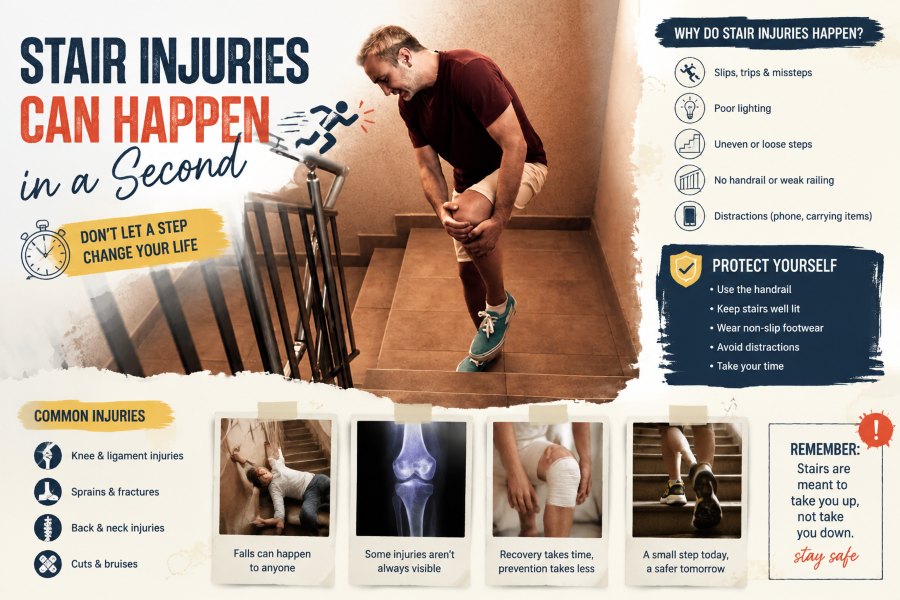
Walking is so automatic that most people rarely think about the amount of traction needed for every step. Then a little water reaches a smooth floor, dust settles across a work area, or rain gets tracked through an entrance. Suddenly, an ordinary surface doesn’t behave the way someone expects, and there may be almost no time to recover.
Slips often happen in seconds, but the conditions that create them can develop throughout the day. Flooring, moisture, debris, and footwear all affect how securely someone moves across a surface. Improving any one of those factors can contribute to a safer environment.
Footwear is particularly important because it’s the point where every step meets the floor. In situations where additional temporary traction is useful, one practical consideration may be anti-skid shoe covers.
Why Slips Happen So Easily
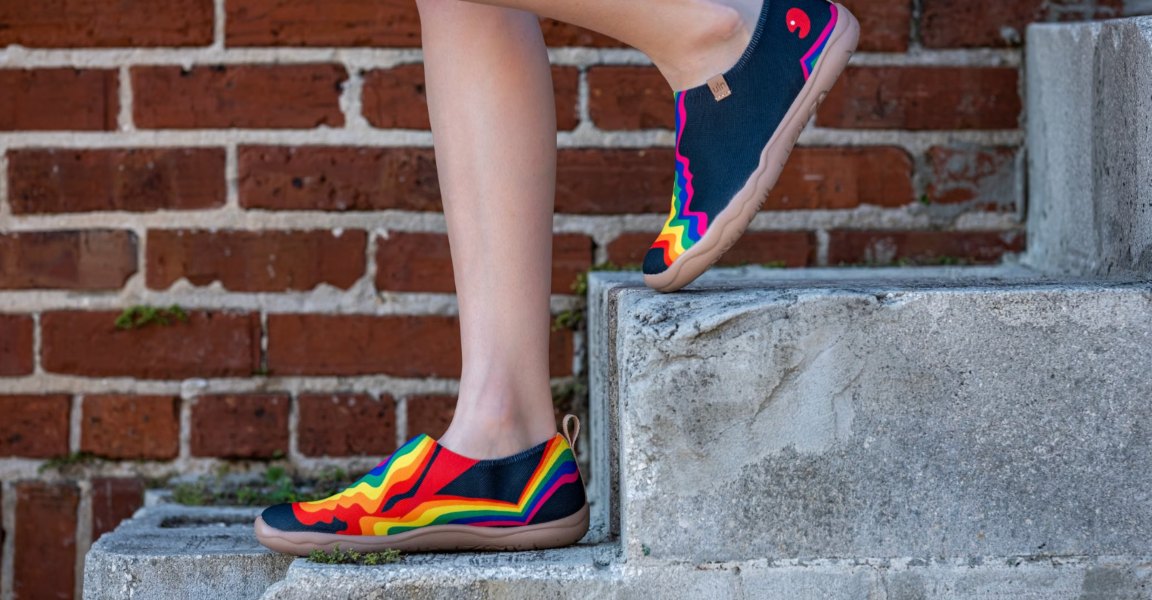
A floor doesn’t have to be covered in water to become slippery. Small amounts of moisture tracked inside on rainy days can reduce traction, especially on smooth tile, polished concrete, or other hard surfaces where water spreads into a thin layer.
Dust, fine debris, grease, and cleaning residue can create similar problems. A surface may look perfectly normal while offering noticeably less grip than someone expects, making the hazard difficult to recognize before taking the next step.
Conditions can also change quickly. A busy entrance may be dry early in the morning and slippery twenty minutes later, which is why preventing falls requires attention to changing surroundings rather than assuming familiar floors are always predictable.
The Role Footwear Plays in Everyday Safety
Every step depends on contact between footwear and the surface underneath it. Tread patterns can help create grip, while the materials used on the sole influence how the shoe behaves across different types of flooring and changing conditions.
Wear matters too. Shoes that originally offered good traction may become less effective as tread gradually disappears or the sole becomes smoother through repeated use. Contaminants stuck to footwear can further change the amount of available grip.
No footwear can eliminate every slipping hazard, but selecting appropriate traction for the environment adds another layer of protection. It works best alongside efforts to keep walking surfaces clean, dry, visible, and properly maintained.
Where Extra Traction Matters Most
Some environments experience changing floor conditions more frequently than others. Healthcare facilities, construction areas, manufacturing workplaces, commercial kitchens, and busy entrances may all encounter moisture, debris, or temporary surface changes during normal operations.
Homes can present unexpected risks as well. Cleaning floors, completing renovation projects, entering with wet shoes, or moving across particularly smooth surfaces can create situations where additional attention to traction becomes useful.
The appropriate precautions depend on the environment and the specific hazard. Evaluating how people move through a space, what substances may reach the floor, and how quickly conditions change can help identify where extra protection deserves consideration.
Building Safer Habits Beyond Footwear
Preventing slips requires more than focusing on what people wear. Good housekeeping helps keep walking areas free from clutter, moisture, and debris that could unexpectedly reduce traction or create additional hazards.
Quick spill response is particularly important. Cleaning a problem promptly and using appropriate warning signs can help protect people while the area is being addressed. Regular floor maintenance can also prevent damaged or poorly maintained surfaces from creating unnecessary risks.
Awareness ties these measures together. Employees and occupants who know what hazards to watch for are more likely to report problems, respond appropriately, and adjust their movements when temporary conditions make a familiar area less predictable.
Conclusion
A serious fall can begin with something as minor as a wet footprint, a dusty surface, or a moment when footwear doesn’t grip the floor as expected. Because these conditions can appear quickly, prevention works best when several protective measures support one another.
Appropriate footwear, good housekeeping, prompt spill cleanup, visible warnings, and properly maintained floors each contribute to safer walking environments. None replaces the others, but together they can reduce opportunities for ordinary steps to become unexpected accidents.
The smallest safety measures are often easy to overlook precisely because they seem so simple. Paying attention to traction and changing floor conditions can help prevent avoidable incidents before anyone has to discover the hazard the hard way.