

Blog
What If Better Sleep Didn’t Require a CPAP Machine

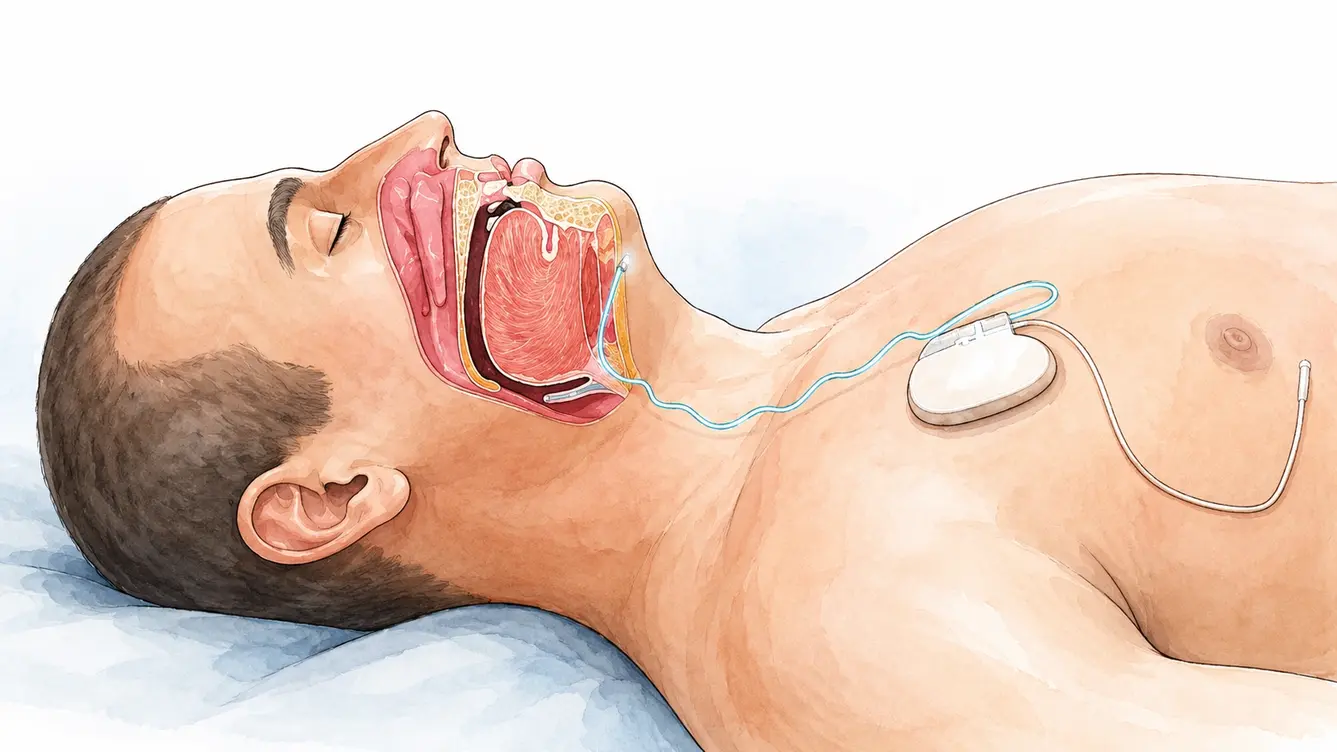
Many people diagnosed with sleep apnea begin treatment expecting a CPAP machine to solve the problem, only to discover that adjusting to nightly therapy isn’t always easy. While CPAP remains an effective treatment for many individuals, some struggle with the mask, airflow, or the challenges of using the equipment consistently over time.
Difficulty sleeping with a device, traveling with equipment, or maintaining long-term compliance can leave people wondering whether they have other options. Those questions are common, especially when treatment feels more frustrating than restful. The important thing is recognizing that every person’s situation is different and deserves an individualized approach.
Sleep apnea affects people in different ways, and treatment should reflect those differences. That’s why many patients ask their healthcare provider whether a CPAP alternative may be appropriate for their specific diagnosis and medical needs.
Why CPAP Isn’t the Right Fit for Everyone
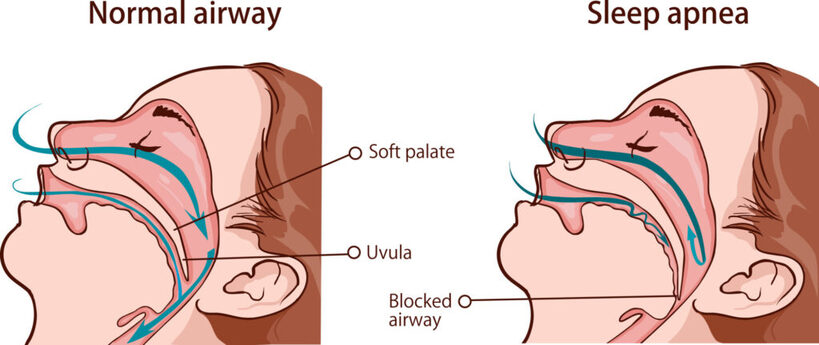
CPAP therapy has helped countless people improve their sleep, but it isn’t equally comfortable for every patient. Some individuals have difficulty adjusting to wearing a mask throughout the night, while others find the sensation of continuous airflow challenging during the first weeks of treatment.
Practical concerns can also affect long-term success. Traveling with equipment, cleaning the device regularly, and maintaining a consistent routine may become difficult for people with busy schedules or lifestyles that involve frequent trips away from home.
Even motivated patients sometimes struggle with compliance despite understanding the benefits of treatment. When therapy becomes difficult to maintain, it’s important to discuss those challenges with a healthcare provider rather than simply discontinuing treatment altogether.
Understanding That Treatment Isn’t One Size Fits All
Sleep apnea varies considerably from one person to another. The severity of airway obstruction, overall health, sleeping position, body structure, and other medical conditions all influence how the disorder affects each individual.
Because of those differences, treatment plans should be personalized instead of assuming one solution will work equally well for everyone. A therapy that produces excellent results for one patient may be less suitable for someone with different symptoms or medical circumstances.
Careful evaluation helps healthcare providers determine which approaches deserve consideration. The goal isn’t simply treating the diagnosis but finding an option that patients can realistically follow while addressing their individual needs.
Other Approaches That May Be Considered
Several physician-guided treatment options may be appropriate depending on the cause and severity of sleep apnea. Oral appliance therapy, for example, may help certain patients by repositioning the jaw during sleep to support a more open airway.
Other individuals may be evaluated for treatments such as Inspire therapy, positional therapy, weight management strategies, or surgical procedures when medically appropriate. Each approach has specific indications, benefits, and limitations that require careful professional assessment.
No single treatment is universally appropriate. The best option depends on a thorough evaluation, diagnostic testing, and a conversation between the patient and a qualified healthcare provider about personal goals and medical history.
Finding the Right Solution With Professional Guidance
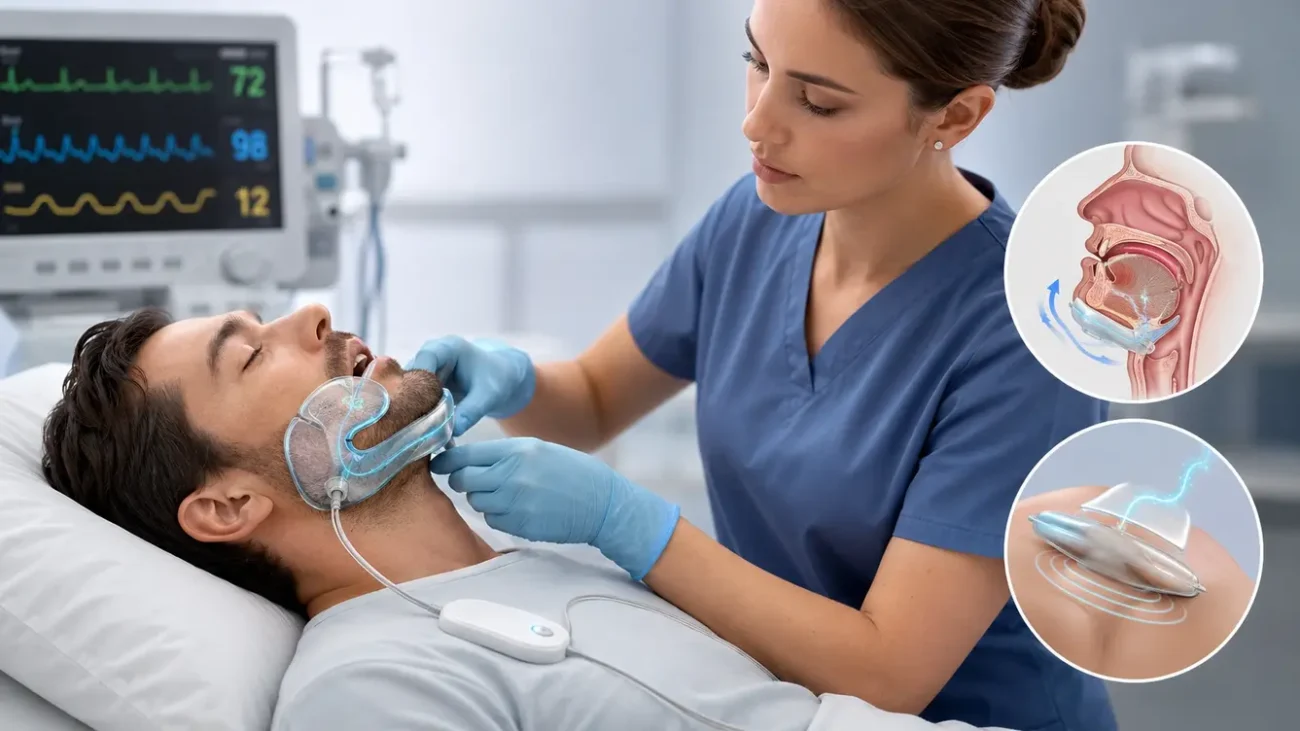
Choosing an effective treatment begins with an accurate diagnosis. Sleep evaluations and diagnostic testing provide important information about the severity and characteristics of a person’s sleep apnea before treatment recommendations are made.
Follow-up care remains equally important. As symptoms change or new concerns develop, healthcare providers can monitor progress, adjust treatment, and determine whether additional testing or different approaches should be considered over time.
Open communication helps improve long-term success. Patients who discuss concerns about comfort, effectiveness, or compliance give their providers valuable information that supports more personalized and effective care throughout the treatment process.