

Blog
Why Modern Cars Need More Than a Simple Repair After a Collision

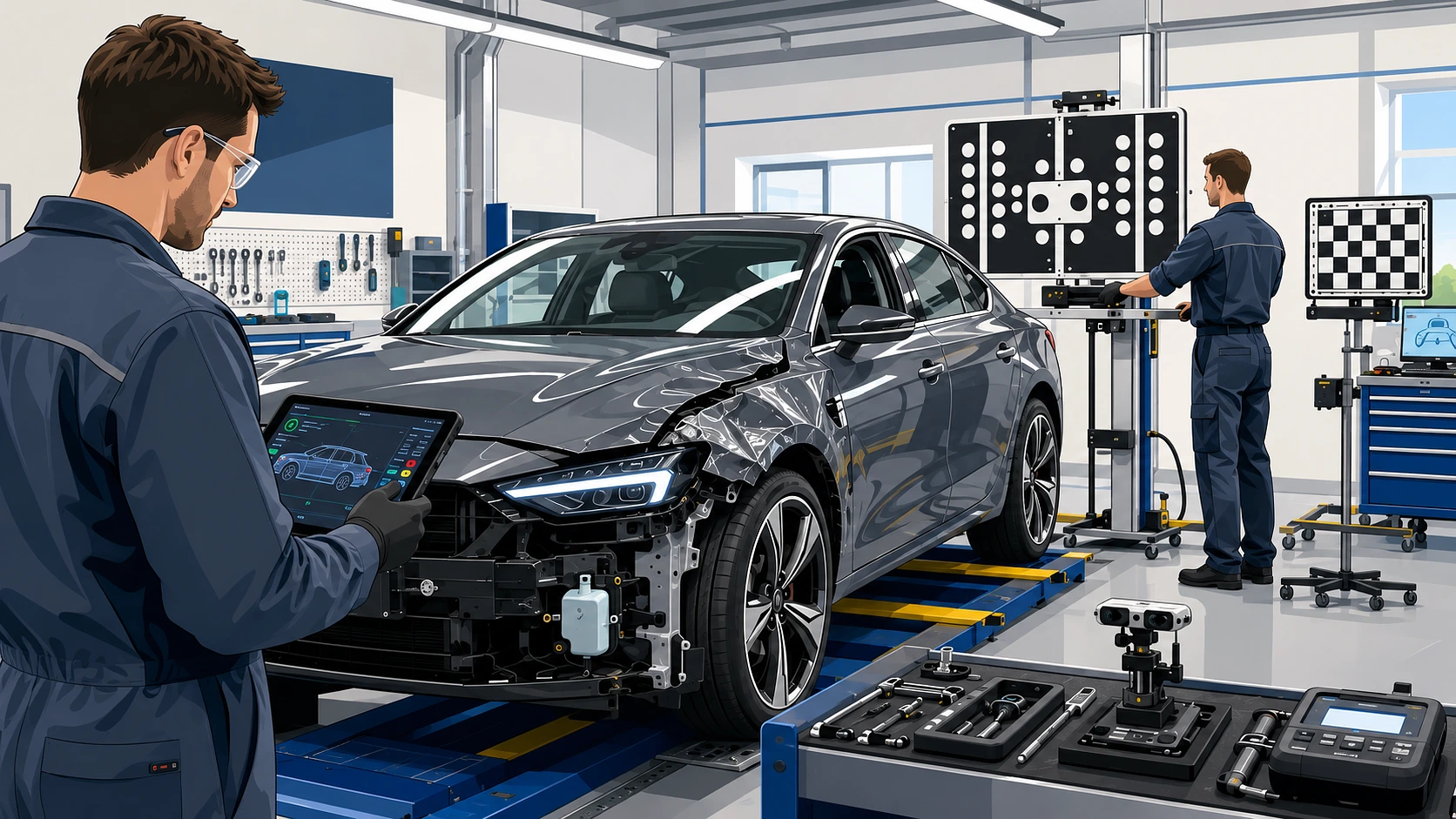
A minor collision might leave only a scratched bumper or a dented panel, but vehicles are far more sophisticated than they appear on the surface. Beneath the exterior are advanced safety systems, sensors and cameras that work together to help prevent accidents. Even a low speed impact can affect these components without leaving obvious signs of damage.
That’s why repairing a modern vehicle involves much more than replacing damaged parts and applying fresh paint. Many manufacturers recommend ADAS calibrations after certain repairs to ensure safety features such as lane departure warnings, automatic emergency braking, and adaptive cruise control continue to function as intended.
Understanding what happens after a collision can help vehicle owners make informed decisions and avoid repairs that leave important systems operating below their intended performance.
Modern Cars Are Built as Connected Systems
Older vehicles were mainly mechanical. Modern cars still have mechanical parts, but many of those parts now communicate with electronic systems. A camera near the windscreen may monitor road markings. Radar behind a bumper or badge may measure the distance between vehicles. Sensors in the wheels, steering system, mirrors, and body panels may send information to several control modules.
- Radar alignment
- Parking sensors
- Wiring connectors
- Bumper brackets
- Cooling components
- Headlight systems
- Airbag sensors
- Forward collision technology
ADAS Calibration Restores Accurate Sensor Positioning
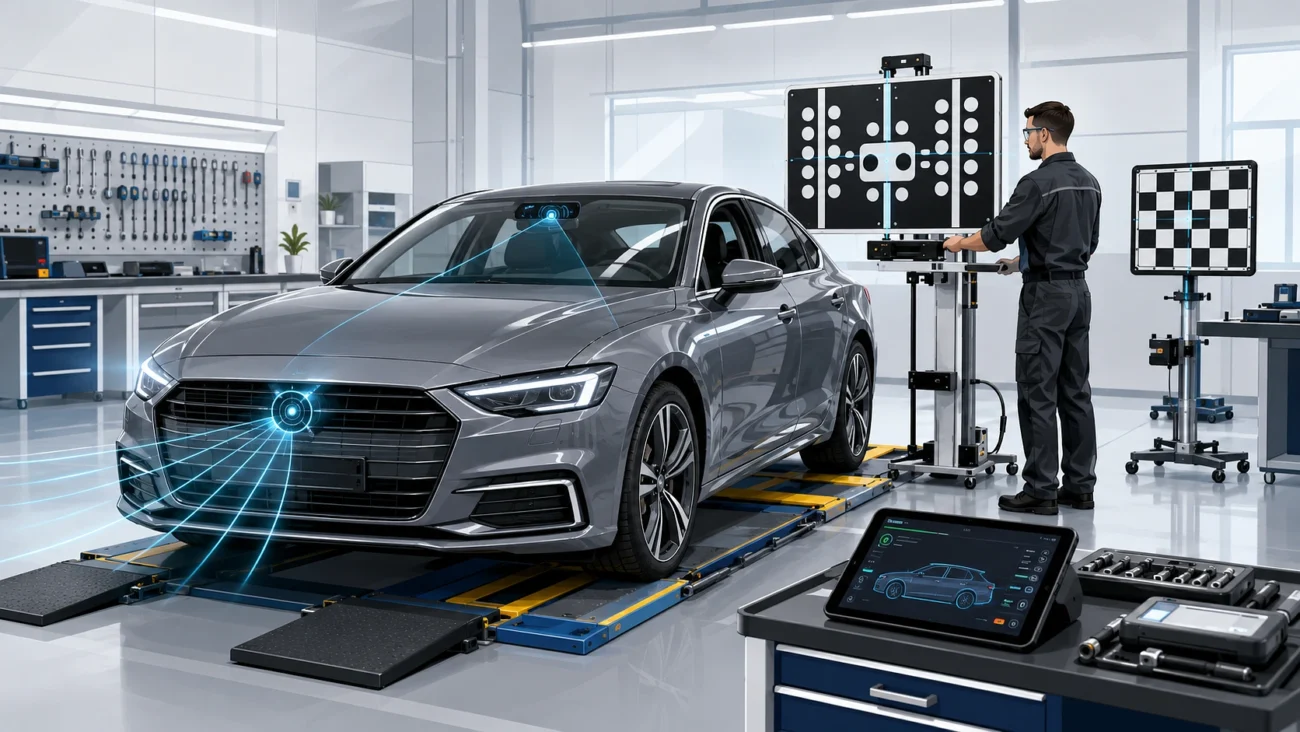
Advanced driver-assistance systems depend on accurate measurements. A camera or radar unit may appear correctly installed but still be positioned slightly outside the required angle. A small change in height, direction, or mounting position can affect how the system interprets surrounding traffic and road markings.
Depending on the vehicle and repair, calibration may be required after:
- Windscreen replacement
- Camera removal or replacement
- Radar removal or replacement
- Bumper repair or replacement
- Grille replacement
- Mirror replacement
- Structural repair
- Suspension work
- Ride-height changes
- Steering repairs
- Wheel alignment
- Certain diagnostic trouble codes
Hidden Damage Is More Common Than You Think
Visible damage only tells part of the story. The force of an impact can affect components hidden behind panels, including brackets, sensors, wiring and structural supports.
Even if your car appears to drive normally after an accident, underlying issues may still exist. Misaligned components can interfere with steering, suspension, or electronic car systems, while damaged sensors may provide inaccurate information to the vehicle’s onboard computers.
A thorough inspection helps identify these hidden problems before they become larger and more expensive to fix.
Safety Technology Depends on Precision
Modern vehicles rely on a network of cameras, radar units and sensors that must work together with remarkable accuracy. These systems measure distances, detect lane markings, and monitor surrounding traffic in real time.
After repairs involving the windscreen, bumper, mirrors, suspension or body panels, these components may require recalibration to restore their original positioning.
Without proper adjustment, safety features may:
- Detect hazards too early or too late
- Provide incorrect warnings
- Fail to respond when needed
- Reduce the effectiveness of driver assistance systems
Quality Repairs Protect Long Term Value
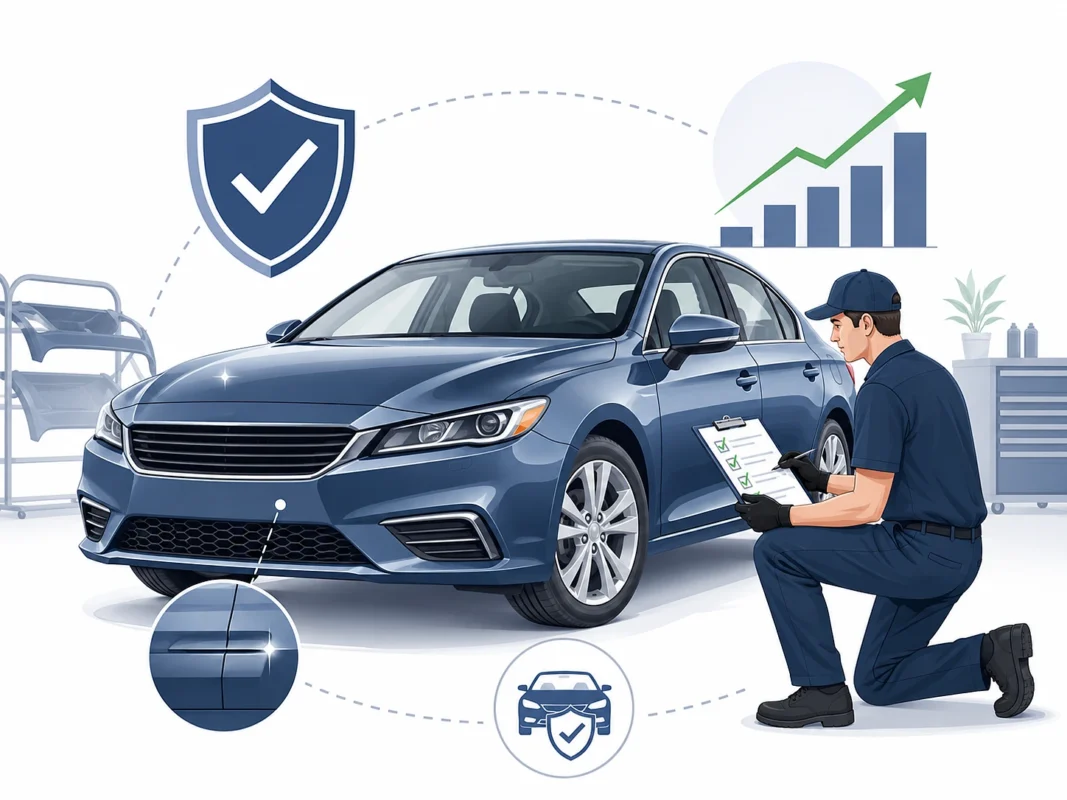
Choosing comprehensive repairs isn’t only about immediate safety. Proper repair procedures help preserve the vehicle’s long-term value and reliability.
Future buyers increasingly expect documented repair records showing that collision damage was repaired correctly. Vehicles with incomplete or poor-quality repairs may be more difficult to sell and could receive lower resale offers.
Investing in proper repairs today may save money in the future while giving owners greater confidence behind the wheel.
Genuine Parts Often Make a Difference
While aftermarket components may sometimes be suitable, certain repairs benefit from genuine manufacturer-approved parts designed specifically for the vehicle.
These parts are engineered to work with the car’s existing safety systems and structural design. Poorly fitting replacements can affect sensor placement, body alignment, or crash performance.
Discussing replacement options with a qualified repairer helps ensure the finished repair meets both safety and quality expectations.
What a Complete Collision Repair May Include
| Repair Stage | Possible Work |
|---|---|
| Initial inspection | Photographing damage and checking visible safety concerns |
| Pre-repair scan | Reading fault codes and identifying electronic issues |
| Disassembly | Removing damaged panels to inspect hidden components |
| Structural inspection | Measuring the body and checking mounting points |
| Mechanical checks | Inspecting steering, suspension, wheels, and cooling systems |
| Parts research | Confirming approved parts and manufacturer procedures |
| Body repair | Repairing or replacing damaged structural and exterior parts |
| Refinishing | Applying paint within material and sensor-area requirements |
| Reassembly | Installing components, wiring, sensors, and trim correctly |
| ADAS calibration | Calibrating cameras, radar, steering, or related systems |
| Post repair scan | Checking for remaining faults or communication problems |
| Quality control | Inspecting fit, finish, operation, and repair documentation |
| Road test | Confirming handling and system performance where appropriate |
Don’t Rush the Repair Process
It’s understandable to want your vehicle back as quickly as possible, especially when daily routines depend on reliable transport. However, quality collision repairs require careful inspection, accurate measurements, and thorough testing.
A proper repair may involve:
- Structural assessments
- Electronic diagnostic scans
- Sensor and camera checks
- Wheel alignment
- Final road testing
Modern vehicles are designed with advanced technology that helps keep drivers and passengers safer than ever before. After a collision, restoring that protection requires more than cosmetic repairs. Comprehensive inspections, precise repairs, and careful testing ensure your vehicle performs as it was designed. By understanding what’s involved, you can make confident decisions that protect both your investment and your safety every time you get behind the wheel.