

Blog
Why Recovery Is About More Than Just Rest


When you are dealing with an injury or persistent pain, your first instinct might be to slow down and wait for your body to heal. While rest is an important part of recovery, it’s rarely the complete solution. In many cases, staying inactive for too long can actually delay progress and make it harder to regain strength and mobility.
Recovery is an active process that involves rebuilding confidence, restoring movement, and supporting your body in the right ways. Whether you hve experienced a sports injury surgery or everyday aches and pains, seeking guidance from a physio in Alexandria can help you recover more effectively by addressing the root cause of the problem rather than simply masking the symptoms.
The good news is that most people can improve their recovery with a few practical habits. By understanding how your body heals, you’ll be better equipped to return to your normal routine safely and with less risk of future setbacks.
Movement Helps the Healing Process
Many injuries benefit from controlled movement rather than complete inactivity. Gentle exercises encourage blood flow, which delivers oxygen and nutrients to healing tissues while reducing stiffness.
The key is choosing movements that support recovery instead of aggravating the injury. Too much activity too soon can cause setbacks, but avoiding movement altogether may weaken muscles and reduce joint flexibility. Finding the right balance allows your body to rebuild strength while protecting injured areas.
Nutrition Plays a Bigger Role Than You Think

Recovery requires energy, even when you’re resting. Your body uses nutrients to repair damaged tissues and reduce inflammation, making a balanced diet an important part of the healing process.
Focus on including:
- Lean protein to support tissue repair
- Colourful fruit and vegetables for vitamins and antioxidants
- Whole grains for sustained energy
- Healthy fats that help regulate inflammation
- Plenty of water to maintain hydration
Quality Sleep Supports Repair
Sleep is often overlooked, but it’s one of the most valuable recovery tools available. During deep sleep, your body releases hormones that assist with muscle repair and tissue regeneration.
To improve sleep quality:
- Maintain a consistent bedtime
- Limit screen use before sleeping
- Create a cool, comfortable bedroom
- Avoid excessive caffeine later in the day
Even small improvements in sleep can have a noticeable impact on recovery and overall wellbeing.
Don’t Ignore Pain Signals
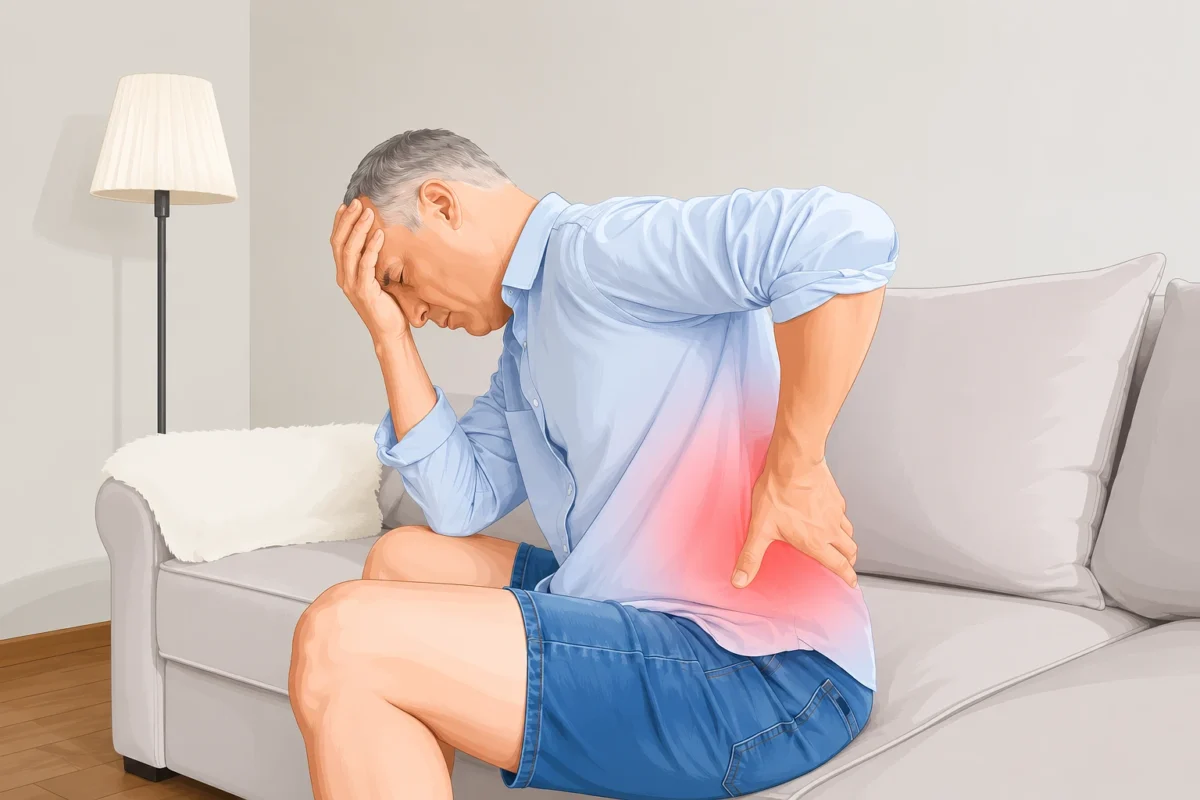
It’s normal to experience some discomfort while recovering, but persistent or worsening pain shouldn’t be ignored. Pain is your body’s way of signalling that something may need attention.
Instead of pushing through discomfort, monitor how your body responds to activity. If symptoms continue to worsen or new problems develop, it’s worth seeking professional advice before the issue becomes more difficult to manage.
Learning to distinguish between normal muscle soreness and warning signs of injury is an important part of recovering safely.
Recovery Is Also Mental
Physical healing is only one part of the journey. Injuries can affect confidence, motivation, and emotional wellbeing, especially if they interfere with work, hobbies, or daily activities.
Setting realistic goals can make recovery feel more manageable. Celebrate small improvements, such as walking farther, reducing pain, or regaining movement. These milestones help maintain motivation and remind you that progress often happens gradually.
Staying positive doesn’t mean ignoring setbacks. Instead, it means recognising that recovery is rarely a perfectly straight path.
Build Habits That Prevent Future Injuries
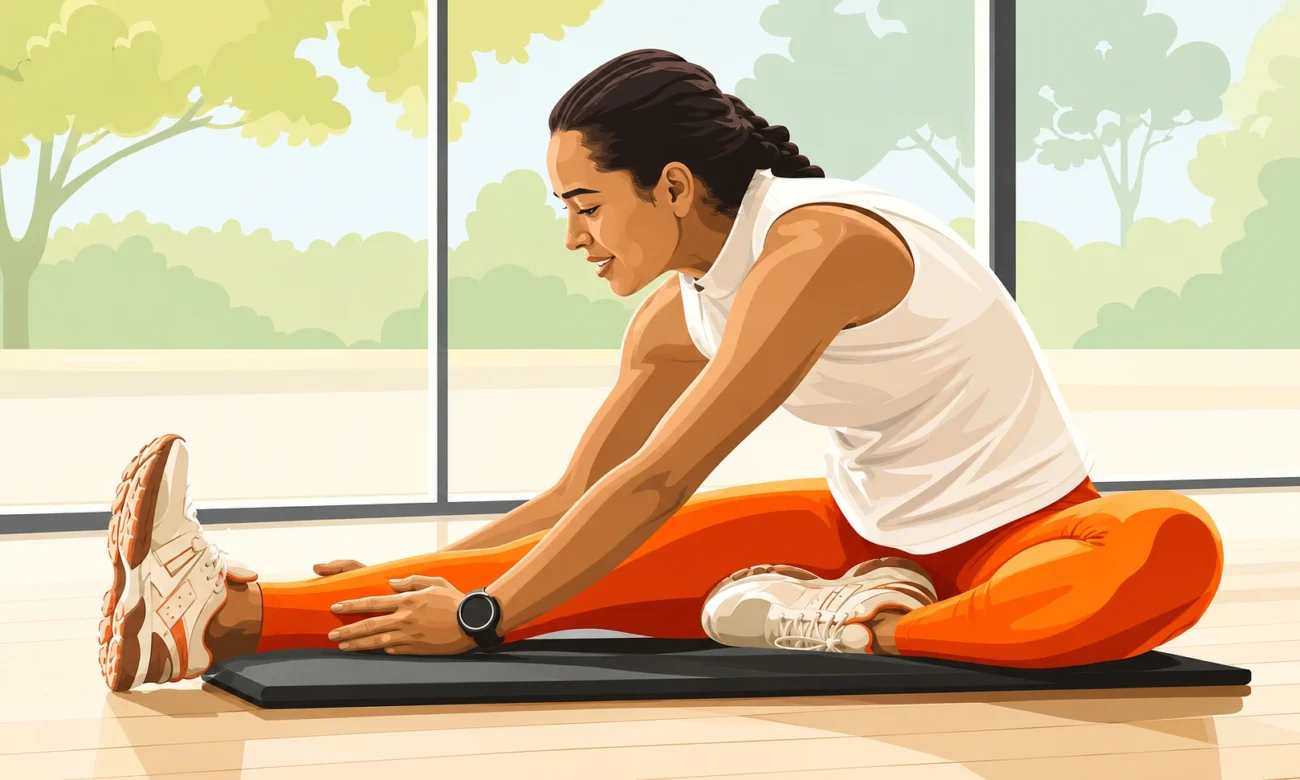
Recovery isn’t just about returning to where you were before it’s an opportunity to become stronger and more resilient. Once you’re feeling better, continue practising healthy habits that support long term mobility.
Simple steps include:
- Warming up before exercise
- Strengthening supporting muscles
- Improving posture during daily activities
- Taking regular breaks from prolonged sitting
- Gradually increasing activity levels
These habits can reduce strain on your body and lower the risk of recurring injuries.
Healing takes time, but successful recovery involves much more than simply waiting. By combining appropriate movement, good nutrition, quality sleep, and professional guidance when needed, you give your body the best chance to recover fully. An active, well-rounded approach not only helps you return to daily life sooner but also builds a stronger foundation for your future health.