

Blog
TACE, SIRT & Beyond: Why International Patients Are Choosing Germany for Liver Cancer Care

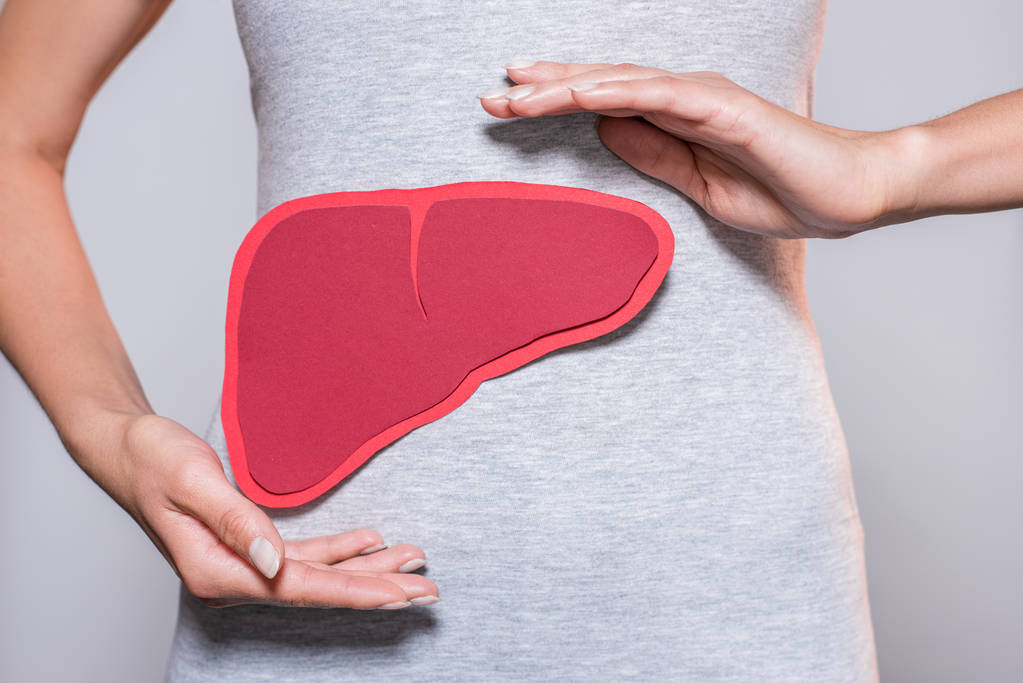
When people start looking for liver cancer treatment, it’s easy to get lost in all the medical terms and different opinions. Many patients check options in Germany simply because the process here is straightforward: doctors explain things clearly, the plan is organized in advance, and procedures such as TACE, SIRT, or ablation are performed every day in specialized centers.
Germany also maintains one of the highest procedure volumes in Europe. For example, more than 1,100 SIRT treatments were performed nationwide in 2019, reflecting both experience and availability in major university hospitals.
For someone coming from abroad, this usually means less stress. You know where to go, what will happen, and who is responsible for your case.
The focus is on clear explanations, quick diagnostics, and treatments that don’t require long recovery times.
This article gives you a simple starting point: how to choose a trusted clinic abroad, where to find reliable hospitals in Germany, and which specialists are known for minimally invasive liver cancer care.
Why Germany Has Become a Hub for Minimally Invasive Liver Cancer Care
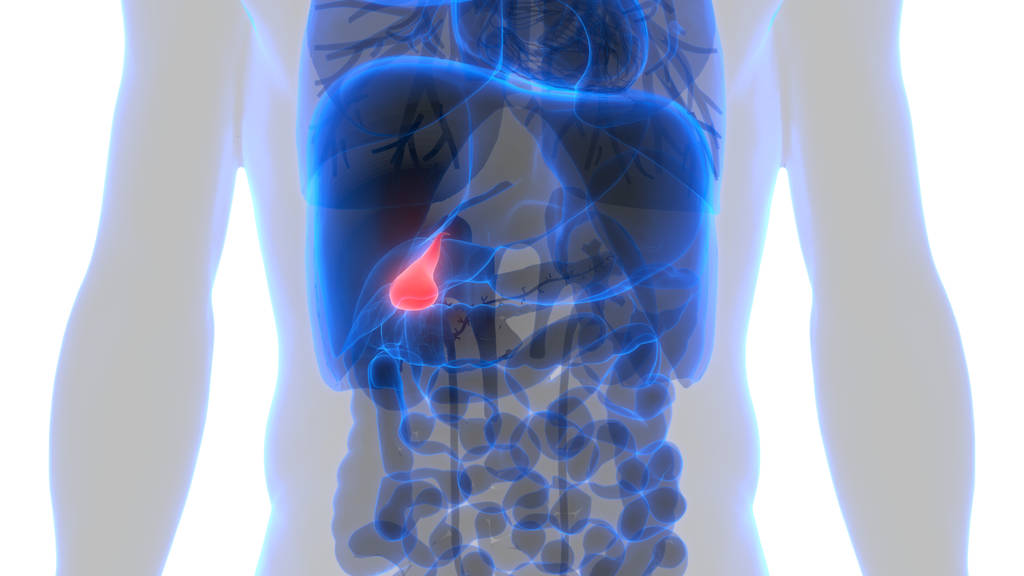
For many patients, the first surprise in Germany is how organized everything feels. Minimally invasive liver treatments aren’t seen as something rare here; they’re part of everyday work in large hospitals. Teams that handle TACE, SIRT, ablation, and other targeted procedures do them regularly, which makes the whole process smoother.
| Aspect | Details |
|---|---|
| Collaborative Decision-Making | Before recommending treatment, doctors review scans together as a team, including radiologists, oncologists, and surgeons. |
| Multidisciplinary Approach | This team-based review is a standard practice that ensures a more accurate and realistic treatment plan. |
| Reduced Uncertainty | Joint evaluation removes guesswork and provides patients with clearer insights into their condition and options. |
| Fast Diagnostics | Tests and scans are conducted quickly, often within the same hospital. |
| Single Location Convenience | Patients do not need to travel between different clinics for diagnostics or consultations. |
| Time Efficiency | Faster testing and decision-making reduce long waiting periods for appointments. |
| Better for International Patients | This streamlined process is especially helpful for patients traveling from abroad. |
| Lower Stress Levels | Quick diagnostics and clear decisions help reduce stress during an already challenging time. |
| Maintained Treatment Momentum | Patients can move forward with treatment without unnecessary delays, helping them stay focused on recovery. |
TACE, SIRT, and Other Minimally Invasive Options: What They Actually Mean
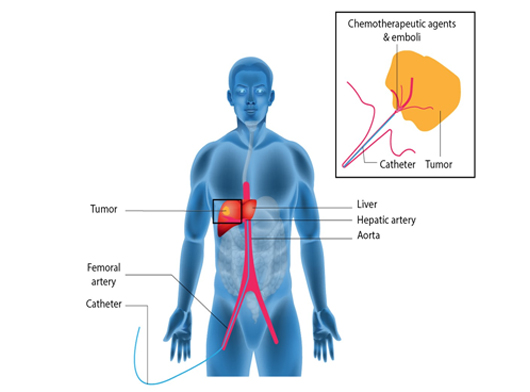
When people hear names like TACE or SIRT for the first time, they often imagine something very complicated. In reality, these are targeted procedures that aim to treat the tumor from the inside without large surgery. They’re used for both primary liver cancer and metastases, and the idea behind all of them is similar: deliver treatment directly to the growth while keeping the rest of the liver as safe as possible.
TACE is one of the most common options. During this procedure, doctors guide a thin catheter into the artery that feeds the tumor and deliver medication straight into it. Because the drug goes directly to the cancer tissue, the rest of the body gets much less of it. The recovery is usually quick. Most patients are up and walking the next day. In large German centers, TACE achieves tumor control in around 60–70% of cases, which is one of the reasons it remains a standard option for many patients.
SIRT, sometimes called Y‑90 radioembolization, works differently. Instead of medication, tiny radioactive particles are sent into the tumor’s blood supply. They stay inside and slowly emit radiation. It’s often used when the problem area is difficult to reach or when other treatments haven’t worked well enough.
There are also ablation methods like RFA (radiofrequency ablation) and MWA (microwave ablation). These treatments use heat to directly destroy the growth. They’re usually chosen when the tumor is small, or when ablation is safe.
Doctors in Germany often combine these methods with systemic treatments. The goal is simple: choose the option that fits your situation, not the other way around. And because these procedures are done daily in specialized centers, patients usually get a clear explanation of what to expect and why a particular method is recommended.
How Doctors in Germany Decide Which Treatment Fits Your Situation
Many patients notice that doctors in Germany don’t rush into a single solution. Before suggesting TACE, SIRT, ablation, or anything else, they take a step back and look at the whole picture. They review your scans and medical history, and then discuss what has already been tried.
Most decisions are made jointly by several specialists, usually an interventional radiologist, an oncologist, and, sometimes, a liver surgeon. You don’t always see this meeting, but it happens in the background. The idea is to ensure the plan makes sense from multiple angles, not just one.
You get a clear explanation of why a certain option is recommended and what the realistic goals are. And if several liver metastasis treatment options could work, doctors usually explain them in plain language so you can choose what feels right for you.
The whole process is meant to be transparent and predictable, especially for people coming from abroad who don’t want surprises during treatment.
Where Liver Cancer Treatment Usually Takes Place in Germany
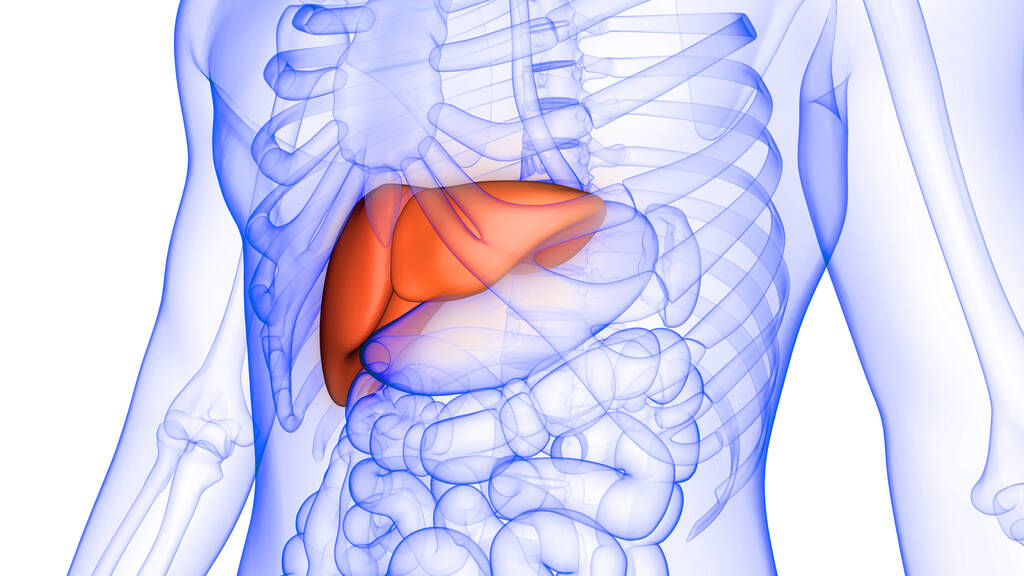
| Aspect | Details |
|---|
| Centralized Treatment | In Germany, most liver cancer treatment steps take place in the same hospital, including scans, blood tests, consultations, and procedures. |
| Convenience for Patients | Patients do not need to travel between different clinics, making the process easier—especially for international patients unfamiliar with the system. |
| Hospital Structure | Large medical centers, particularly university hospitals, are designed to provide all services under one roof. |
| Specialized Departments | Hospitals include dedicated interventional radiology departments that perform procedures like TACE, SIRT, ablation, and other minimally invasive treatments daily. |
| High Procedure Volume | Major university centers in Germany perform a high number of procedures, with over 1,100 SIRT treatments annually. |
| Faster Decision-Making | Teams working within the same hospital enable quicker decisions and reduce waiting times between appointments. |
| Reduced Patient Stress | Having all services in one place helps minimize stress and simplifies the treatment journey. |
| Popular Treatment Cities | International patients often choose centers in Frankfurt, Heidelberg, Munich, or Hamburg due to expertise and advanced facilities. |
| Key Advantage | The most important benefit is not the city, but having diagnostics, treatment, and follow-up organized in one location. |
Doctors Who Specialize in Minimally Invasive Liver Cancer Treatment
For many patients, the doctor they meet matters just as much as the treatment itself. Minimally invasive liver procedures require a steady hand and a lot of experience, so people often look for specialists who do this work every day. In Germany, most of these doctors are interventional radiologists, who perform TACE, SIRT, ablation, and similar procedures using tiny catheters or needles rather than open surgery.
The main thing to look for is not a famous name, but a doctor who regularly performs the exact procedure you need.
Someone who can explain your liver cancer treatment options in simple language and tell you honestly what each method can and cannot do.
Several large university hospitals have teams with this kind of experience. One of the names patients often come across is Prof. Dr. Thomas J. Vogl. He has been using these methods for many years and is known for treating a wide range of liver tumors and metastases. Many international patients say they appreciate his clear explanations and the way he walks them through the plan step by step.
When you find a doctor like him, the whole situation becomes easier to follow and a lot less stressful.
How to Choose a Clinic Abroad Without Getting Lost in the Process
When you start looking for treatment abroad, the amount of information can feel overwhelming. Different hospitals, different opinions, different prices, it’s easy to get confused. In such a situation, several practical guidelines can help:
- Experience with your exact procedure: TACE, SIRT, ablation, or another minimally invasive method.
- Everything under one roof: Diagnostics, consultations, and treatment in the same hospital.
- Clear communication: Doctors who explain things simply and answer questions directly.
- Predictable scheduling: No long waiting times or running between different centers.
- A doctor with real experience in cases like yours: Not just a famous name, but someone who performs procedures regularly.
- Support for international patients: A team that handles appointments, paperwork, and translations.
Keeping these points in mind helps you understand whether a clinic truly fits your situation. And healthcare platforms like Airomedical, where you can browse and compare clinics, book procedures, and see what each center actually offers, make this process much easier and far less stressful.
FAQ
Where can I find trusted hospitals for liver cancer treatment abroad?
Large university hospitals are usually the safest choice. They have coordinated teams, modern equipment, and experience with minimally invasive liver treatments, all in one place. Online healthcare services like Airomedical make it easier to look through options and compare centers before choosing one.
How to find a trusted clinic abroad?
Look at a few practical things: experience with your procedure, clear communication, predictable scheduling, and a doctor who regularly treats cases like yours. Healthcare portals like Airomedical let you quickly compare clinics and find the right center.
Where to get liver cancer treatment in Germany?
Most patients are treated at major university centers in Frankfurt, Heidelberg, Munich, or Hamburg, all with strong interventional radiology departments. These hospitals perform TACE, SIRT, and ablation every day and work in a coordinated way.
What are the best liver cancer doctors in Germany?
There is no single “best” doctor. The right specialist is someone who often performs the procedure you need. Many patients turn to Prof. Dr. Thomas J. Vogl because he has been working with TACE, SIRT, and ablation for many years.
References
- Llovet J. M., et al. Hepatocellular carcinoma. Nature Reviews Disease Primers, 2022.
- Mudr. Popel A. & Dr. Ahmed F. Liver Metastases: Stage 4 Secondary Liver Cancer Treatment in Germany. Airomedical, 2026.
- Golfieri R., et al. Transarterial Chemoembolization for Hepatocellular Carcinoma: A Review of Techniques and Outcomes. Journal of Hepatology, 2022.
- Volvak N. & Dr. Ahmed F. Transarterial Chemoperfusion for Liver Cancer Treatment. Airomedical, 2023.
- Destatis – German Federal Statistical Office. Hospital Procedure Statistics: Liver‑Directed Therapies in University Hospitals, 2019–2021.
- Volvak N. & Dr. Ahmed F. Ablation Therapy for Liver Cancer. Airomedical, 2023.
- Salem R., et al. Yttrium-90 Radioembolization for Hepatocellular Carcinoma: Updated Evidence and Clinical Practice. Journal of Vascular and Interventional Radiology, 2021.

Thể thao là mảng thế mạnh của 66B với hàng nghìn giải đấu lớn nhỏ mỗi năm. Người chơi có thể đặt cược bóng đá, bóng rổ, tennis hay eSports với tỷ lệ kèo cạnh tranh và cập nhật liên tục theo thời gian thực. TONY04-15