

Blog
Anxiety and Chills Without Fever: Ways to Respond Safely

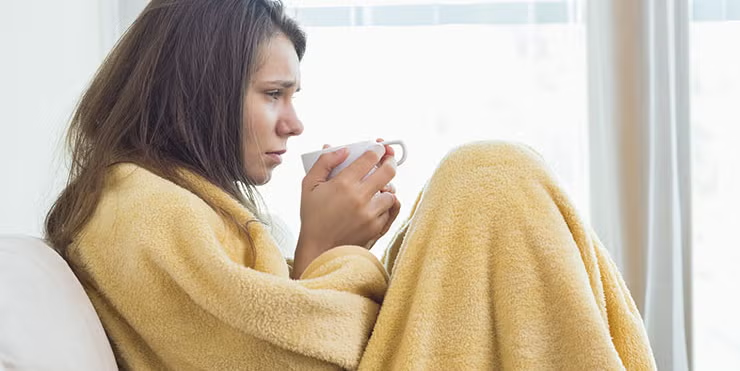
Feeling suddenly cold, shaky, or covered in goosebumps can be unsettling, especially when you check your temperature and there is no fever. For many adults, that moment brings a fast rush of questions: Is this stress, or is something else going on?
In some cases, asking “can anxiety cause chills without fever?” is completely valid. Anxiety can affect the body in real physical ways, including changes in breathing, muscle tension, circulation, and the nervous system’s stress response. At the same time, chills without fever can also happen with medical conditions, medication effects, low blood sugar, or early infection, so it is important not to assume anxiety is the only explanation.
Why anxiety can make the body feel cold or shaky
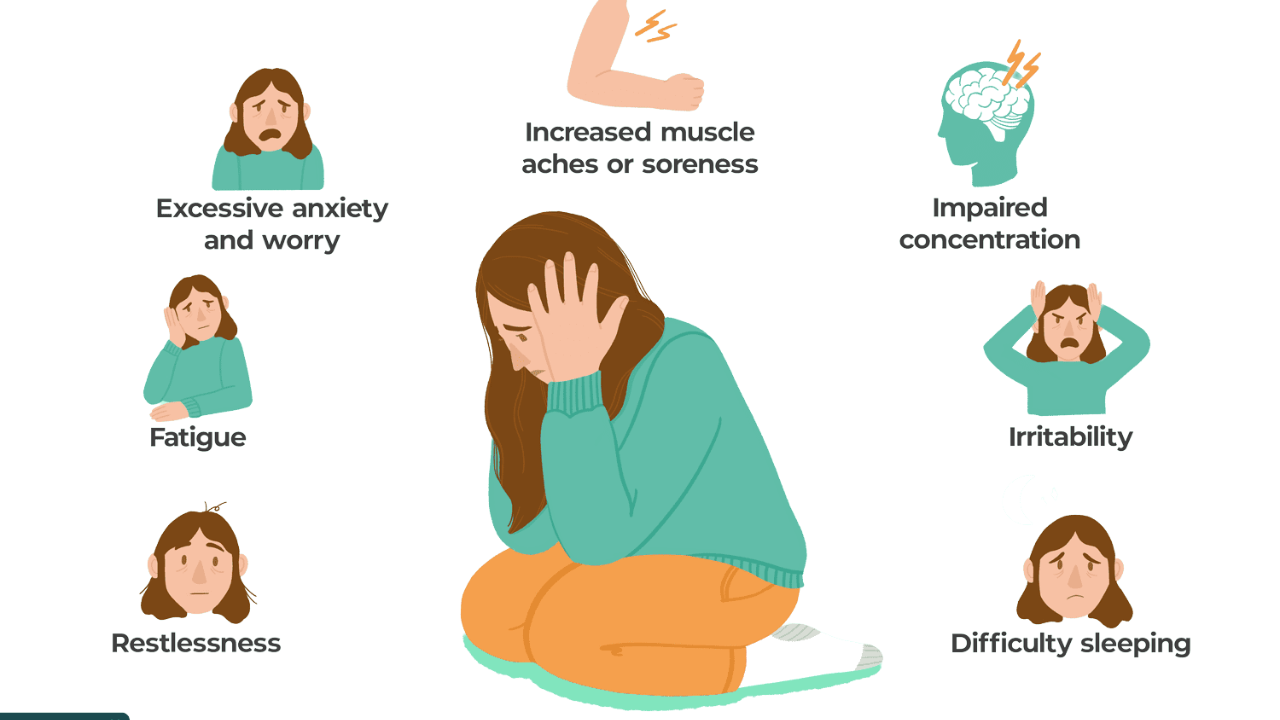
Anxiety is not just a thought pattern. It also activates the body’s stress system. When that happens, the nervous system may shift into a fight-or-flight response, which can change how blood moves through the body, tighten muscles, and affect breathing.
That combination may leave some people feeling cold, trembling, or suddenly chilled even without a fever. A person may notice:
- goosebumps
- shivering or trembling
- cold hands or feet
- a wave of chills during panic or high stress
- chest tightness, dizziness, or fast breathing happening at the same time
Sometimes the feeling comes on quickly and fades once the body settles. Other times it can linger, especially when anxiety has been building in the background for hours or days.
What may be happening in the body
A useful way to think about this is that chills are a sensation, not a diagnosis. The body can create that sensation through more than one pathway.
With anxiety, a few things may play a role:
- Adrenaline release: Adrenaline is a stress hormone that prepares the body to react. It can cause shaking, muscle tension, and a sudden “cold rush” feeling.
- Changes in breathing: Fast or shallow breathing can shift carbon dioxide levels in the blood. That may lead to tingling, lightheadedness, and a chilled or shaky sensation.
- Muscle tension and release: Tight muscles may start to tremble, especially during or after a surge of stress.
- Blood flow changes: During stress, blood may be redirected away from the skin and toward major muscle groups. That can make hands, feet, or the whole body feel cooler.
These responses are real. They are not “just in your head.” Still, they are not specific to anxiety alone, which is why the full picture matters.
When chills without fever may point to something else
Chills can happen without a fever for reasons that have nothing to do with anxiety. Infections sometimes begin before a fever appears. Certain medications, blood sugar changes, thyroid problems, dehydration, anemia, and hormone shifts can also affect body temperature and cause shaking or chills.
Medical evaluation matters more when chills keep happening, feel intense, or come with other symptoms such as:
- cough, sore throat, vomiting, or diarrhea
- weakness that feels unusual for you
- new rash
- pain with urination
- fainting or nearly fainting
- confusion
- chest pain
- shortness of breath that does not ease when you calm down
What matters most here is pattern. A brief episode during a clearly anxious moment may fit a stress response. Recurrent, unexplained, or worsening symptoms deserve medical attention.
Clues that anxiety may be part of the picture
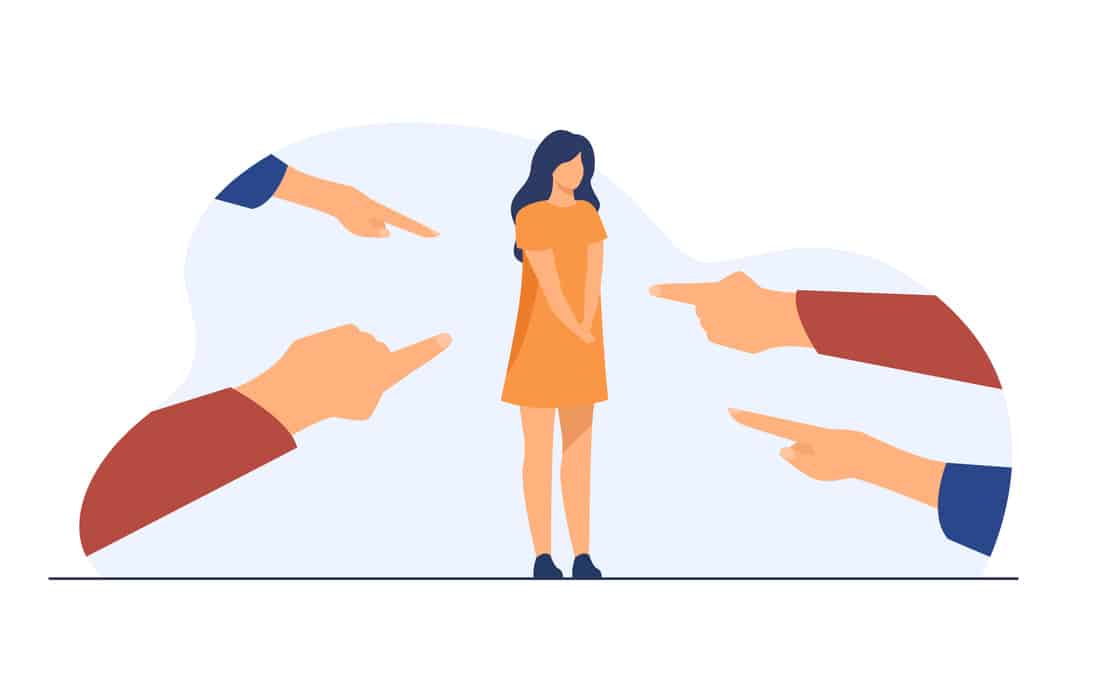
Sometimes the context gives helpful information. Chills related to anxiety are more likely to show up around periods of intense worry, panic, overstimulation, conflict, poor sleep, or prolonged stress.
You might also notice that the chills happen alongside symptoms such as:
- racing thoughts
- a pounding heart
- sweating
- nausea
- feeling unreal or detached
- restlessness
- trouble catching a satisfying breath
They may improve when your breathing slows, your body relaxes, or the stressful situation passes. That does not confirm anxiety on its own, but it can help a clinician understand the pattern.
Ways to respond safely in the moment
When chills seem to be happening during anxiety, the first goal is not to force the feeling away. It is to help the body settle without ignoring warning signs.
A steady way to approach this is:
- Check your temperature if you can, especially if you feel ill.
- Move to a calm place and sit down.
- Loosen your jaw and shoulders to reduce body tension.
- Slow your breathing gently. Try inhaling through your nose and making your exhale a little longer than your inhale.
- Use warmth without overheating, like a light blanket or warm socks.
- Have a small snack or water if you have not eaten or hydrated in a while.
The key point is to respond with observation, not panic. Pay attention to what else is happening in your body and whether the sensation passes as your stress level comes down.
When to make a medical appointment
Even when anxiety seems possible, repeated chills without fever are worth bringing up with a healthcare professional if they keep returning or do not make sense to you. That is especially true when the symptom is new, your overall health has changed, or you have a condition that affects immunity, hormones, or blood sugar.
To keep this grounded, it may help to jot down:
- when the chills happen
- how long they last
- whether you had stress, panic, poor sleep, missed meals, or caffeine beforehand
- any other symptoms that came with them
- any medicines or recent changes in treatment
That kind of simple tracking can make the conversation more useful and may help rule in or rule out anxiety as part of the cause.
Can treatment for anxiety help?
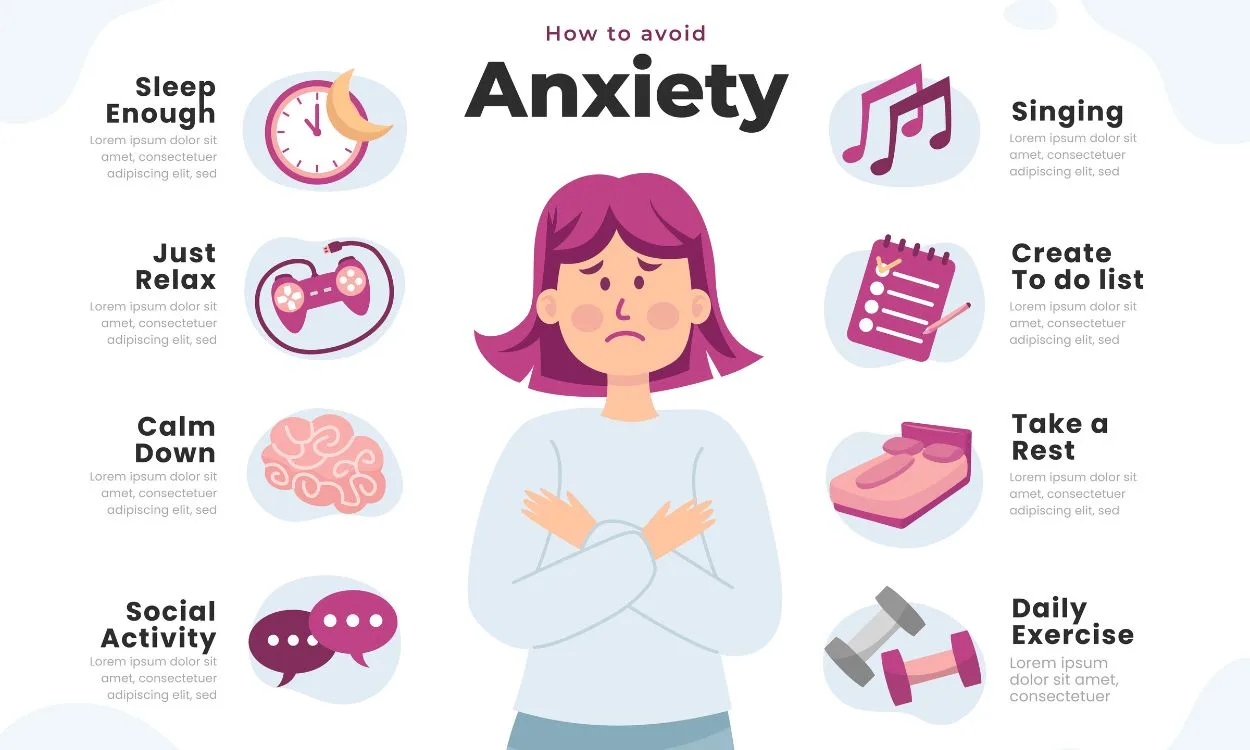
When chills are linked to anxiety, treating the anxiety itself may reduce how often they happen. That can include therapy, stress-management skills, better sleep support, medication in some cases, or a combination of approaches.
There is no instant fix, and it is not always possible to separate anxiety from physical health right away. But many people find that once the nervous system is less activated overall, the body becomes more predictable and less reactive.
A clinician may also look for overlap. Anxiety and medical issues can exist at the same time. That is one reason a careful assessment matters more than guessing.
A grounded way to look at it
Yes, anxiety can create chills without a fever in some people. The body’s stress response can be powerful, and cold or shaky sensations can be part of it. But chills are not specific to anxiety, so it is wise to stay curious rather than assume.
If this has happened once during a clearly stressful moment, it may help to notice whether it settles as your body calms down. When it keeps happening, feels out of proportion, or comes with other symptoms, a medical check-in is the safer next step. Reassurance is important, but so is not overlooking something treatable.
Safety Disclaimer
If you or someone you love is in crisis, call 911 or go to the nearest emergency room. You can also call or text 988, or chat via 988lifeline.org to reach the Suicide & Crisis Lifeline. Support is free, confidential, and available 24/7.
Author Bio
Earl Wagner is a health content strategist focused on behavioural systems, clinical communication, and data-informed healthcare education.
Sources
- Chu, B., Marwaha, K., Sanvictores, T., Awosika, A. O., & Ayers, D. (2024). Physiology, Stress Reaction. StatPearls. National Library of Medicine. https://www.ncbi.nlm.nih.gov/books/NBK541120/
- Meuret, A. E., & Ritz, T. (2010). Hyperventilation in Panic Disorder and Asthma: Empirical Evidence and Clinical Strategies. International Journal of Psychophysiology, 78(1), 68–79. https://doi.org/10.1016/j.ijpsycho.2010.05.006
- Cleveland Clinic. (2023). Anxiety Disorders: Symptoms.
https://my.clevelandclinic.org/health/diseases/9536-anxiety-disorders