

Blog
Why Some Injuries Keep Returning Even After Recovery

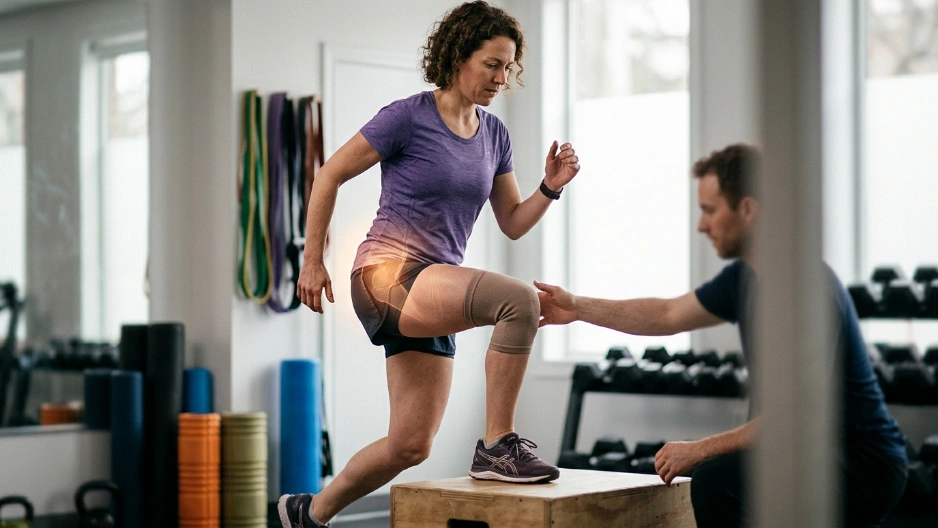
You finally feel better. The pain that forced you to stop running, lifting, or even sitting comfortably has disappeared. For a while, everything feels normal again. Then weeks or months later, the same ache quietly returns. Recurring injuries are one of the most frustrating experiences for active people and everyday workers alike. Whether it’s a sore shoulder, a stubborn knee problem, or lower back pain that keeps coming back, the cycle can feel endless.
The truth is that recurring injuries rarely happen by accident. In many cases, the original problem was never fully resolved. Proper rehabilitation and guidance from professionals such as those offering Physio Darlinghurst services can help address the deeper causes rather than just the symptoms.
The Injury Was Treated, Not the Cause
One of the most common reasons injuries come back is that only the symptoms were treated.
Pain relief methods like rest, ice, anti-inflammatory medication, or massage can reduce discomfort temporarily. However, these approaches do not always address the underlying issue that caused the injury in the first place.
For example
- A runner with knee pain may have weak hip stabilisers.
- A worker with back pain may have poor lifting mechanics.
- A tennis player with shoulder pain may have limited mobility in the upper back.
Weak Supporting Muscles

Injuries rarely involve just one structure. Muscles, joints, tendons, and ligaments work together as a system.
When one part of the system becomes weak, other areas are forced to compensate. Over time, this compensation creates overload in tissues that are not designed to handle that stress.
Common examples include
- Weak glutes contributing to knee or lower back pain
- Poor core stability affecting spinal health
- Shoulder injuries caused by weak upper-back muscles
Returning to Activity Too Quickly
Another major factor is rushing back to activity before the body is truly ready. Pain often disappears before tissues have fully healed. This creates a dangerous illusion that recovery is complete.
For example
- Tendons can take several months to rebuild strength.
- Ligaments heal more slowly than muscles.
- Certain overuse injuries require gradual load progression.
Poor Movement Habits
Daily movement patterns play a huge role in injury recurrence.
Small habits repeated hundreds of times each day can gradually place stress on joints and soft tissues.
Some common problematic patterns include:
- Slouching while sitting at a desk
- Repeatedly lifting objects with a rounded back
- Running with poor stride mechanics
- Training with incorrect exercise form
Limited Mobility
Stiff joints can also contribute to recurring injuries. When a joint lacks mobility, the body finds ways to compensate by moving elsewhere. These compensations often place excess load on nearby tissues.
For example
- Limited ankle mobility can increase stress on the knee.
- Stiff hips can overload the lower back.
- Restricted upper-back movement can strain the shoulders and neck.
Incomplete Rehabilitation
Many people stop rehabilitation as soon as the pain disappears. Unfortunately, this is often only the halfway point of recovery.
Effective rehab usually progresses through several stages
- Pain reduction
- Mobility restoration
- Strength rebuilding
- Movement retraining
- Gradual return to activity
Lifestyle Factors That Slow Recovery
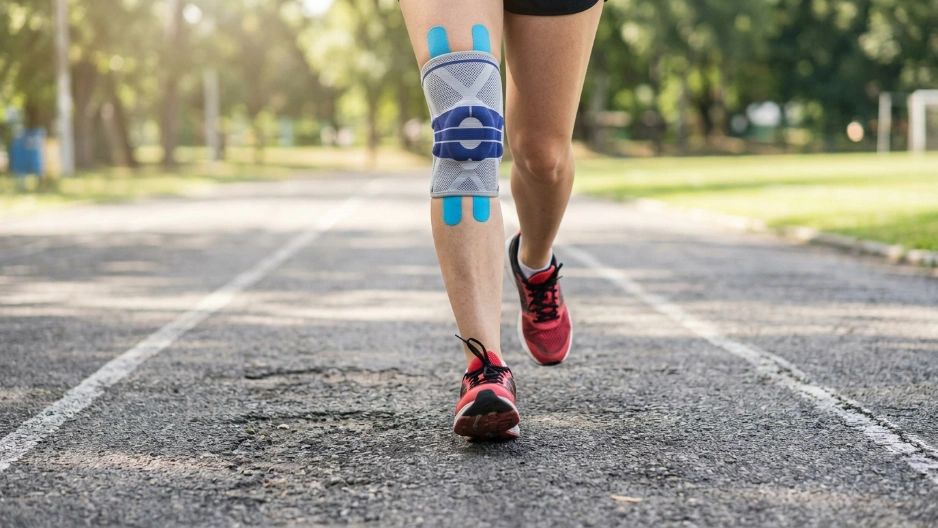
Sometimes recurring injuries are influenced by factors outside of exercise or movement.
The body’s ability to recover depends heavily on overall health habits.
Key contributors include
- Sleep quality: Tissue repair happens during deep sleep cycles.
- Nutrition: Protein, vitamins, and minerals support healing.
- Stress levels: Chronic stress can increase muscle tension and slow recovery.
- Workload balance: Repeated physical strain without adequate rest increases injury risk.
How to Break the Cycle of Recurring Injuries
The good news is that most recurring injuries can be prevented once the underlying issues are identified.
A few practical strategies can make a major difference
Focus on long-term rehabilitation
Do not stop exercises once the pain disappears. Continue building strength and stability.
Address movement patterns
Improving technique in sport, exercise, and daily tasks reduces unnecessary strain.
Progress activity gradually
Increase intensity or volume slowly so tissues can adapt.
Maintain mobility and flexibility
Regular stretching and mobility work help keep joints moving well.
Listen to early warning signs
Mild discomfort or stiffness often appears before a full injury develops.
Building a Stronger, More Resilient Body
Recurring injuries are not simply bad luck. They are usually signals that something deeper needs attention. When the root cause is identified and addressed, the body can become stronger and more resilient than before the injury occurred.
By focusing on movement quality, balanced strength, proper recovery, and gradual progression, many people find they can return to their favourite activities without repeating the same painful cycle.
Hiện nay, nền tảng đã phục vụ hàng triệu người đến từ nhiều quốc gia, trong đó có Việt Nam. mã nhận thưởng 888slot Sự phát triển này không chỉ chứng tỏ uy tín của nhà cái mà còn khẳng định vị thế vững chắc của sân chơi trong ngành công nghiệp cá cược. TONY04-14H