

Blog
Cacao Powder Nutrition Facts and Antioxidant Benefits for Whole Food Living


There has been a clear shift toward whole-food nutrition. As more people move away from heavily processed products, interest in the nutritional facts of cacao powder has increased. Unlike very sweet chocolate products that contain added sugars and fillers, cacao powder is minimally processed and retains much of its natural mineral and antioxidant content.
Cacao powder fits naturally into balanced eating habits.
It offers flavor, nutrient density, and flexibility in daily recipes without unnecessary additives.
For individuals focused on long-term dietary balance, cacao represents a practical and sustainable ingredient.
Mineral and Antioxidant Content in Cacao Powder
One of the key elements behind cacao powder’s health appeal is its antioxidant concentration. Cacao beans are rich in flavonoids, plant compounds that support cellular balance. Antioxidants help the body respond to oxidative stress that may result from environmental exposure and normal metabolic processes.
Cacao powder is also a source of magnesium. Magnesium plays a role in muscle contraction, nerve communication, and energy production.
Many people do not meet recommended magnesium intake levels through diet alone,
Which makes magnesium-rich foods valuable additions to everyday meals.
Iron is another important mineral found in cacao. Iron supports oxygen transport in the blood and contributes to overall energy balance.
When cacao is paired with vitamin C–rich fruits in smoothies, iron absorption may be supported more effectively.
Cacao also contains theobromine, a naturally occurring compound that promotes mild alertness. Unlike highly caffeinated beverages that can cause sharp energy spikes, cacao-based drinks tend to provide steadier focus. Because cacao delivers a deep chocolate flavor without added sugar, it can help reduce reliance on refined sweeteners.
For individuals building balanced meals that combine plant antioxidants with protein support, some choose to blend cacao smoothies with collagen peptides powder and simply shop here when sourcing quality options. This approach allows phytonutrients and amino acids to exist within one convenient preparation.
Practical Ways to Use Cacao Powder for Daily Health Benefits
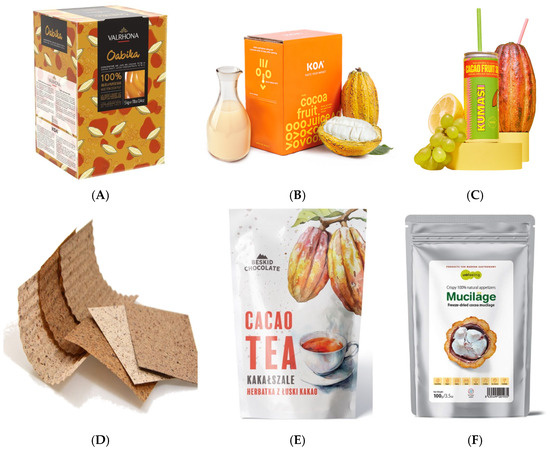
Understanding cacao powder benefits is important, but applying them consistently matters more. Fortunately, cacao powder is flexible and easy to incorporate into daily recipes.
A smoothie made with banana, almond butter, spinach, and a milk alternative becomes more nutrient-dense with the addition of one teaspoon of cacao powder. The natural bitterness of cacao complements fruit sweetness and helps keep overall sugar content moderate.
Cacao powder can also be stirred into warm oatmeal or mixed into yogurt bowls for added flavor and antioxidant value. Because it is unsweetened, sweetness can be adjusted naturally with dates or berries.
Cacao powder can replace processed cocoa in whole-grain pancake or muffin recipes. This maintains chocolate flavor while supporting ingredient transparency and nutrient retention. Choosing minimally processed cacao over sugar-heavy alternatives aligns with long-term dietary balance.
Hydration is equally important. Antioxidant-rich foods function best within a diet supported by adequate water intake, which aids digestion and nutrient transport. Cacao-based meals work most effectively when paired with healthy fats, diverse protein sources, fruits, and vegetables.
Cacao powder is not a standalone solution, but it is a strong addition to a well-rounded eating pattern. When used consistently and thoughtfully, it supports flavor satisfaction, micronutrient diversity, and steady energy, contributing to sustainable wellness habits over time.