

Blog
Why Movement Matters More Than Screen Time

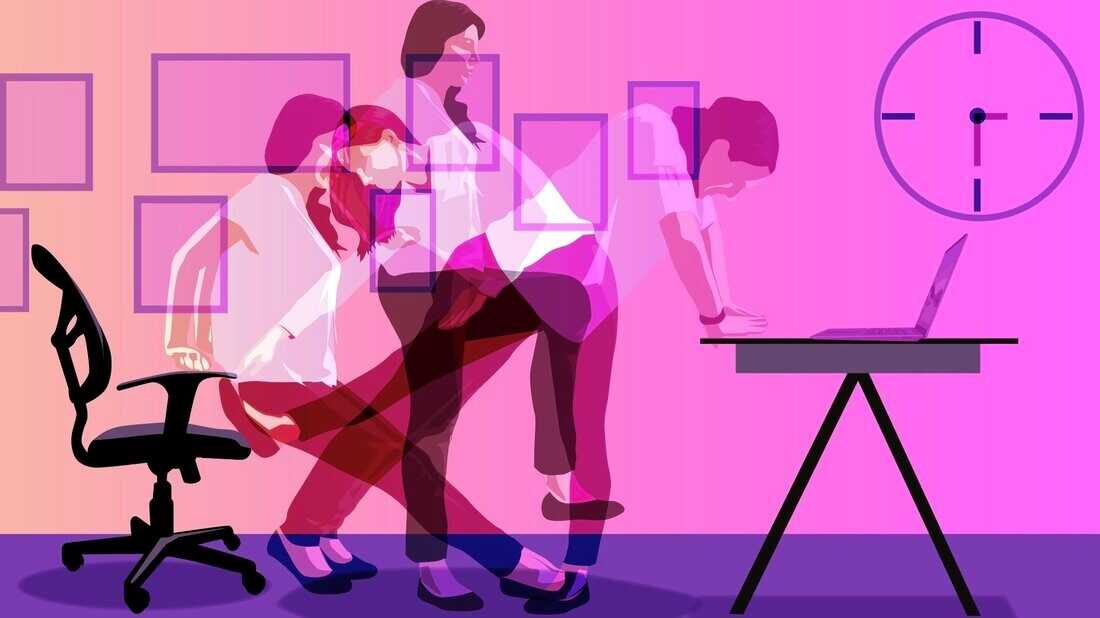
It is easy to underestimate how much time screens take up in everyday life. Phones, tablets, laptops and TVs quietly fill spare moments, often without anyone really noticing. For children and adults alike, long periods of sitting have become normal even expected. But while screens offer convenience and entertainment, they can not replace what regular movement provides.
Movement supports physical development in ways screens can’t
The human body is designed to move. Muscles, joints and bones rely on regular activity to stay strong and coordinated. When movement is limited, even for short periods each day, the effects add up over time.
Regular movement helps with:
- Balance and coordination
- Muscle strength and joint stability
- Bone density and posture
- Cardiovascular health
Screen time quietly crowds out active habits
One of the biggest challenges with screens is not what they do, but what they replace. Time spent scrolling or watching is often time that could have been spent moving, exploring, or playing.
When screens dominate free time:
- Physical play becomes optional rather than routine
- Energy levels drop over the day
- Motivation to move decreases
- Habits become harder to change
Movement improves focus and emotional regulation
Movement is not just physical it has a strong connection to mental and emotional wellbeing. Short bursts of activity can improve concentration, mood and stress management.
Research and everyday experience both show that movement can:
- Improve attention and learning
- Reduce restlessness and frustration
- Support better sleep patterns
- Help regulate emotions
Active play builds confidence, not just fitness
Movement based activities often involve trial and error jumping, climbing, balancing and falling safely. These experiences build resilience and confidence in a way that passive entertainment does not.
Active play encourages:
- Problem-solving and adaptability
- Social interaction and cooperation
- Risk awareness and self trust
- A sense of achievement
Spaces designed for active play, such as a trampoline park Melbourne families visit for high-energy fun, offer an environment where movement feels exciting rather than forced. When movement is enjoyable, people are far more likely to keep doing it.
Why variety matters as much as movement itself
Not all movement needs to look the same. In fact, variety is one of the most important elements. Different activities challenge the body in different ways and help prevent boredom.
A healthy mix might include:
- Free play and unstructured movement
- Organised sports or classes
- Short bursts of high energy activity
- Gentle movement like walking or stretching
Small changes make a big difference
Encouraging more movement doesn’t require a complete lifestyle overhaul. Often, small adjustments are enough to create lasting habits.
Simple ideas include:
- Setting screen-free times during the day
- Encouraging active breaks between tasks
- Choosing movement-based outings
- Making physical play easy and accessible
Screens aren’t the enemy imbalance is
It’s unrealistic to remove screens entirely, and that’s not the goal. Technology plays an important role in learning, connection, and relaxation. The issue arises when screens dominate at the expense of movement.
A balanced approach recognises that:
- Screens should support life, not replace activity
- Movement is essential for long-term wellbeing
- Habits formed early often last into adulthood
Choosing movement for the long term
Movement builds strength, confidence, focus and resilience over time. Screens, while useful, do not offer those same long term benefits. By making space for regular physical activity especially enjoyable, social forms of movement families and individuals can support healthier habits without constant restriction.