A healthy environment promotes a healthy population. While California is generally a healthy place to live, certain environmental diseases, such as mesothelioma, remain prevalent in the state. The local regulations for healthy living in California help shape a pattern of healthy practices that residents and businesses should adhere to for overall well-being.
If you’re moving to California, you may want to know some tips for maintaining a healthy life, free from prevalent environmental diseases. Below, we’ll look at the top four health tips you can consider to prevent common environmental diseases in California and enjoy a healthy life void of constant worry.
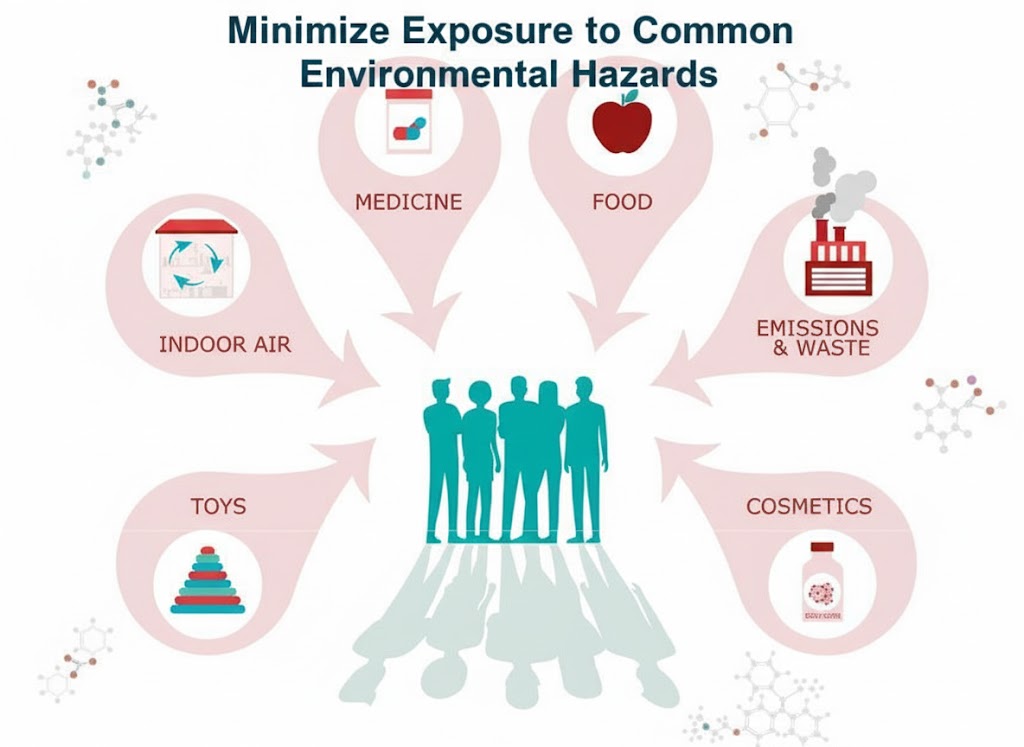
Minimize Exposure to Common Environmental Hazards
Minimize Exposure to Common Environmental Hazards
California is exposed to a wide range of environmental hazards, but the most common ones include lead, asbestos, bacteria, mold, and contaminants in drinking water. These substances or conditions in the environment can have the potential to harm human health, the environment, or even property.
Lead is commonly found in older homes, especially those built before the 1970s, when the lead-based paints were banned. Children are more at risk of severe health issues when exposed to lead than adults. You should check with the homeowner to see if their house was built after the lead ban in 1978, to ensure you’re choosing a safer rental unit.
Another common element in older homes is asbestos, which is responsible for mesothelioma cancer, a common disease in California. The state of California has a long history with asbestos, which was commonly used in industries like construction, shipbuilding, and manufacturing. Continued exposure to asbestos leads to health complications like asbestosis and mesothelioma cancer.
You can stay safe by avoiding areas near former asbestos manufacturing industries and older homes with asbestos roofs. Individuals affected by mesothelioma can rely on reputable California mesothelioma treatment for an effective recovery journey. Other contaminants, such as bacteria and mold, can be controlled using the right air humidifiers, purifiers, or HVAC units.
Use Natural Pest Control Methods
Harmful pesticides are a leading cause of disease and environmental imbalance in California’s farming regions. If you’re considering gardening in your backyard, using natural pest control methods can be much cheaper and safer than using pesticides. Pesticides can lead to water and food contamination, loss of biodiversity, and an increased risk of cancer and neurological disorders.
Instead of pesticides, consider natural pest control methods, such as biological control, mineral-based methods, and cultural methods. Biological methods include introducing natural predators, such as ladybugs and predatory mites, to feed on pests like caterpillars and aphids.
Use Natural Pest Control Methods
Mineral-based approaches include practices like using neem oil to disrupt pest reproduction and feeding cycles, and kaolin clay to deter pests by creating a protective film on plants. Cultural control methods include traditional agricultural practices that remain relevant in modern agriculture, such as companion planting, crop rotation, and handpicking pests from plants.
Intentionally Care for Your Pets
Pets that are not effectively and intentionally cared for can contribute to the environmental health challenges homeowners experience in California. From pet wastes to the spread of contagious diseases through pets, there are multiple health risks in not taking good care of your pets.
Many pet parents assume that pet waste is a natural fertilizer and can be left to decompose in the environment. However, the truth is that pet waste can contain harmful bacteria, such as faecal coliform and E. coli, which can contaminate waterways when not properly managed.
Additionally, pets that are left to roam freely can transmit contagious diseases to humans through direct contact, such as scratches and bites, or contact with the animal’s bodily fluids. You can enhance your pet’s lifestyle to ensure they’re not exposed to risky environmental factors that may, in turn, cause them to put your household at risk.
Wash Your Car at a Facility
Washing your car at home can feel convenient and less costly, but it may be causing more harm to the environment and your health than you realize. Cars can contain loose metals and leaking fluids that are hazardous when they are released into drainage systems and waterways.
When you take your car to a car wash facility with advanced filtration systems, these waste particles are easily trapped to prevent contamination. Some of the most common harmful environmental impacts that you avoid when you choose a car wash facility include:
Water contamination: Washing your car at home means that the runoff, which contains heavy metals, oil, dirt, grime, and grease, may end up in nearby waterbodies via storm drains. This can lead to a widespread outbreak in waterborne diseases affecting both wildlife and humans.
Inefficient treatment: Home carwashes often lack the necessary facilities to capture and treat wastewater, resulting in contaminated runoff that can end up in nearby farms and pools.
Excessive water usage: Because you lack the right equipment, such as high-pressure hoses, you may end up wasting more water washing your car at home than you would at a car wash facility.
Living in California is easier and safer when you’re aware of the environmental hazards you may be exposed to and how to navigate around them. By observing these four health tips, you can enjoy a seamless life in California for a long time to come.
About Laura Cuevas Gaitan (Health)
Laura Cuevas Gaitan is a passionate psychology-trained life coach who blends her academic background (MA in Psychology) with practical coaching strategies to help individuals improve both their personal and professional lives.
She works with people at different stages of their journey—whether they are navigating career transitions, striving for personal development, or seeking healthier relationships.
Personal Growth & Self-Discovery
Helping clients gain clarity about who they are and what they want in life.
Encouraging positive changes in mindset and daily habits.
Supporting emotional awareness and self-confidence.